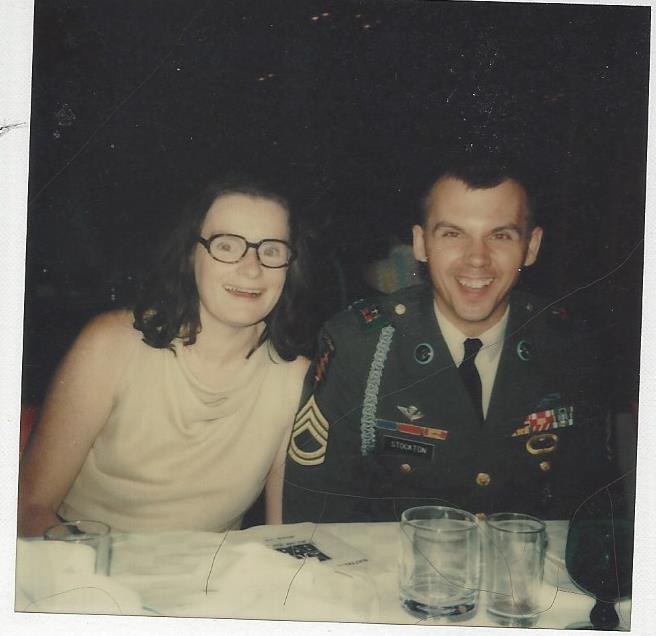

Soldiers who purposely engage the enemy in combat, those who close with the enemy to kill or capture him by fire and maneuver, get shot at, and return fire, try to overcome fear, try to accomplish an objective and keep people from getting killed, are first the infantry. The infantry enlistment MOS (Military Occupational Specialty) is 11X, then in training they become a 11B Light Weapons Infantryman or a 11C Heavy Weapons Infantryman (mortars). Then there is Armor, MOS 19K, who rides in practically indestructible tanks, the Artillery, MOS 13B, is a long way from the fighting, and Cavalry Scouts’, MOS 19D, job is not to engage, but find what the enemy is doing and report it, but there are other soldiers who travel with the infantry when the infantry goes into combat, those are the COMBAT ENGINEERS, MOS 12B.
Combat Engineers are as close to being Infantry as you can get, and not be Infantry. Combat Engineers are trained at Fort Leonard Wood, Missouri. Fort Leonard Wood is the home of the US Army Engineer Center and School, plus the Engineer Museum, which contains the Engineer Regimental Room. Infantry soldiers are trained at Fort Benning, Georgia. Both are trained in OSUT (One Station Unit Training) companies, meaning trainees stay in the same company for basic combat training (BCT) and advanced individual training (AIT). Engineer OSUT is 14 weeks long. Infantry OSUT is 22 weeks. Airborne and light infantry squads and engineer squads have identical organizations, two 4 man teams each led by a Sergeant, with a Staff Sergeant Squad Leader. The secondary mission of combat engineers is to perform as infantry, if necessary. The first eight weeks of engineer OSUT, is basic training, which is normally ten weeks, but OSUT companies don’t clean and turn in weapons and equipment, practice and have graduation, and process out. They have a simple one day completion ceremony, after the end of the Forge exercise, and then continue on with their MOS training. Infantry soldiers’ study and practice infantry tactics and weapons, whereas combat engineer soldiers’ study and practice constructing defensive positions like concertina wire, log and rock obstacles, and tank traps. Then they learn how breach those things, how to blow holes in defensive positions, buildings and doors. They learn how to build fixed and floating bridges, and how to blow them up, and if boats are used they also fall under the engineers. They spend a lot of time on explosives, how to set charges in various conditions.
The 31st Engineer Battalion at Fort Leonard Wood creates combat engineers. A couple of Bravo Company 31st facebook posts during the combat engineer phase of their training.
SIT = soldier in training
Bravo Company 31st Engineer Battalion
March 26 ·
Barbarians,
Families and Friends of Bravo Company. This past week was the first week of AIT. Your SIT constructed 3 sets of C4 explosive systems, TNT, Shape and Crater charges, and Bangalores using techniques learned throughout the week. This was their first experience with live demolitions.

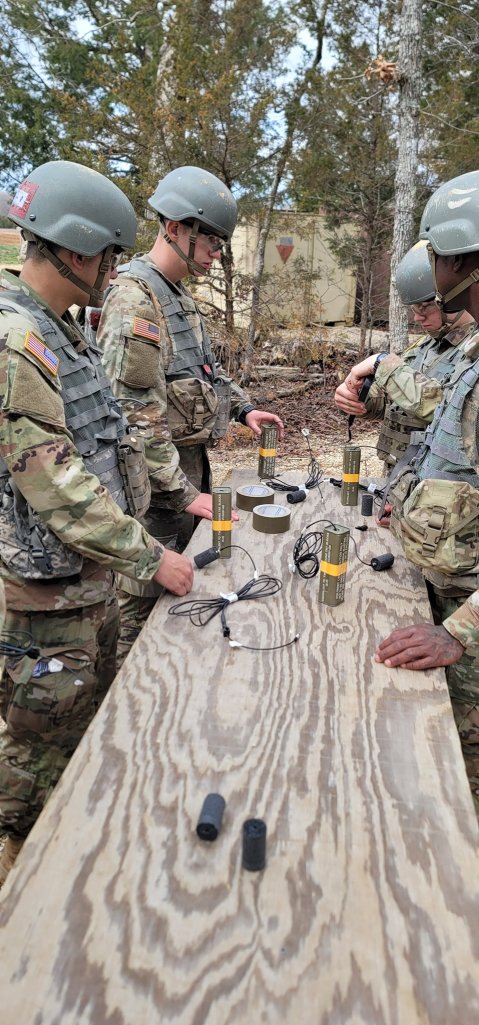
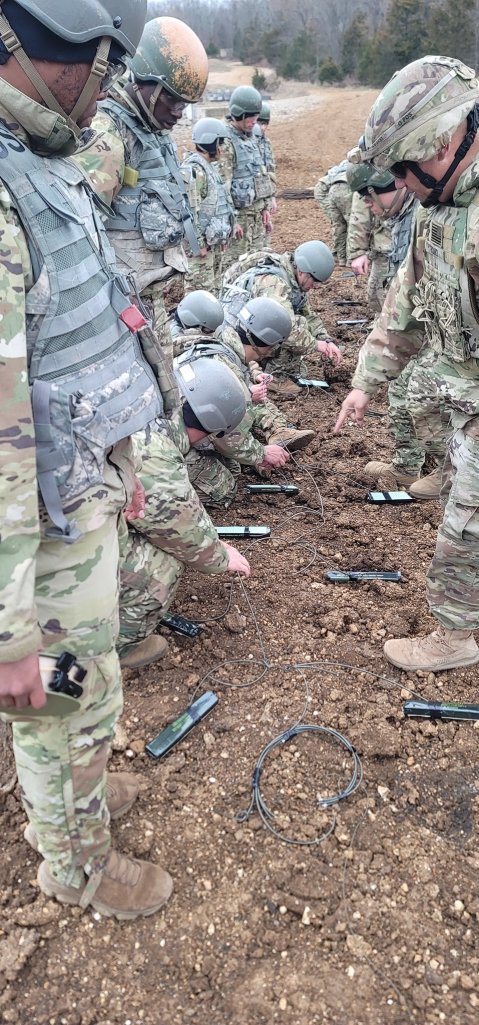
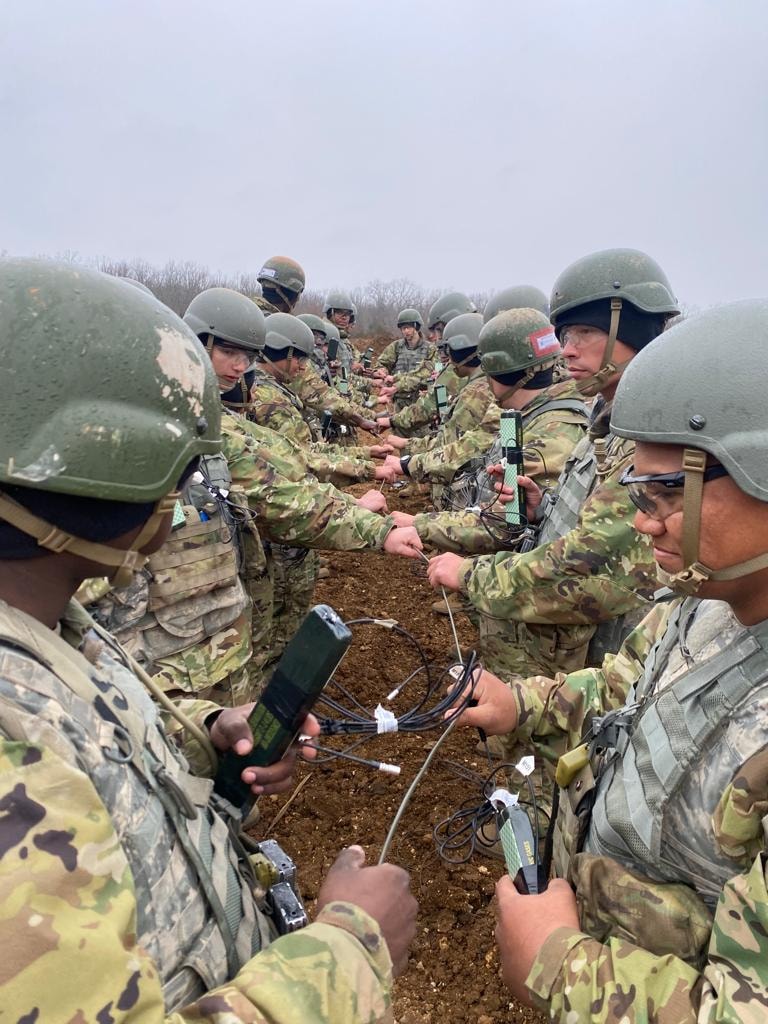
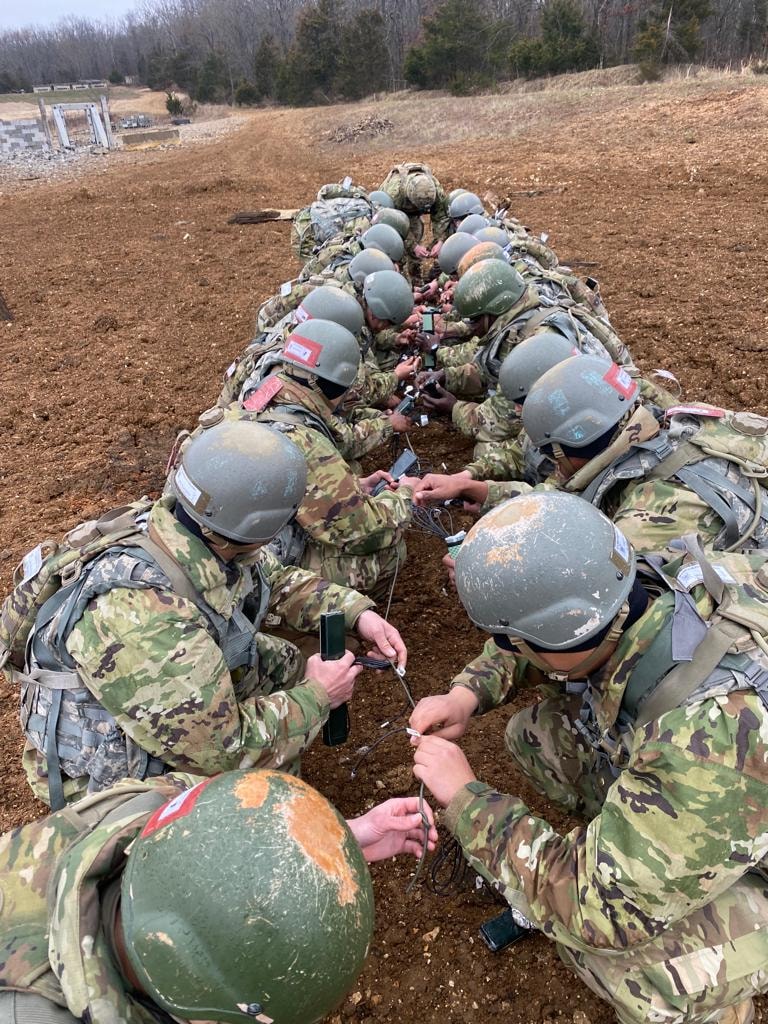

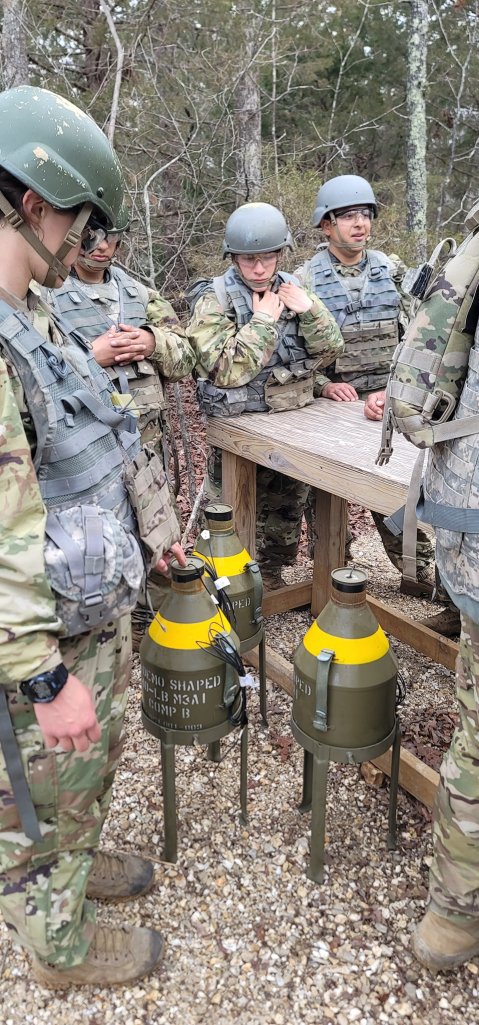

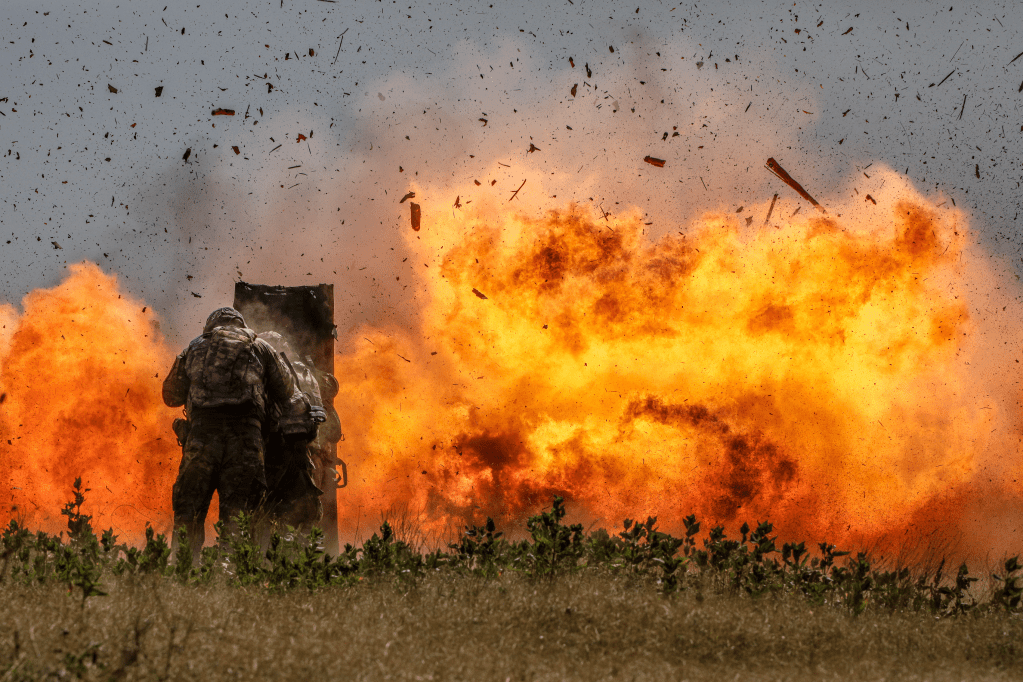
Bravo Company 31st Engineer Battalion
April 14 ·
Barbarians,
Friends and Families of Bravo Company. In the beginning of this week your SIT conducted combat construction/wire obstacles which consisted of 11 row, triple strand, buddy team guard post and tangle foot. Tanglefoot is used where concealment is essential and to prevent the enemy from crawling between fences and in front of emplacements. The wire obstacles support the counter mobility effort, denying the enemy access to terrain or avenues of approach.


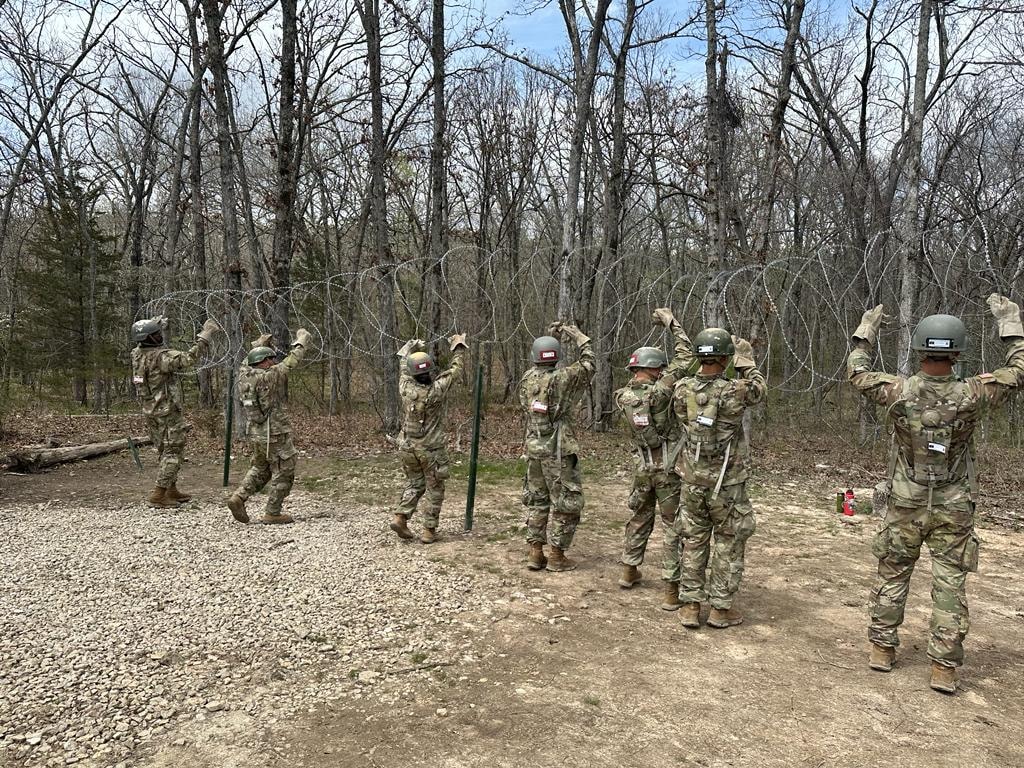

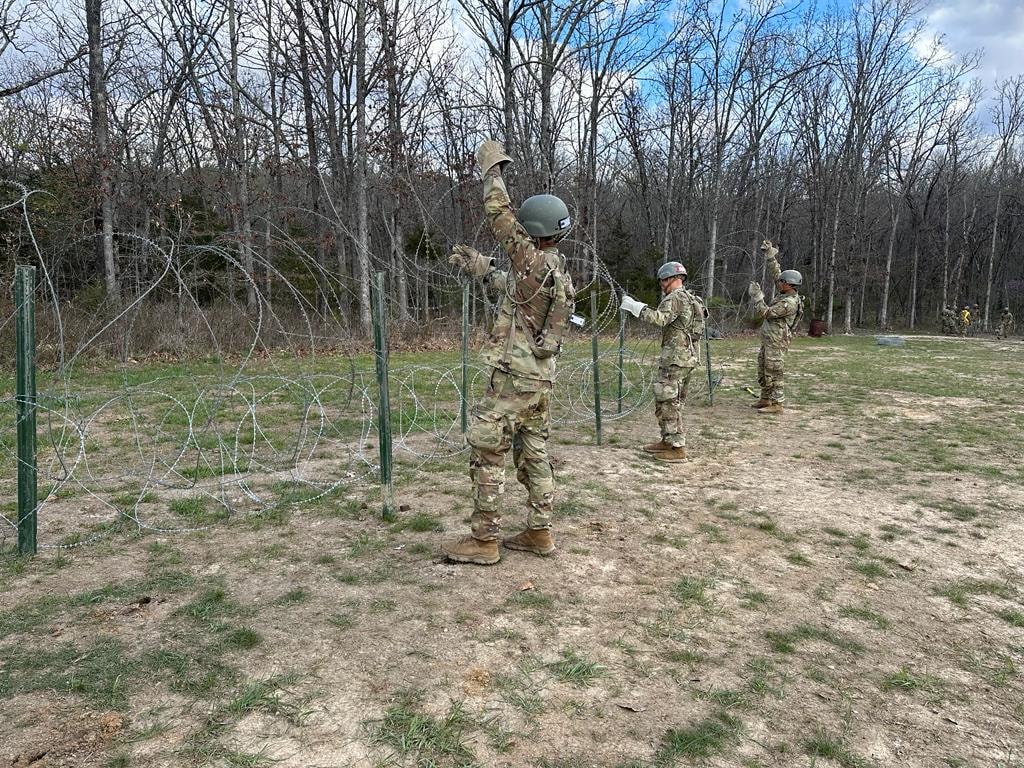


Then they breach (break through) things.
Bravo Company 31st Engineer Battalion
August 9 · This past two weeks, your SIT received instruction on thermal and mechanical breaching. Utilizing metal torches and various tools, the SIT are now able to breach complex obstacles. They also received training on the M26 breaching shotgun and ballistic breaching. The SIT fired buckshot at personnel targets and breaching slugs through simulated doors.

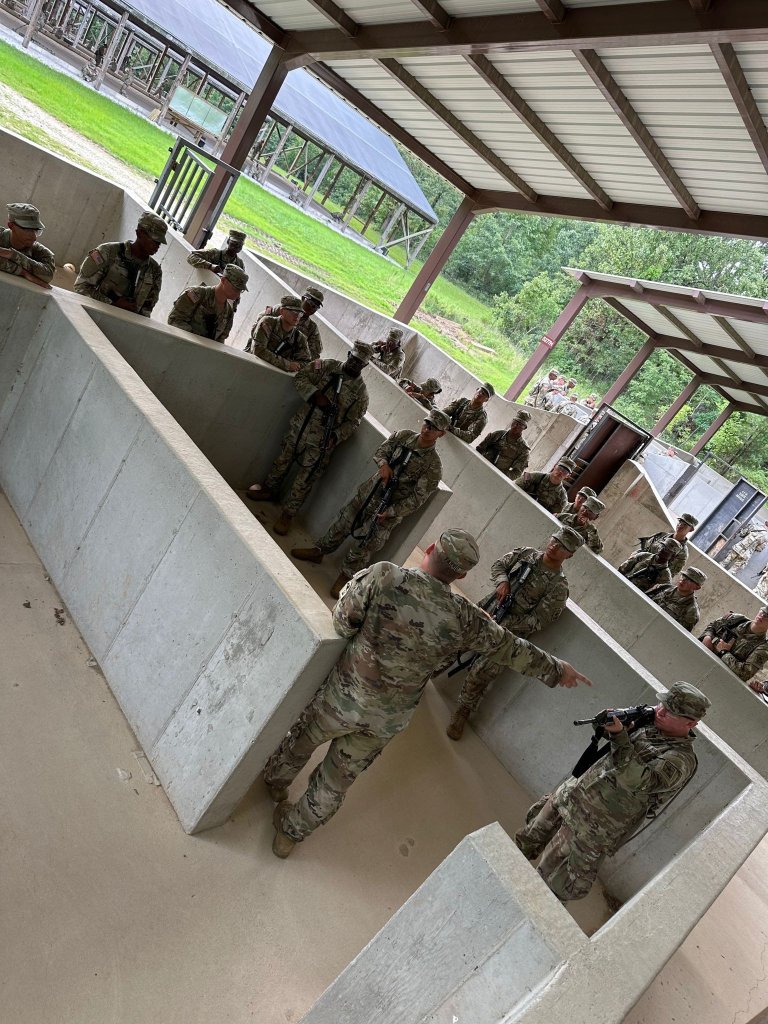

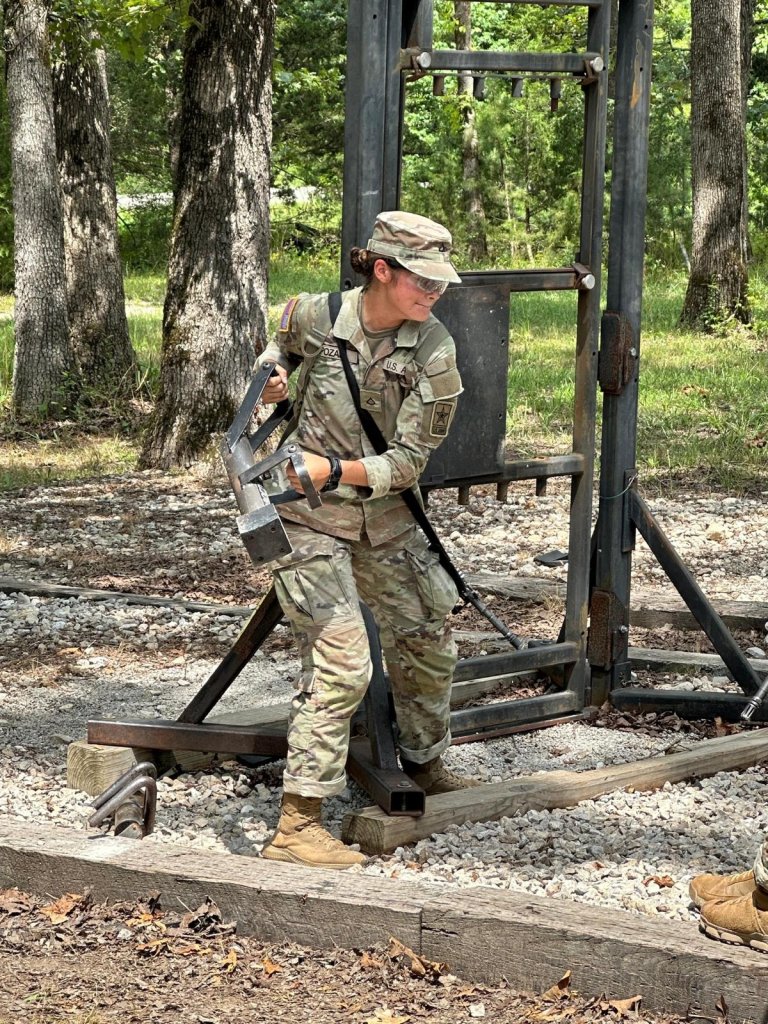
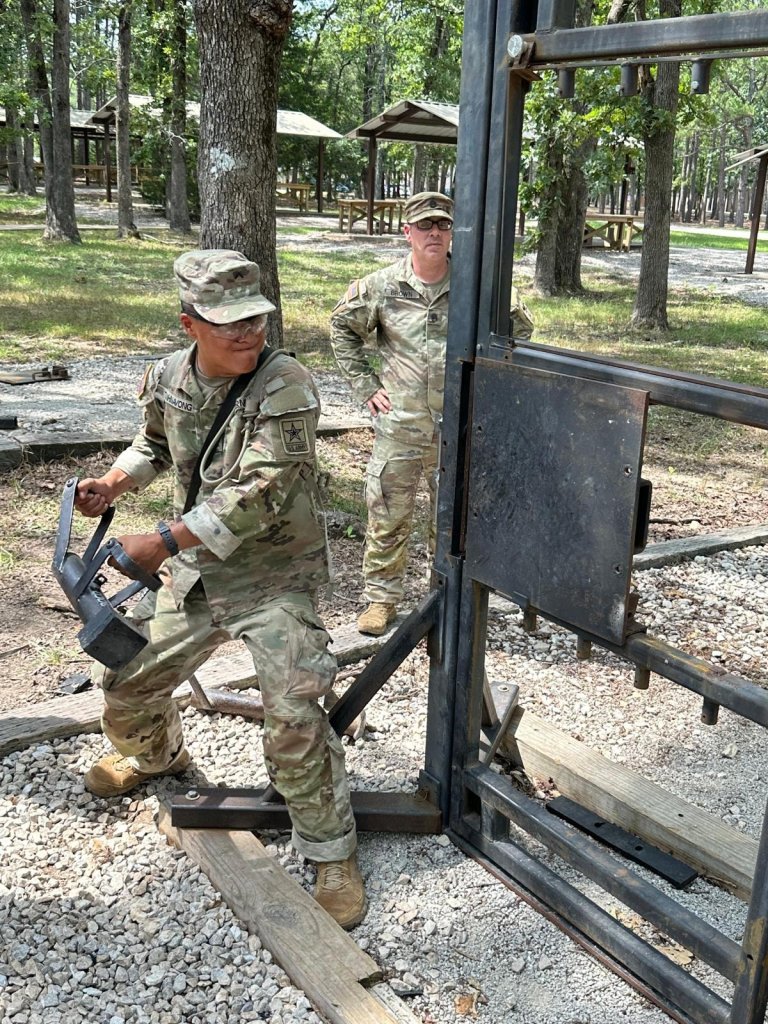
Combat Engineer soldiers who stay in the Army will return to Fort Leonard Wood for various PME (Professional Military Education) schools. Sergeants, return to attend an eight week Advanced Leaders Course, Staff Sergeants, return again for a 10 week Senior Leaders Course. Officers who are commissioned into the Corps of Engineers attend a three month basic officer leadership course at Fort Leonard Wood, then after about four years of service they return on a permanent change of station (PCS) to attend a six month Captains Career Course. Combat Engineer sergeants and officers may return to attend the very tough 28 day (continuous) Sapper Leaders Course. It is considered to be the engineer’s version of Ranger School, although engineers also attend Ranger School. Graduates of the Sapper Leaders Course get a “Sapper” tab on the left shoulder of their uniform, just like Rangers. A “Sapper” is a combat engineer soldier who is with the front line infantry troops. In Vietnam we had enemy sappers that could sneak through the perimeter wire and leave charges (bombs). We now train soldiers to do just that.
I occasionally had an Engineer Squad attached to my Rifle Platoon, usually it was for them to blow something up, like bridges, buildings or obstacles. On a training exercise on the Salisbury Plain in England we were to dig foxholes and set up a defense. Immediately under the grass, on Salisbury Plain in England, is chalk, it was like trying to dig in concrete, with a fold out entrenching tool. Our engineers brought in a backhoe and scoped out foxholes. Then it rained for two days and the holes became lakes. Every Brigade Combat Team now has an Engineer Battalion, which consists of a Headquarters Company, two Engineer Companies, one of which is usually a “Sapper” company, a Signal Company, a Military Intelligence Company, and a Chemical detachment. There are also separate engineer battalions and brigades, and Ranger battalions have a few combat engineers. Two of the ten sergeants on a Special Forces A Detachment are combat engineers, although they go through a lot more kinky training to become a Green Beret.
Combat Engineers carry things into combat and field training exercises that the infantry doesn’t, such as lots of C4 explosive, lots of det cord, blasting caps, duct tape, and even IV bags, which are used to make a water impulse explosive, to open a door. Engineers will blow holes in an enemy’s defensive perimeter so the infantry can run through and attack. They will also put up concertina wire and help the infantry construct defensive positions. If necessary, the engineers can call in help, such as backhoes and bulldozers, and temporary bridges. The engineers may build a better defensive position than the infantry, but the infantry will utilize it better, although they overlap, each are experts in different attributes of engaging the enemy.
After the 14 week engineer OSUT, 12B’s go directly to a combat engineer unit. Hopefully, they go to airborne school first and go to an airborne combat engineer unit. The 82nd Airborne Division has three engineer battalions, one in each Brigade Combat Team (BCT), plus there is the airborne 27th Engineer Battalion on Fort Bragg, under XVIII Airborne Corps. There is one battalion in the 173rd Airborne Brigade at Vicenza, Italy, and one in the 11th Airborne Division at Anchorage, Alaska.
1st Brigade Combat Team engineers of the 82nd Airborne Division.
127th Airborne Engineer Battalion, 1BCT, 82nd Airborne Division
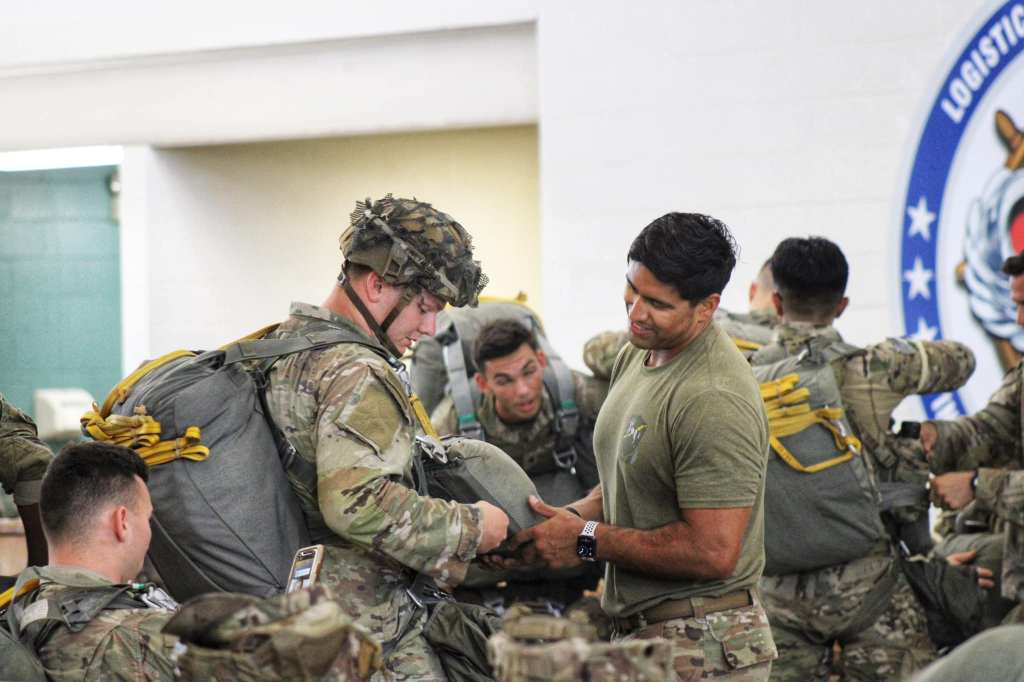
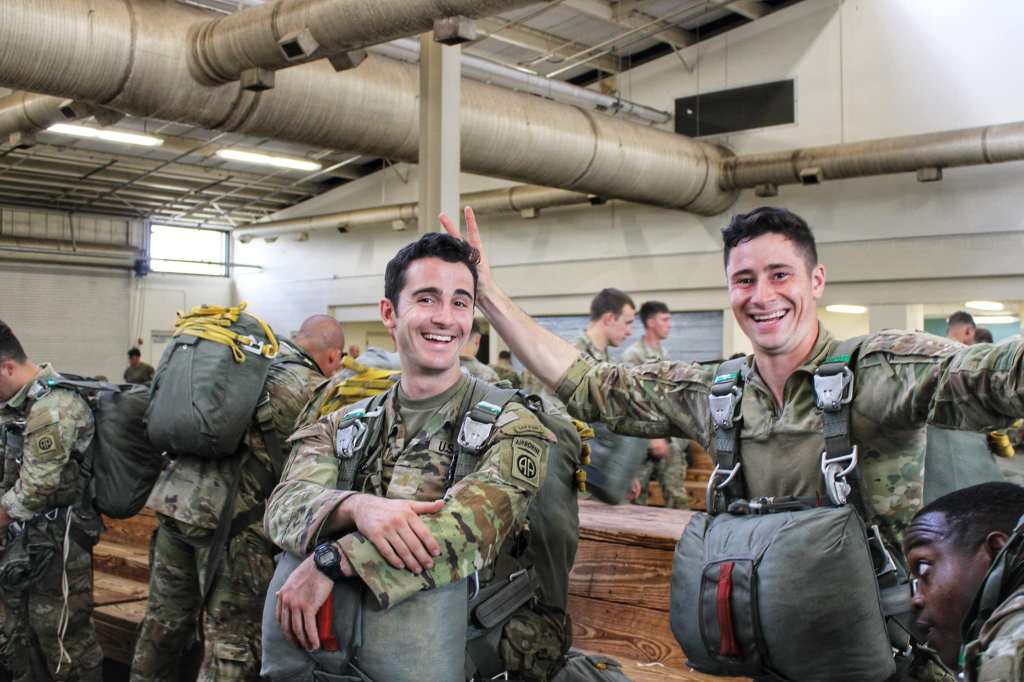
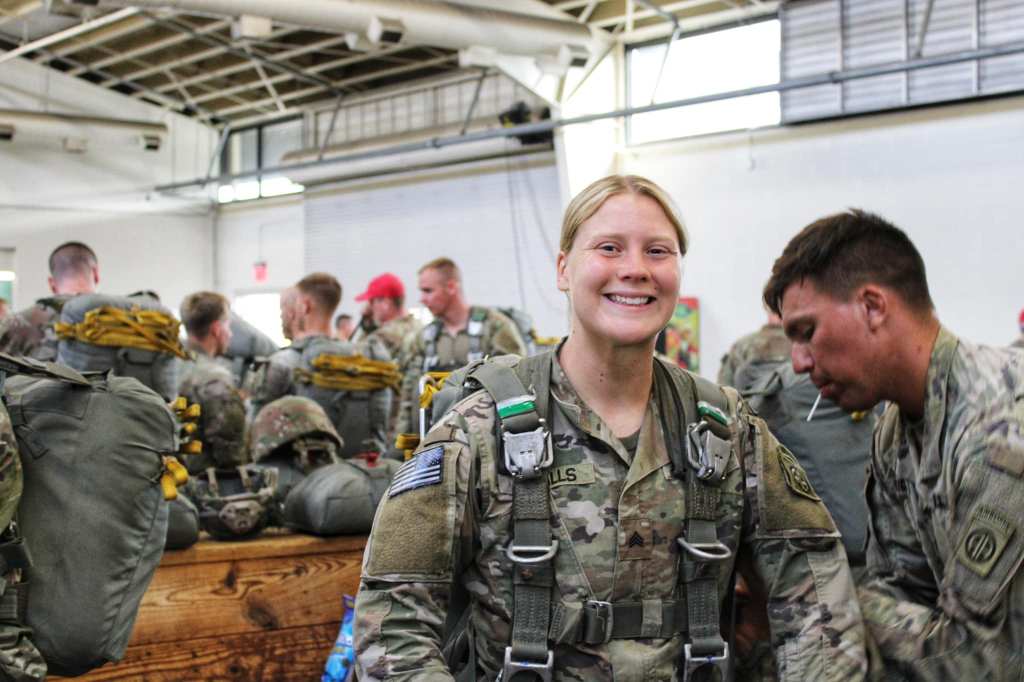
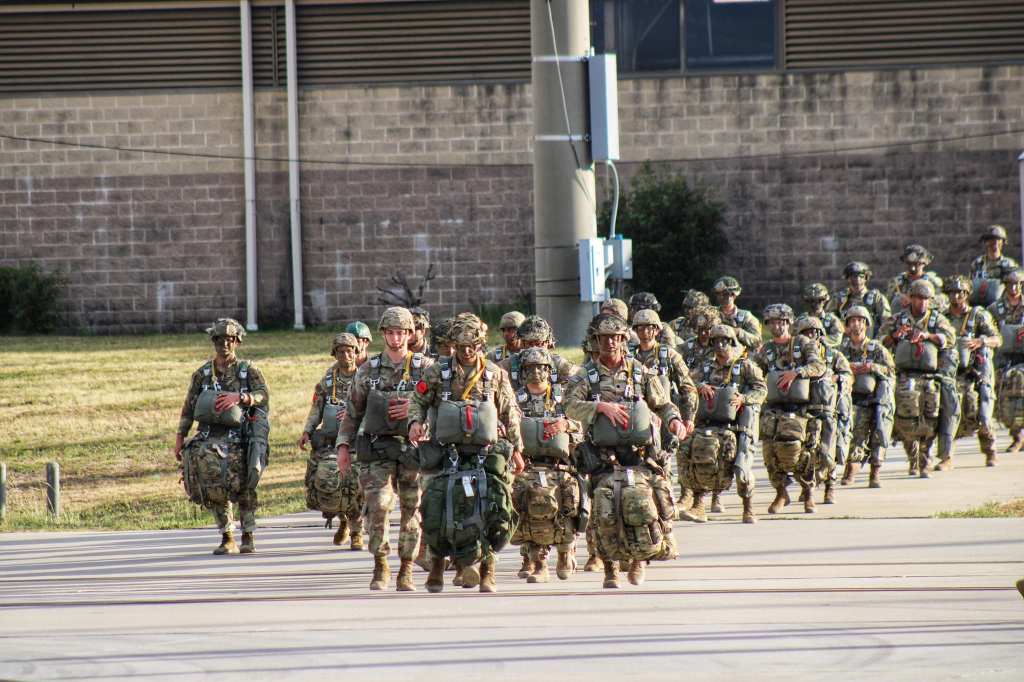
11 AUG- Devil Strike completed an Airborne Operation that included a heavy drop with Black Devils. Our BN conducted a follow on mission to clear, assess, and repair the field landing strip for follow on forces. This was an all night operation that included Sappers clearing the area of all obstacles and our Light Equipment Platoon repairing the FLS by filling craters.
GREAT work from our Paratroopers!! Airborne, All The Way, Devil Strike.

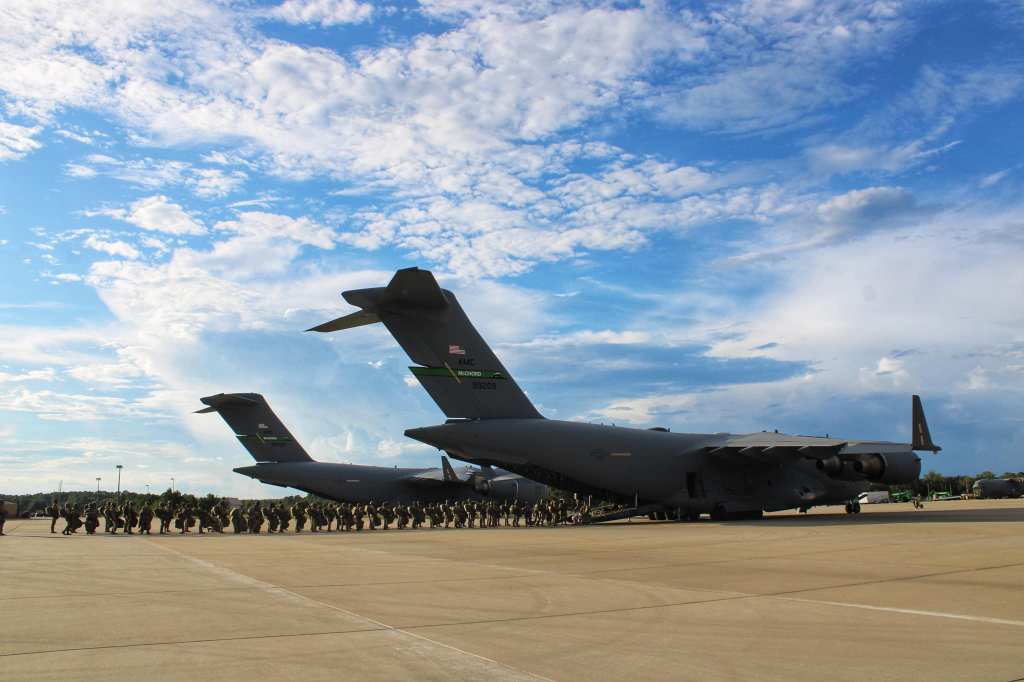
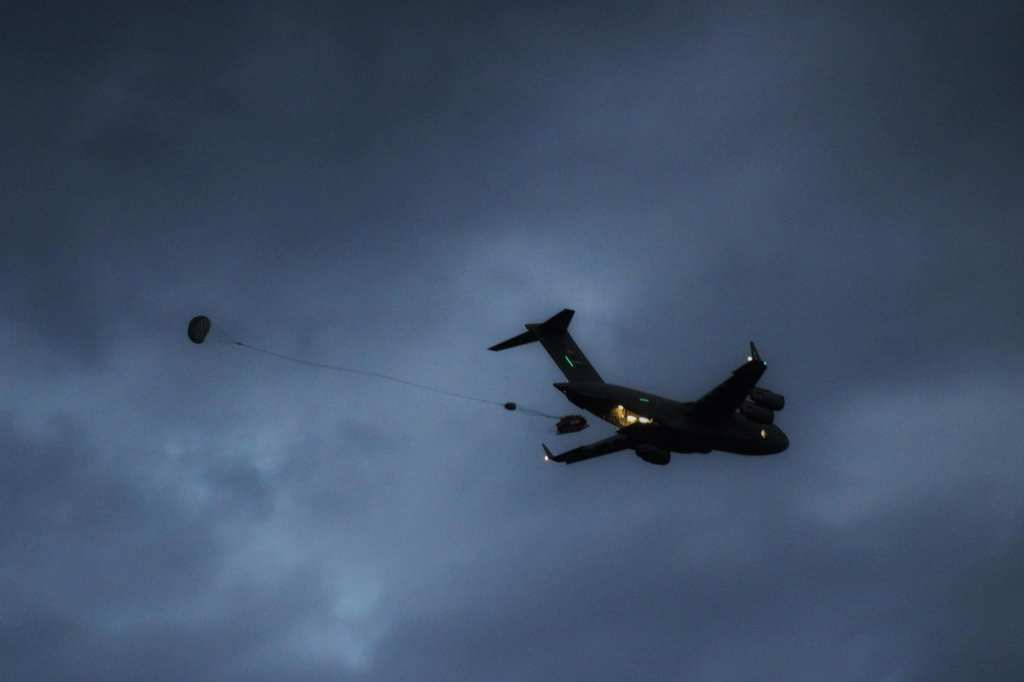
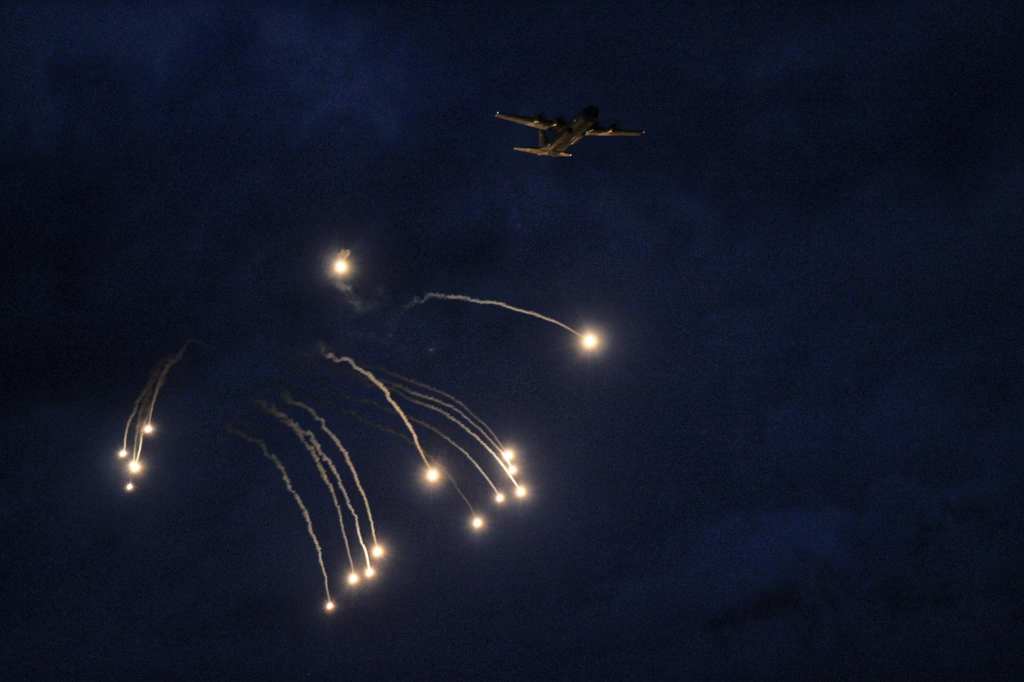

37th Engineer Battalion, 82nd Airborne Division
The Eagle Battalion’s Sappers are conducting live fire certification in order to provide mobility to the Falcon BDE.
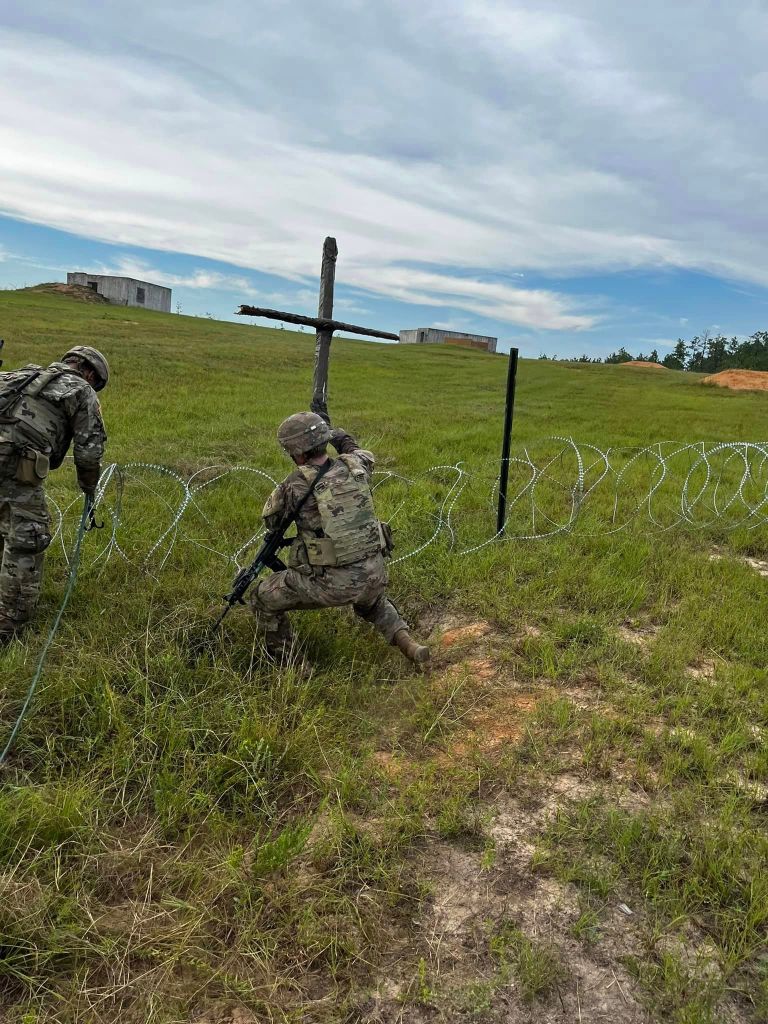

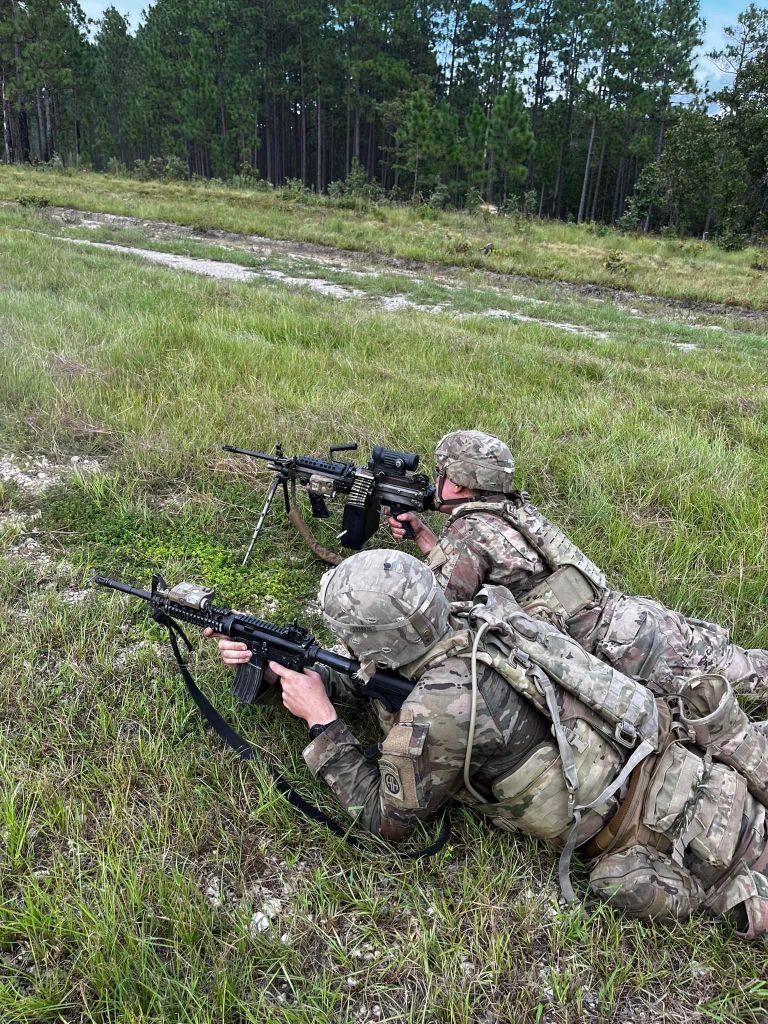
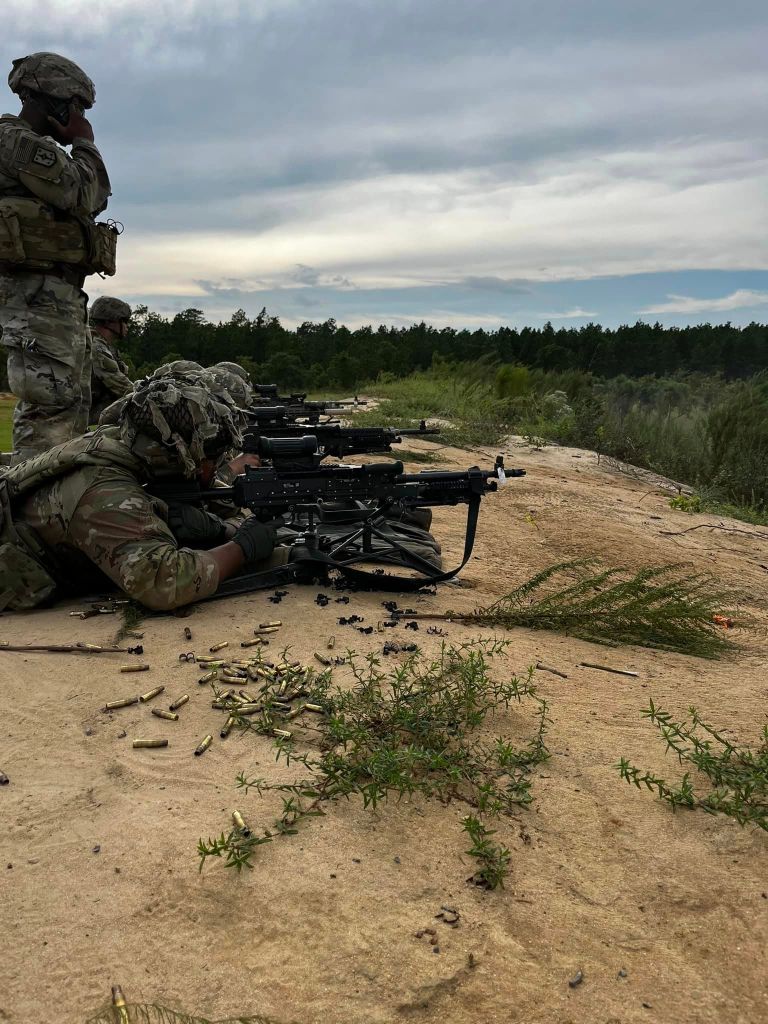

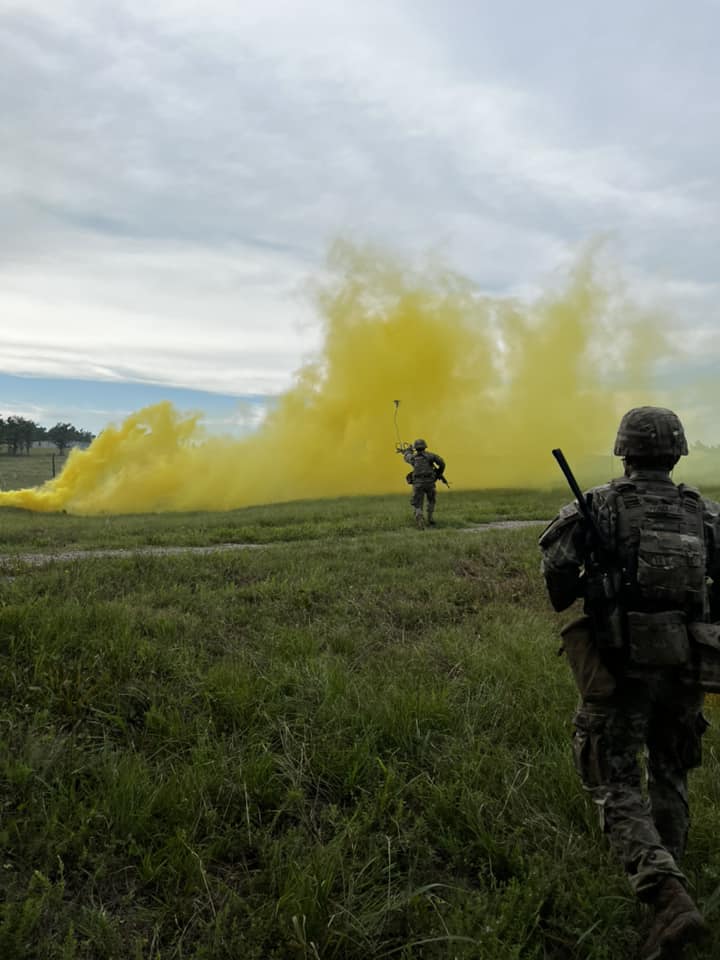
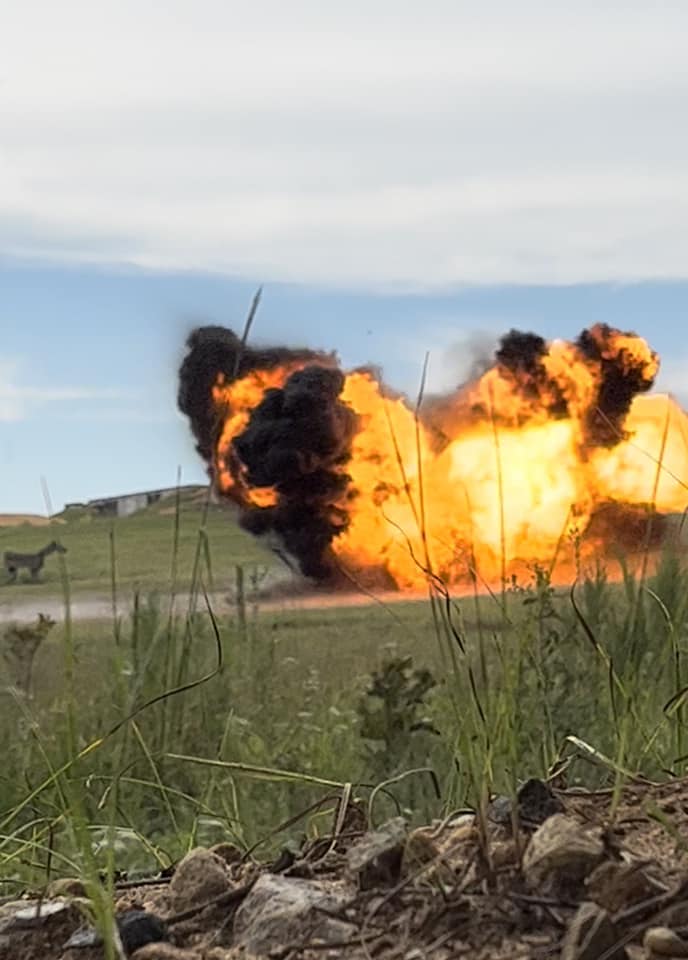
37th Engineer Battalion, 82nd Airborne Division
Guns and Leaders to the front!
SPC McCabe, a Sapper SQD Leader, proofs a explosive breach site to set conditions for a Red Falcon PLT assault an objective.
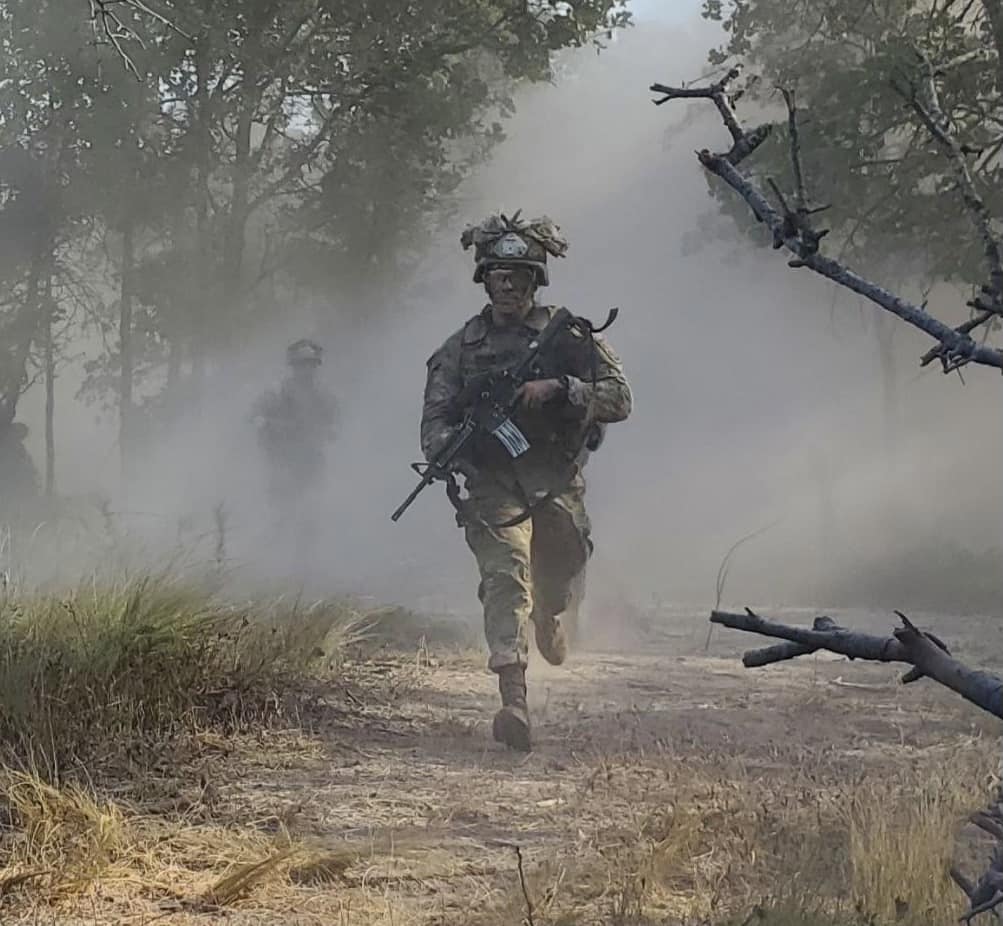
The 307th Brigade Engineer Battalion is part of the 3rd Brigade Combat Team of the 82nd Airborne Division.
307th Brigade Engineer Battalion
July 16 ·
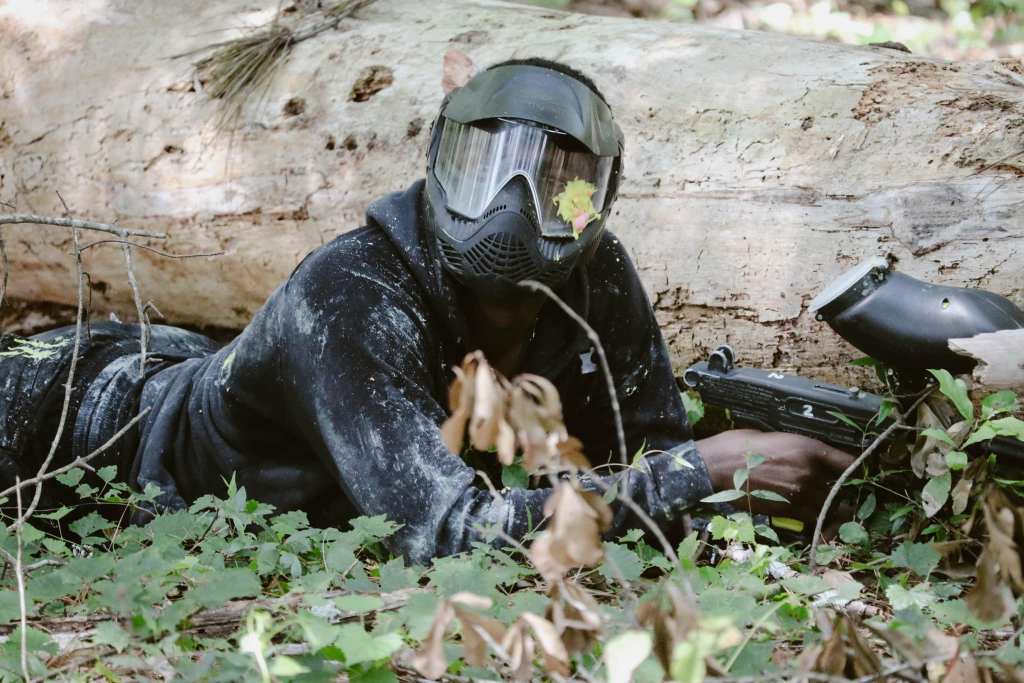
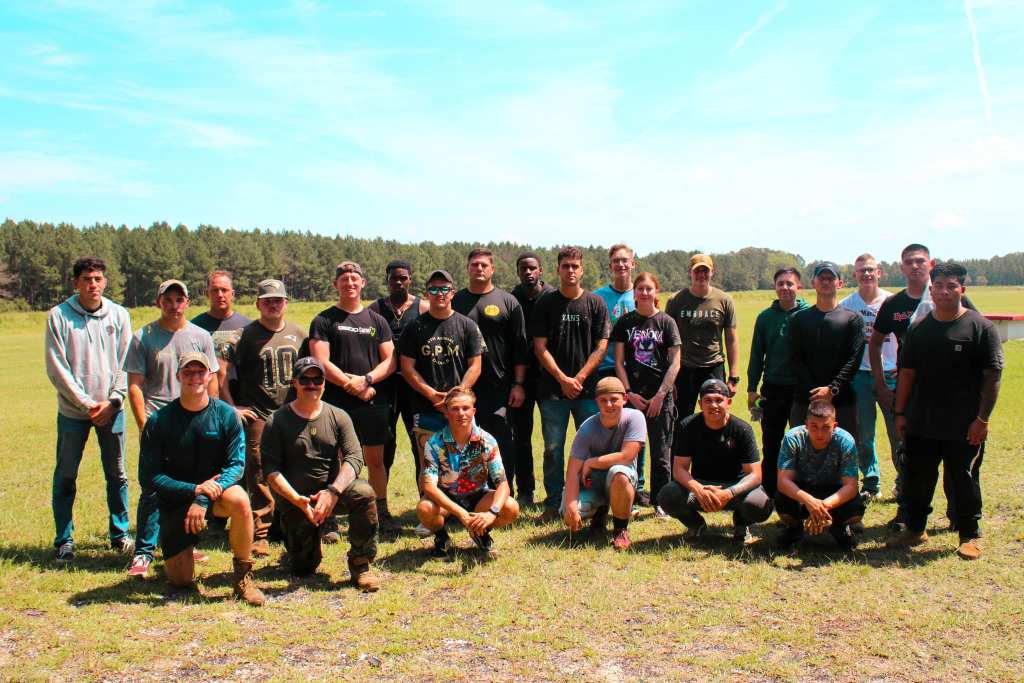
Building resilience one paintball at a time with the 307th Engineer Battalion’s very own Headquarters and Headquarters Company! Embracing challenges, fostering teamwork, and having a blast together.
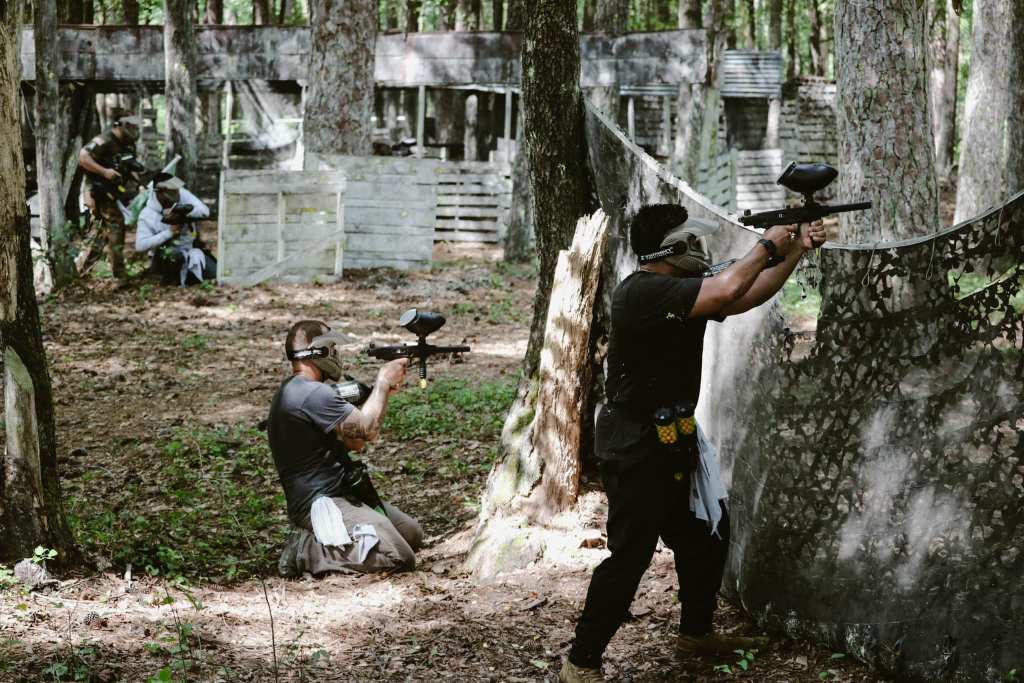
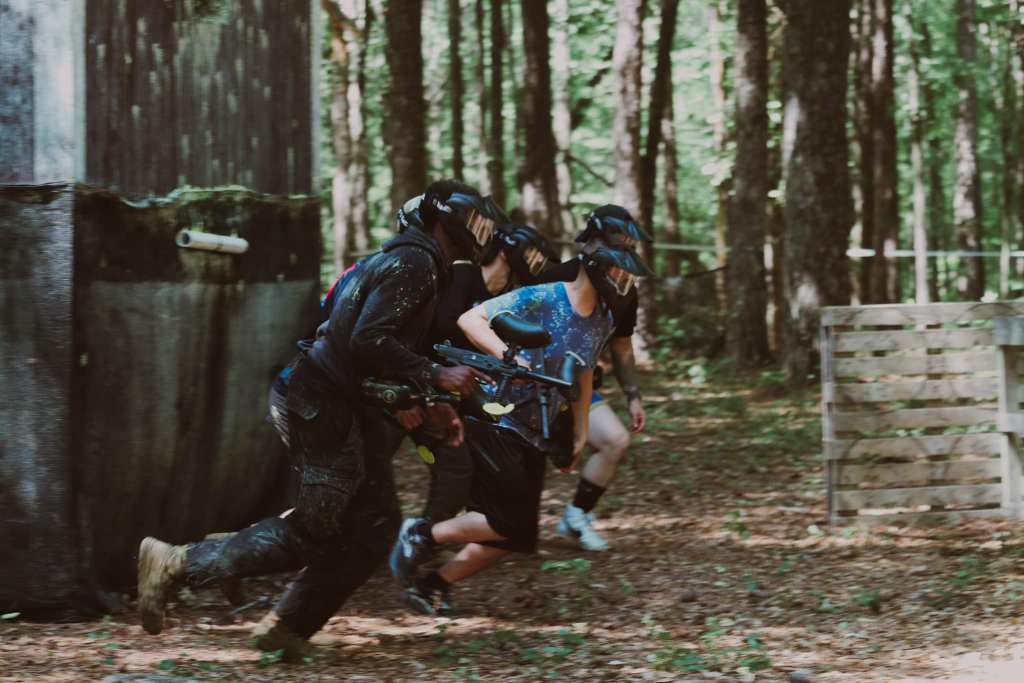

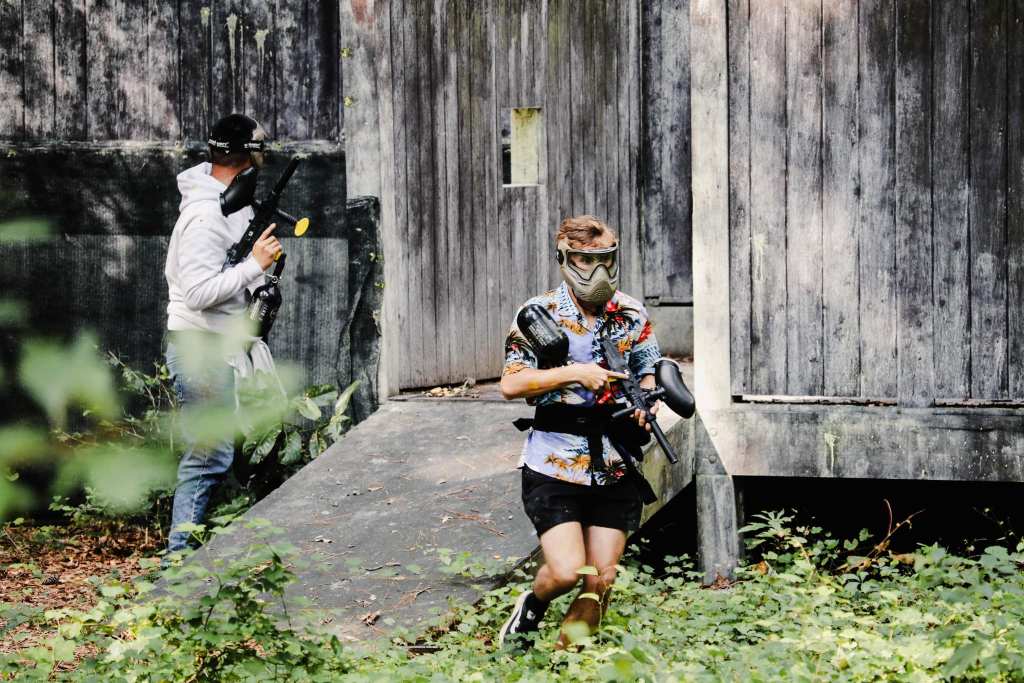
307th Brigade Engineer Battalion
PANTHER WEEK 2023 CHAMPIONS
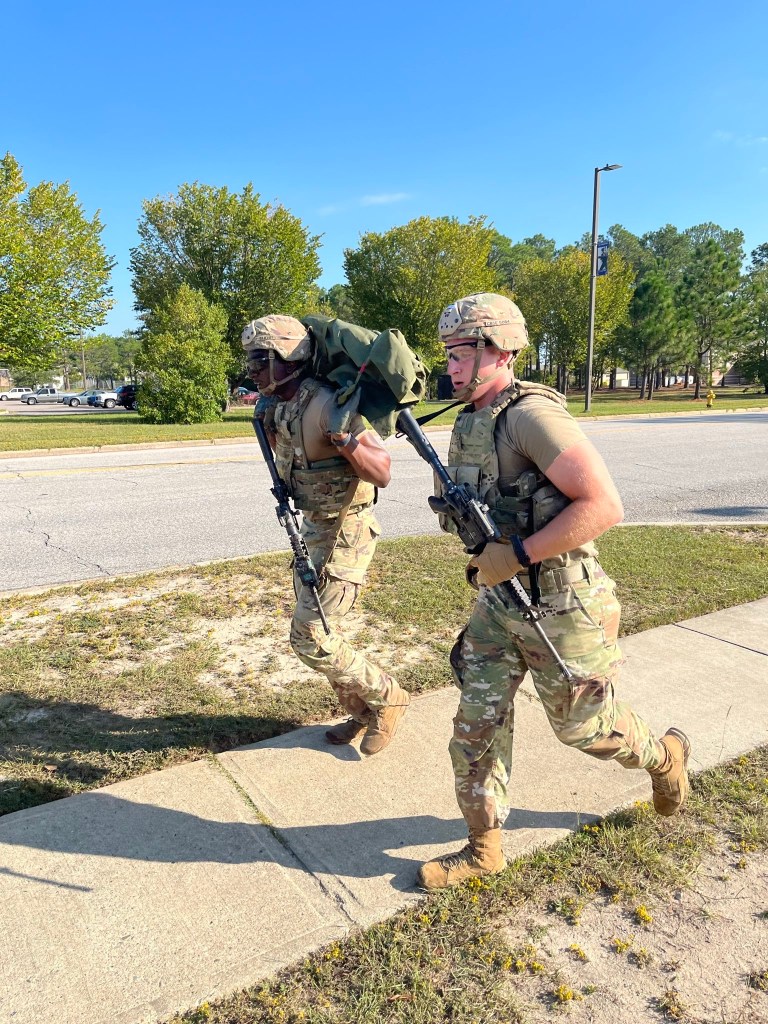
After a week of fierce competition, our Cobalt Paratroopers defend our #PantherWeek championship title and come out victorious.
Congratulations to our 307th Brigade Engineer Battalion Paratroopers for going #backtoback and maintaining this year’s 3rd Brigade Combat Team, 82nd Airborne Division Panther Week Trophy!
Our Paratroopers closed out the week with numerous “Top 3” finishes, solidifying the title as the best battalion in the brigade.
Due to the team’s hard work, the infamous #PantherWeek Trophy will remain with our battalion headquarters for a second year in a row.
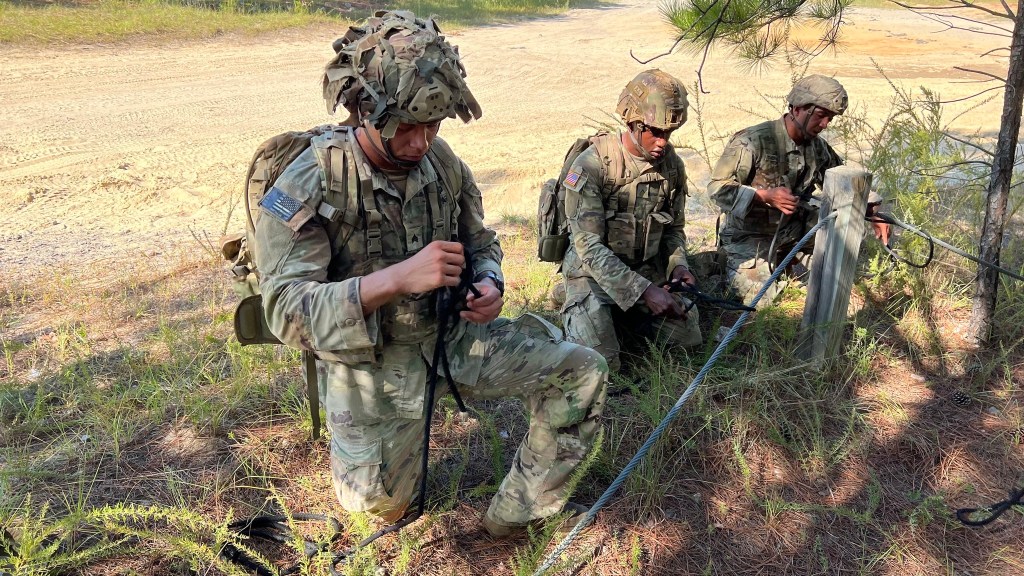

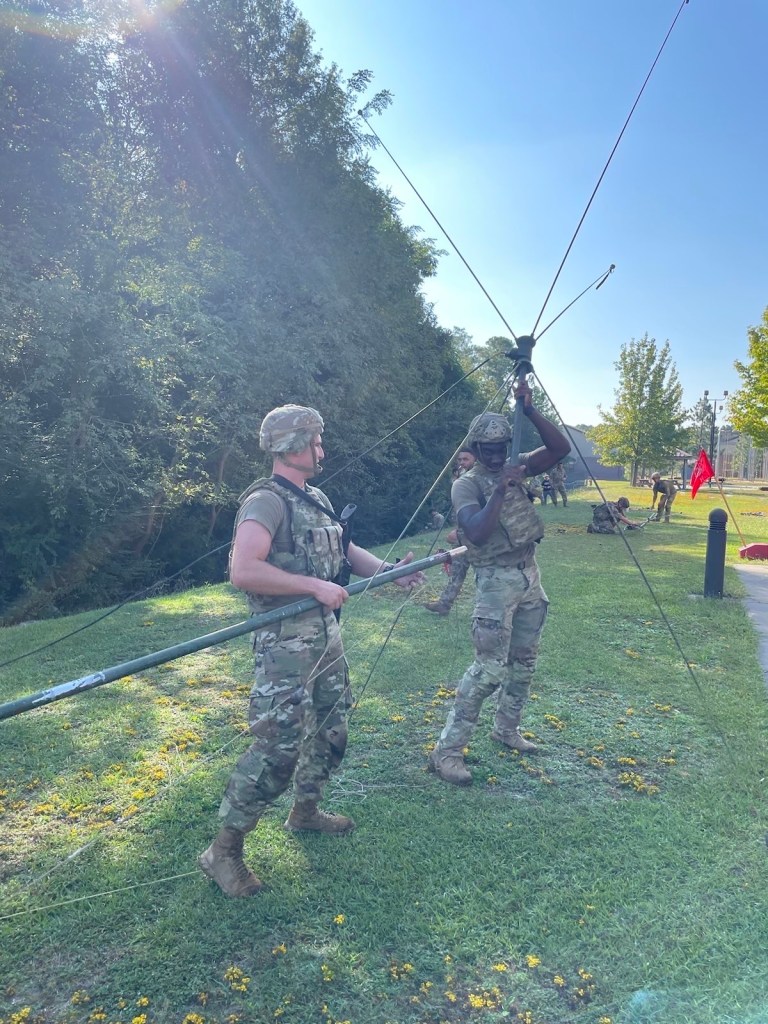
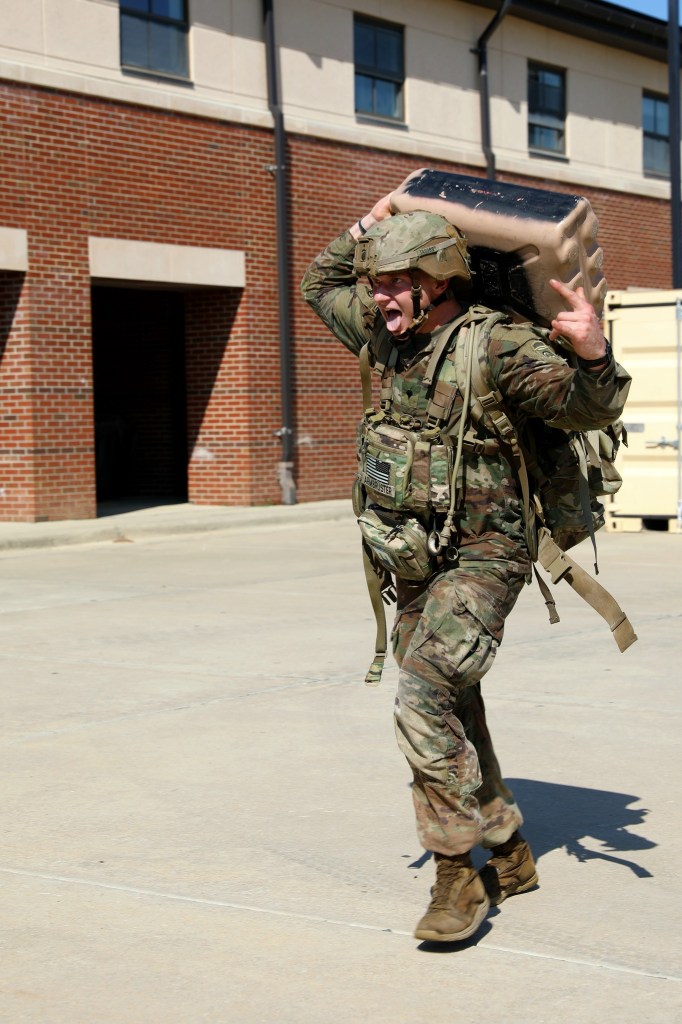
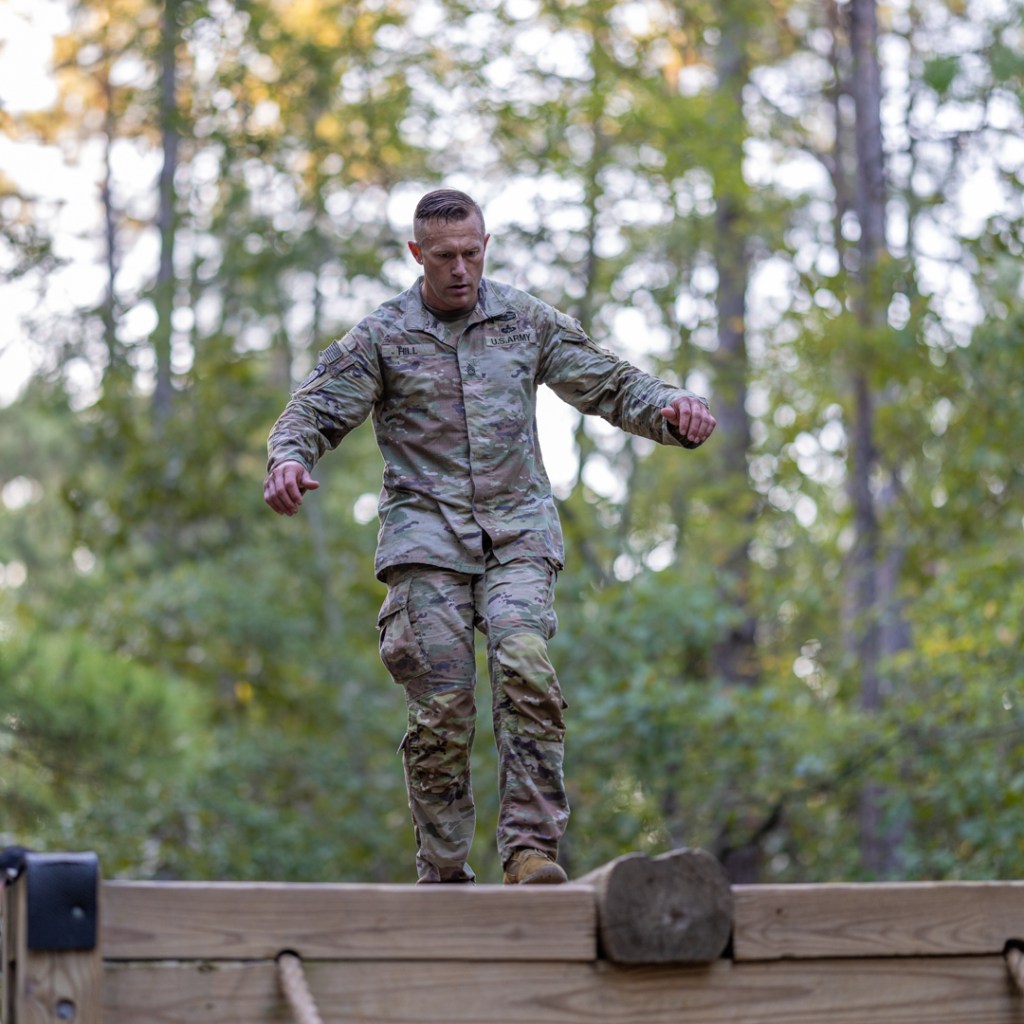
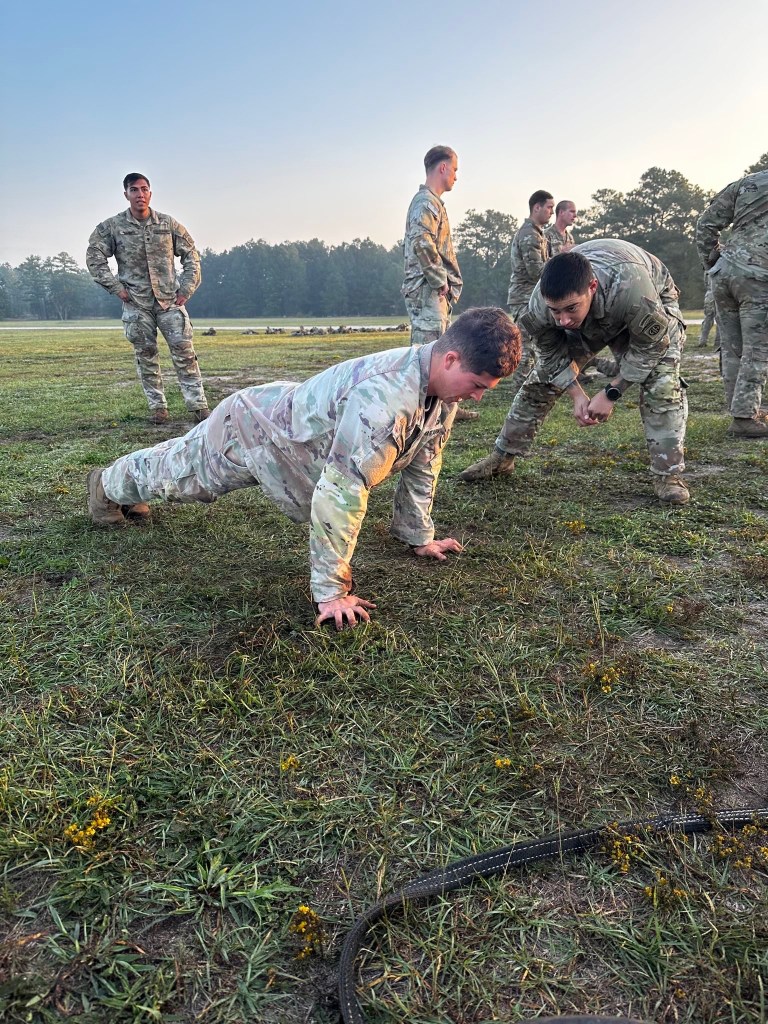
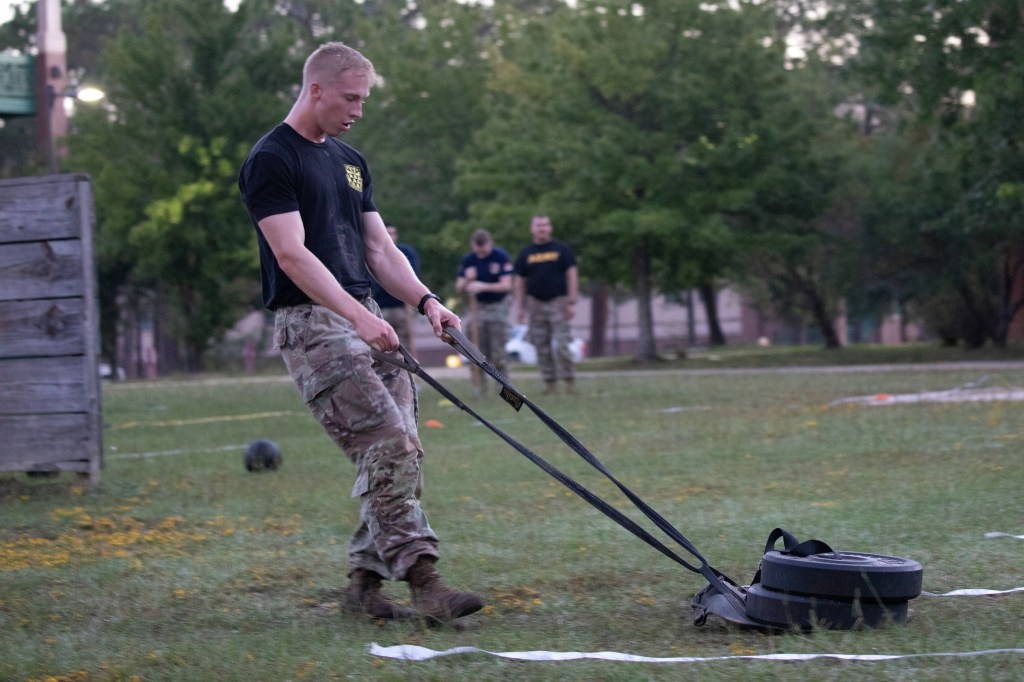
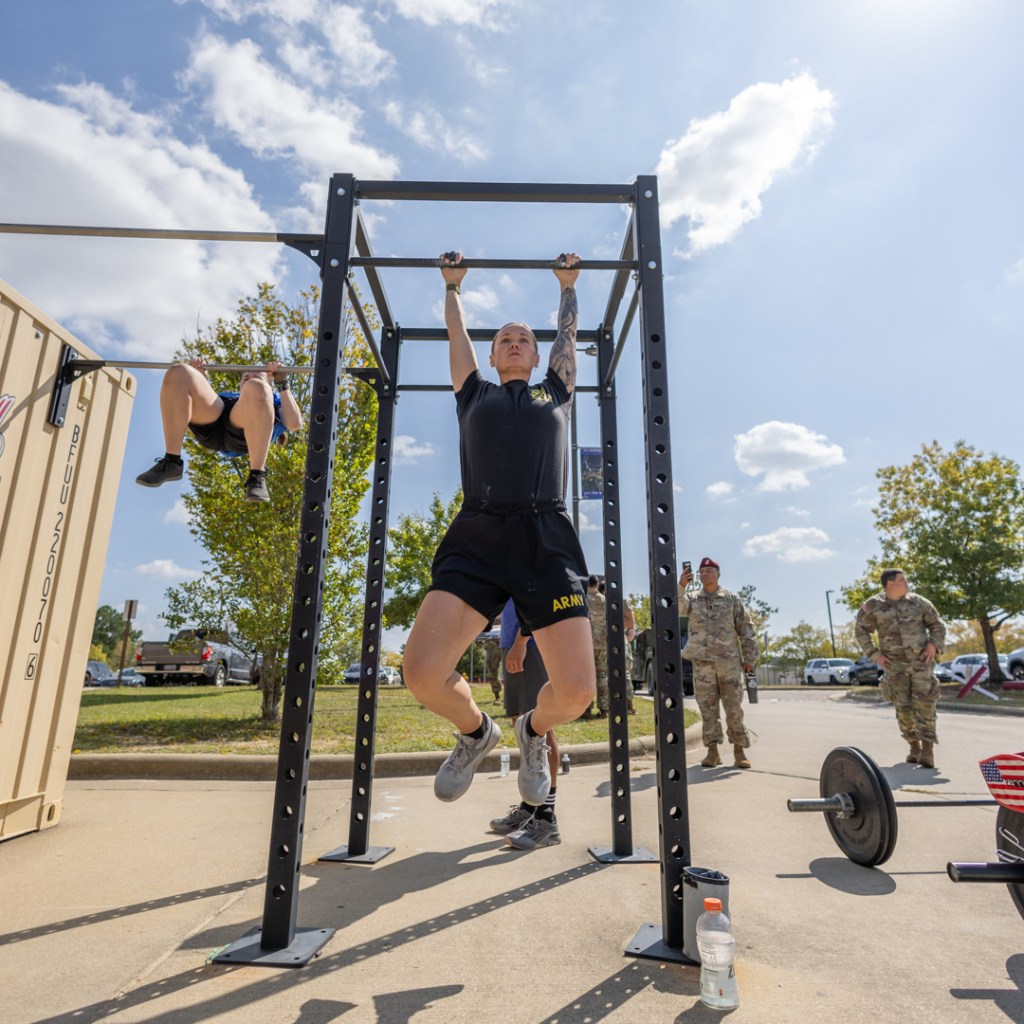
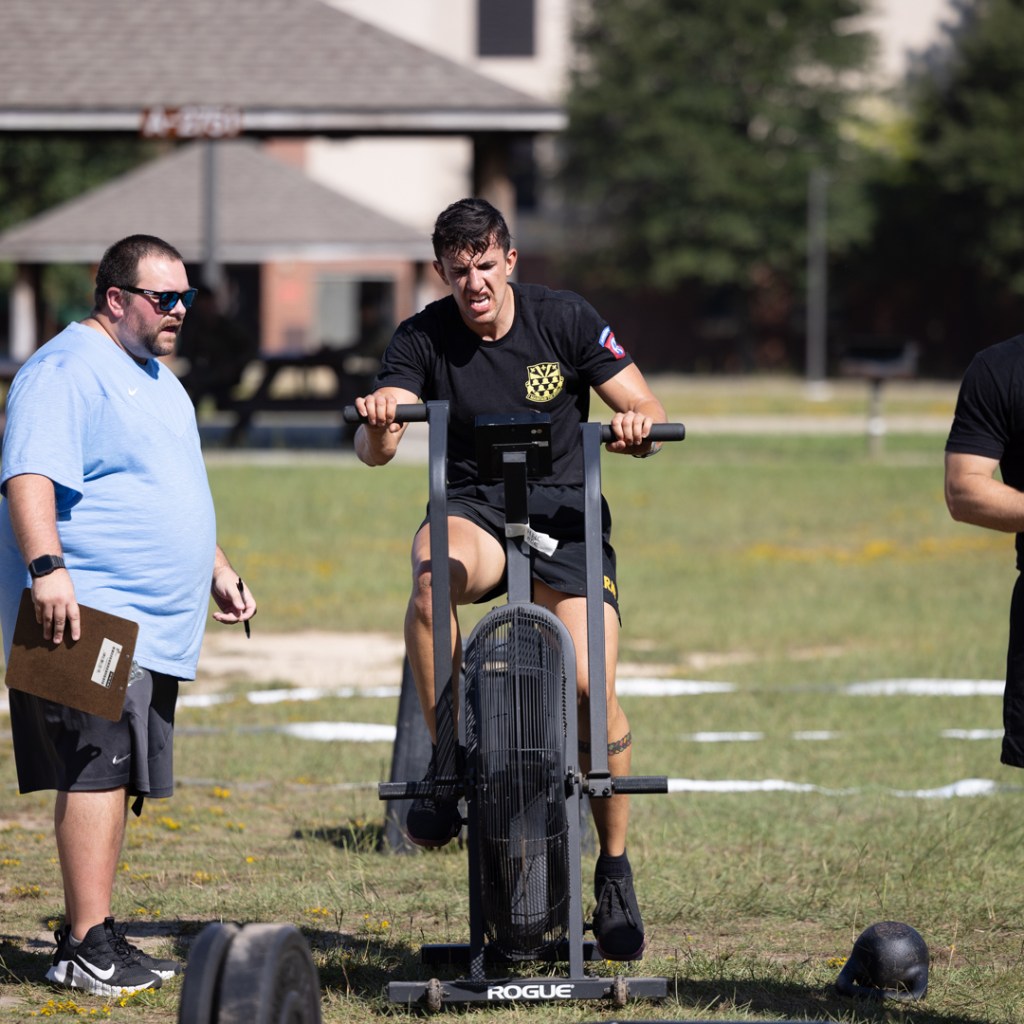
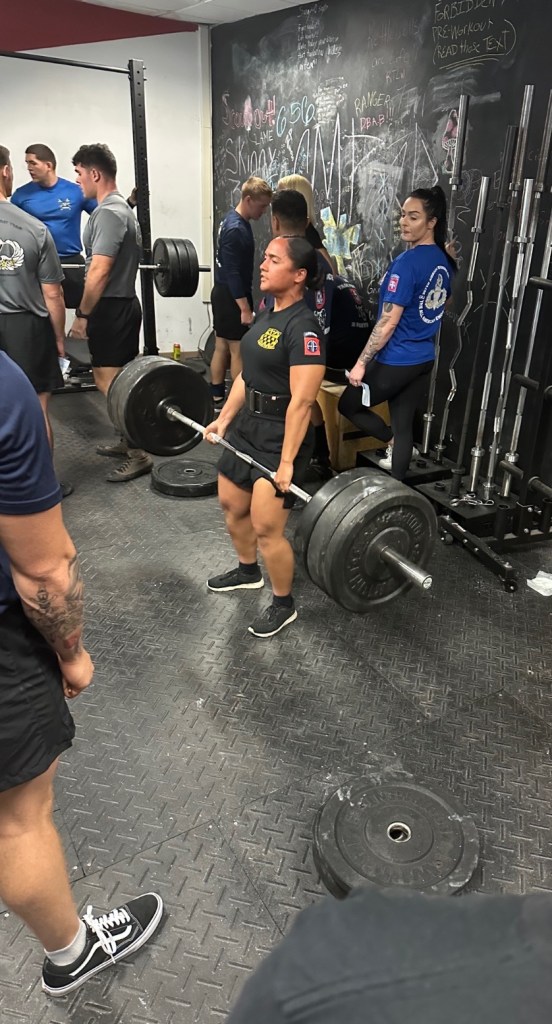

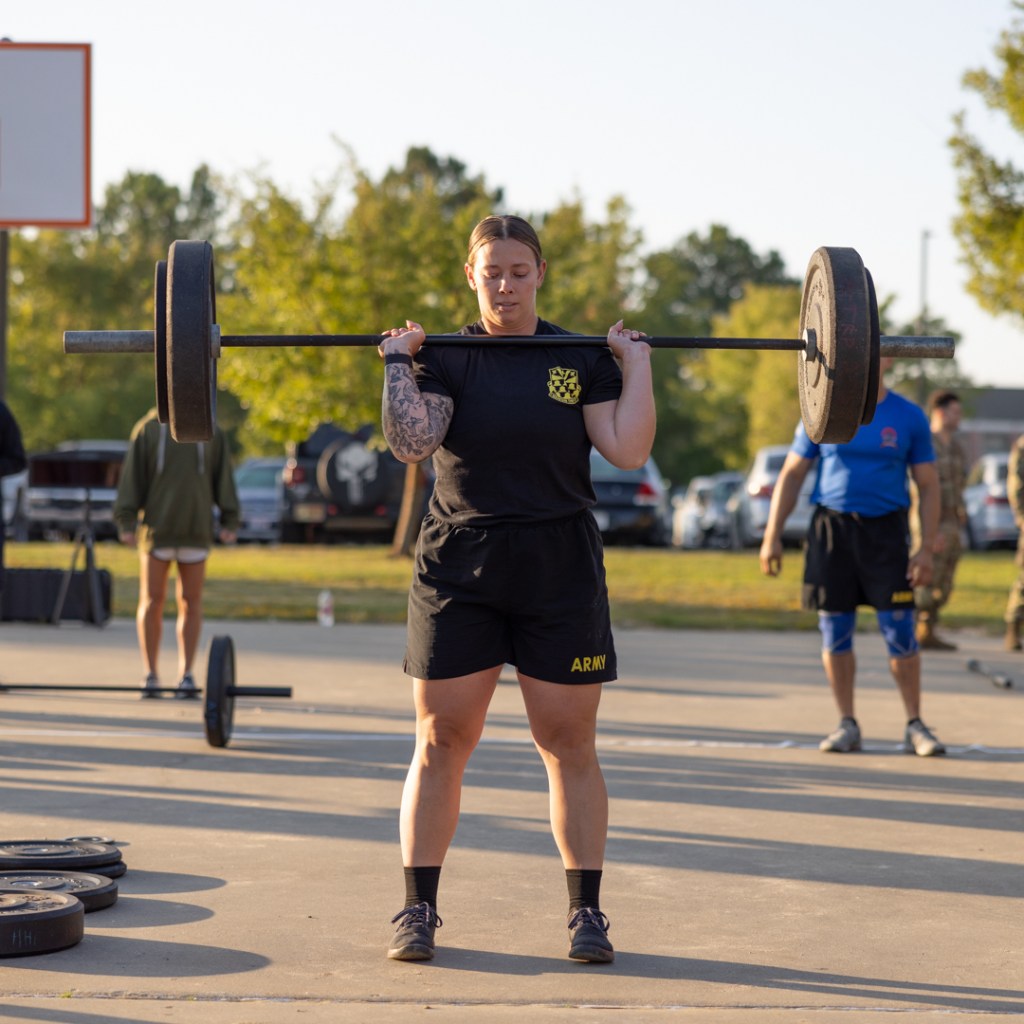
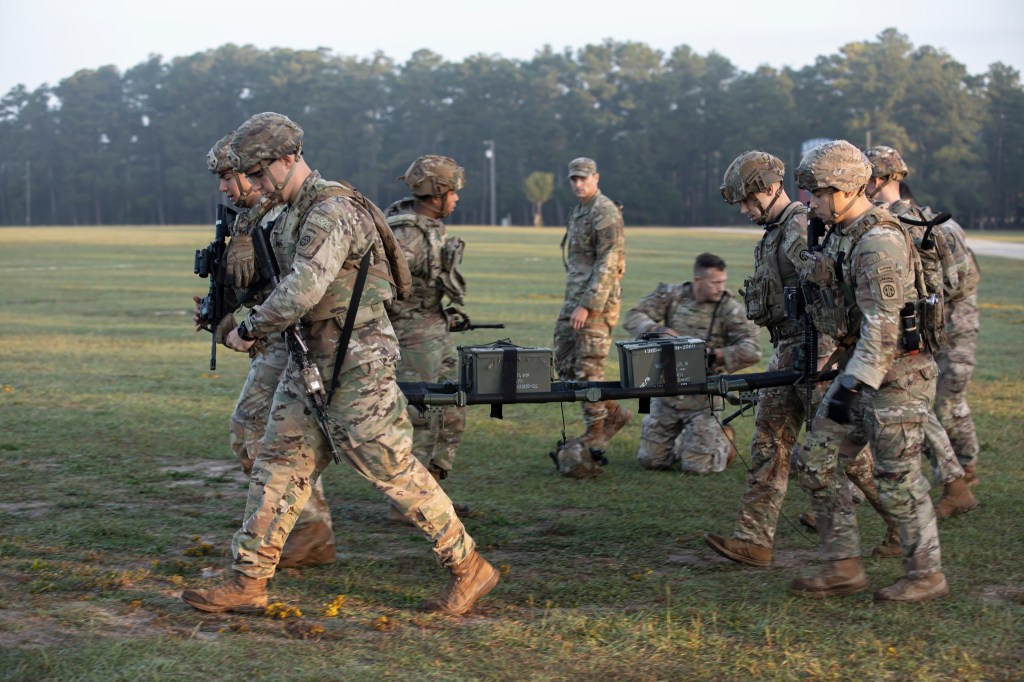


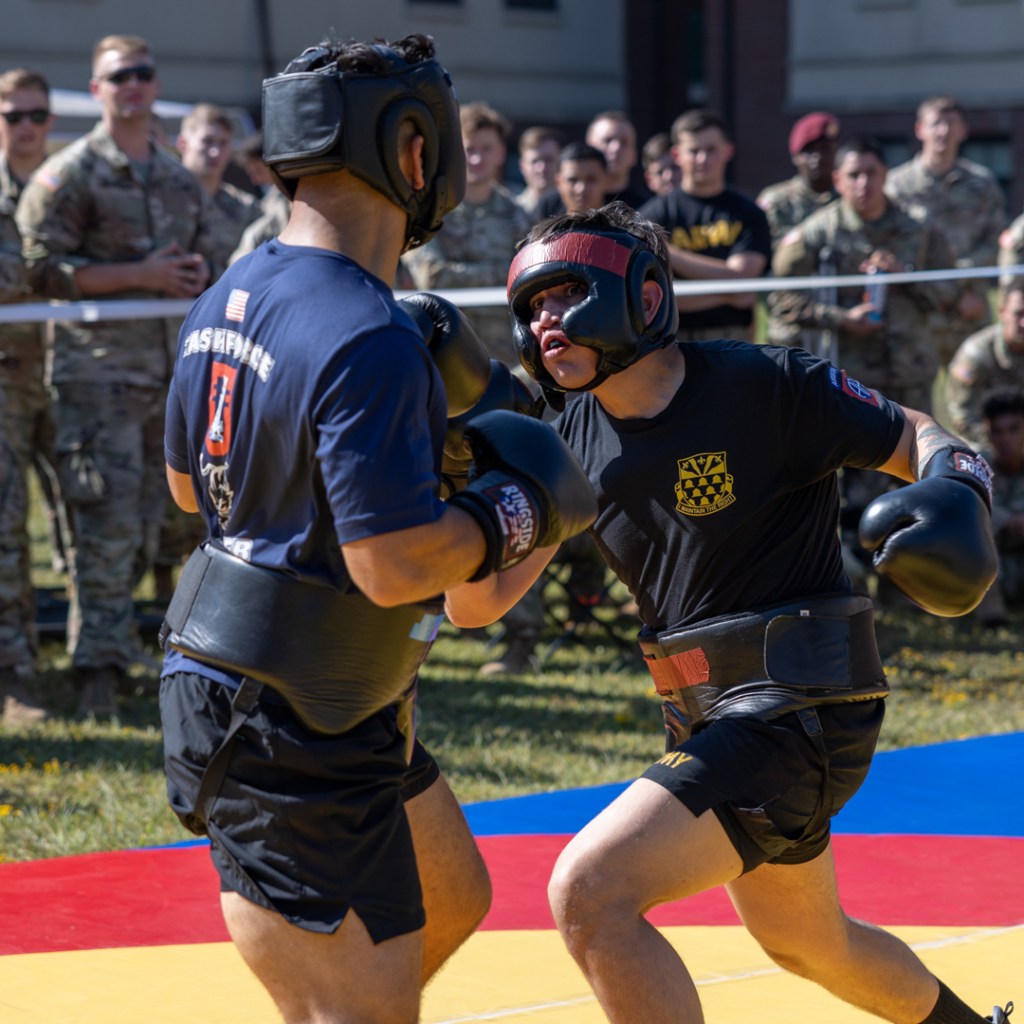


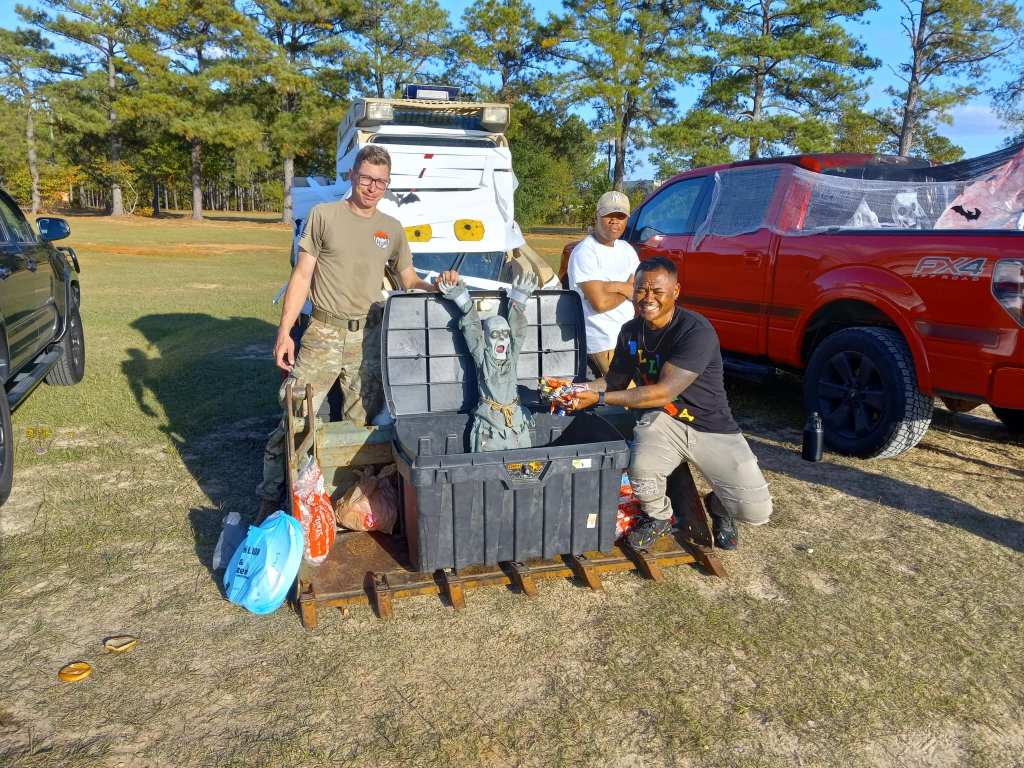
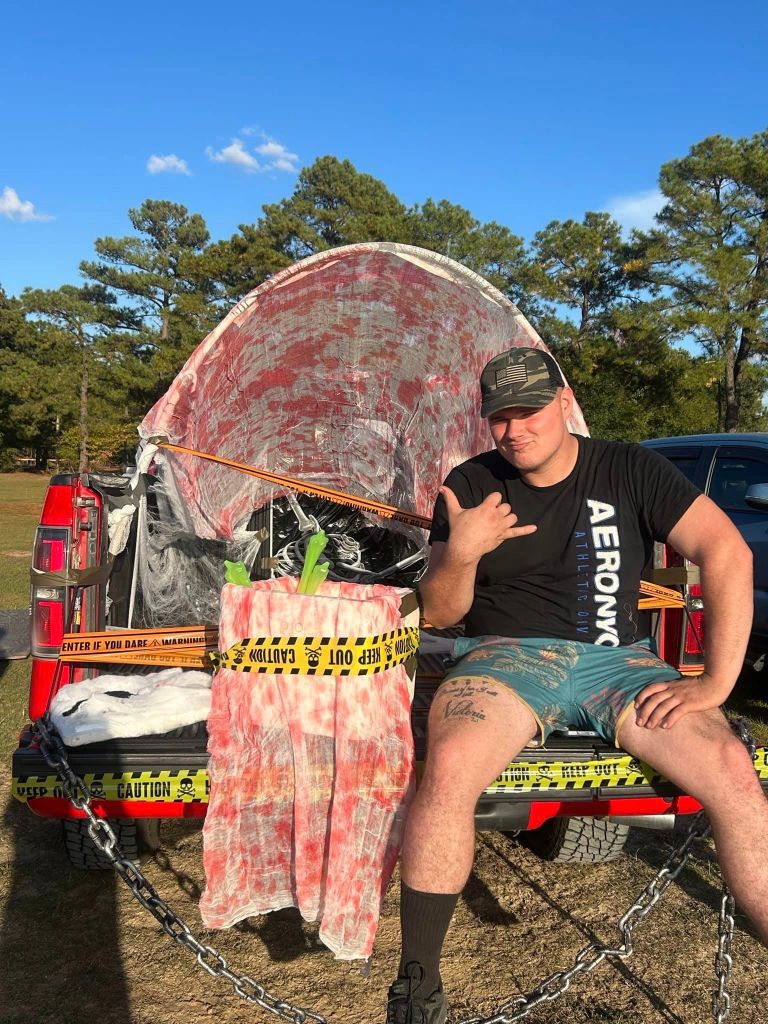
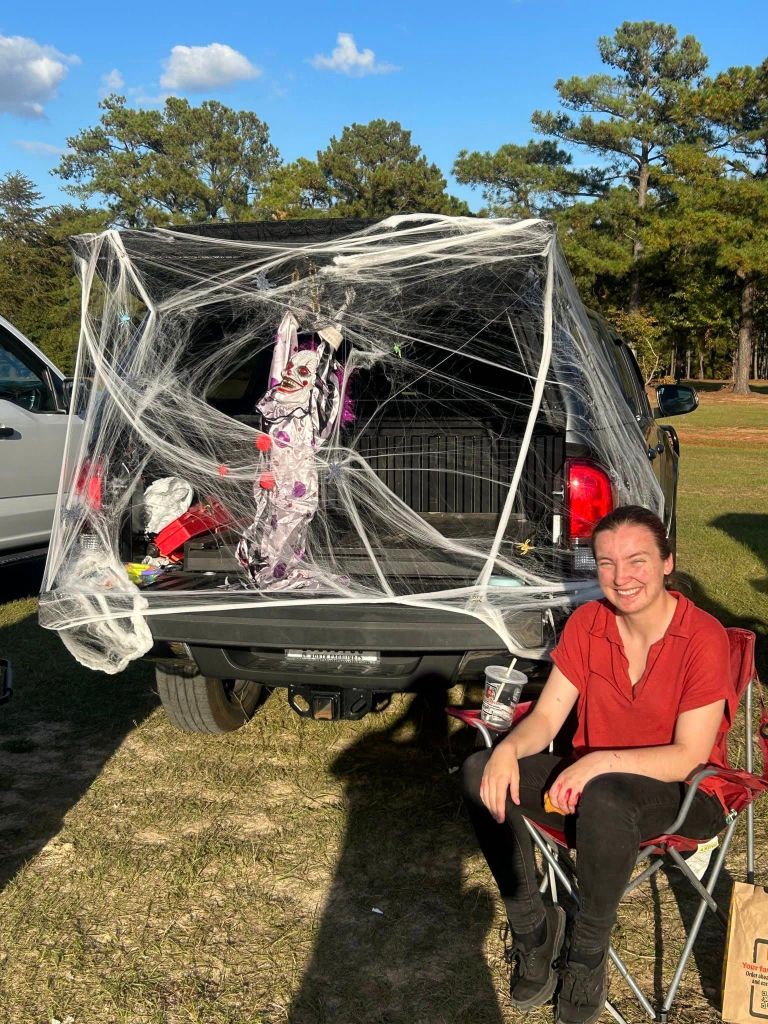
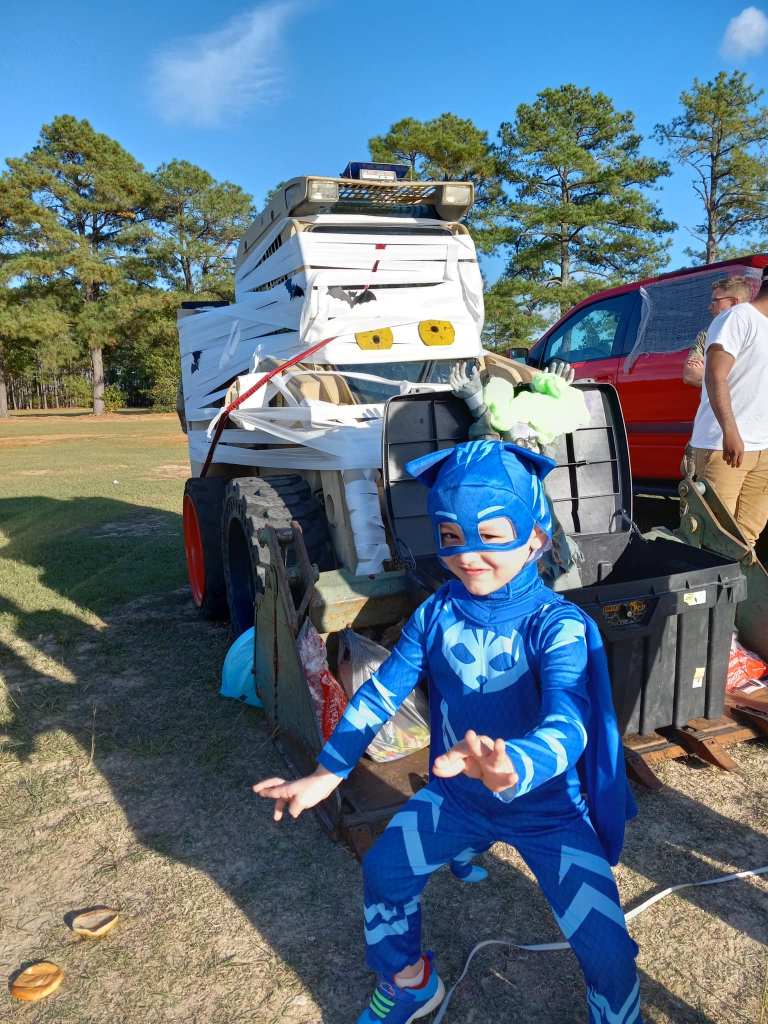
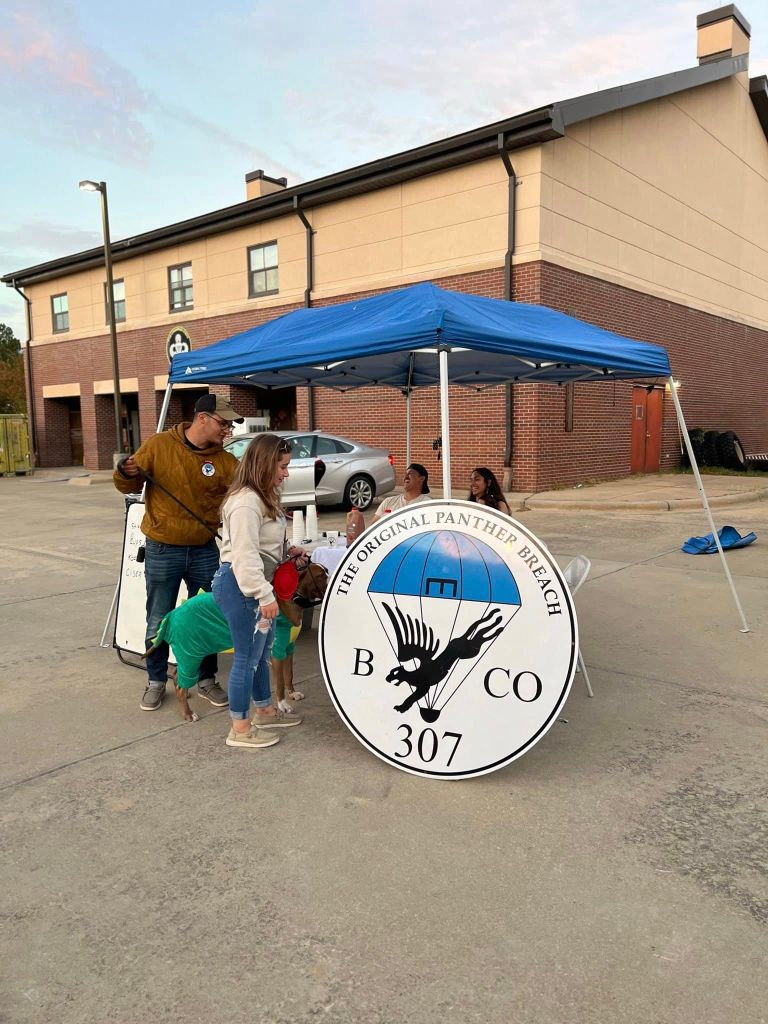
These paratroopers don’t do anything half way, including Trunk or Treat for the kids.
307th Brigade Engineer Battalion
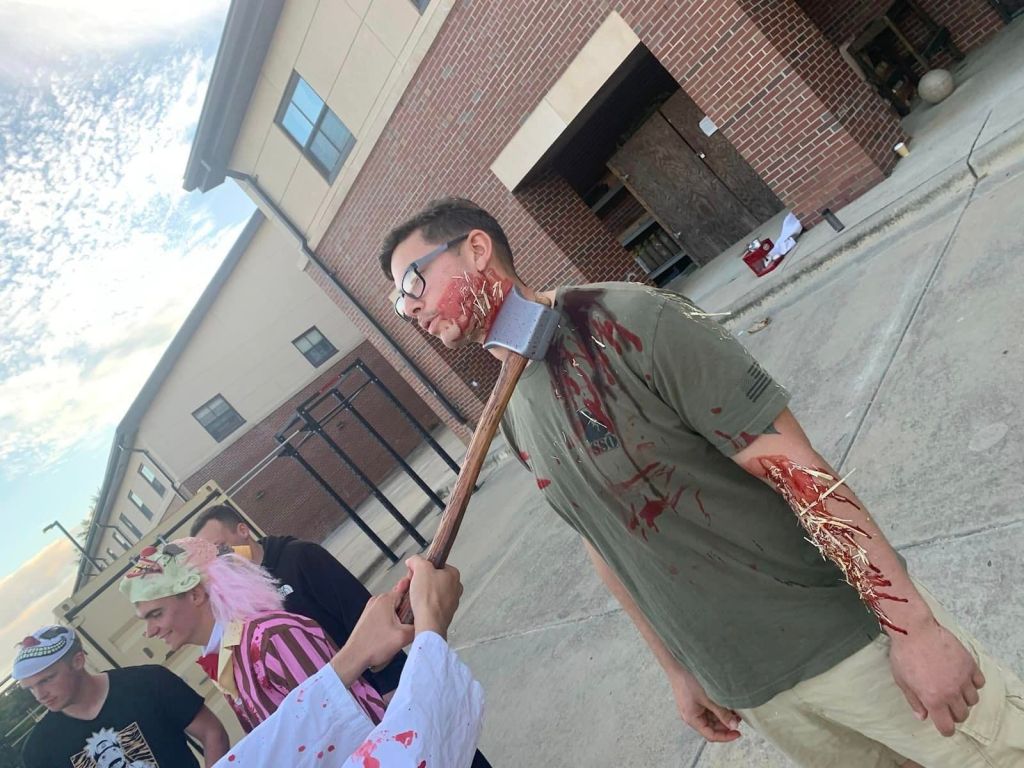
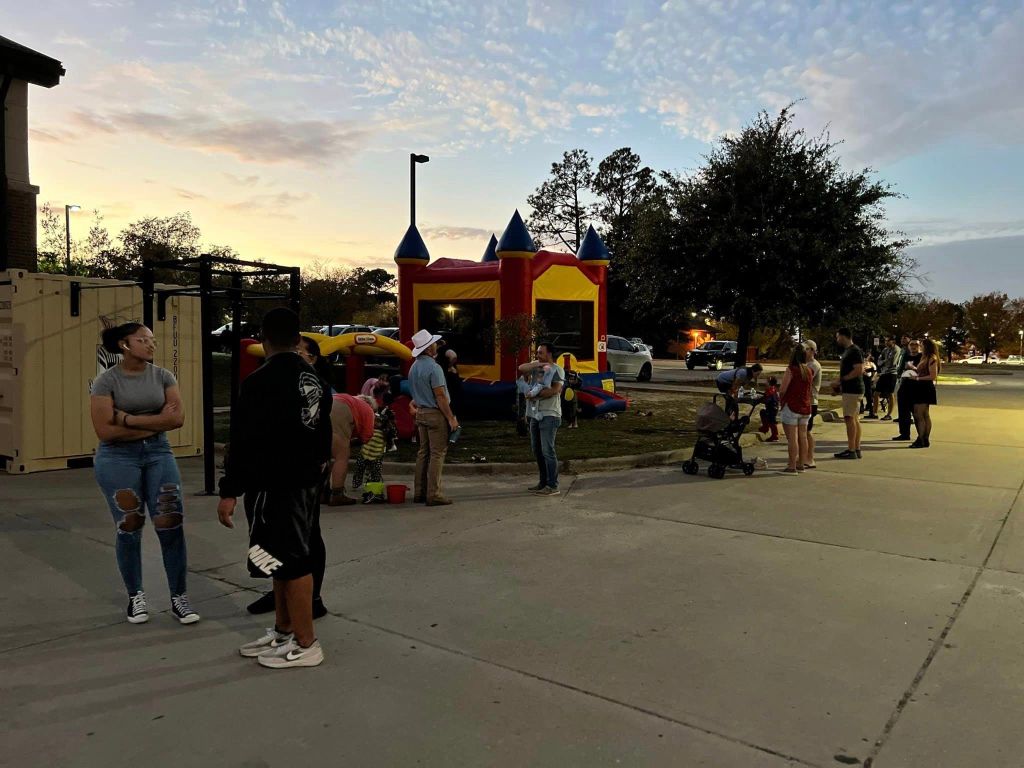
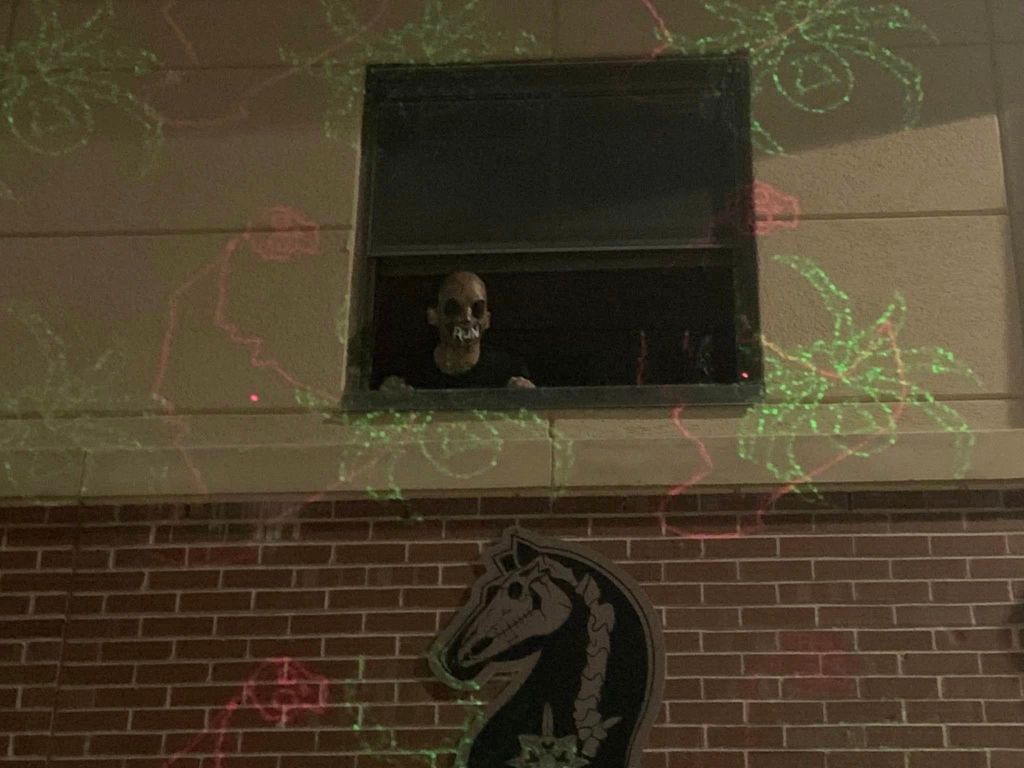
Excitement filled the air on Friday evening as our Paratroopers continued to celebrate the Halloween spirit with a Trunk or Treat, Haunted Hay Ride, and Haunted House!
Special thanks to all of the Paratroopers and their families who spent countless hours to make the events such a success.
We hope everyone has a Happy Halloween!







Combat Engineers are combat troops, they do not have a “job” to go to after PT (Physical Training) in the morning. A typical day for a 12B, in garrison, is PT (physical training) first, then personal hygiene, get in uniform, eat breakfast, then be in formation around 8:45 to 9:00 AM. Then to what ever training is on for the day. Combat Engineers, infantry, armor, and artillery train. Combat Engineers get to blow up a lot of stuff.
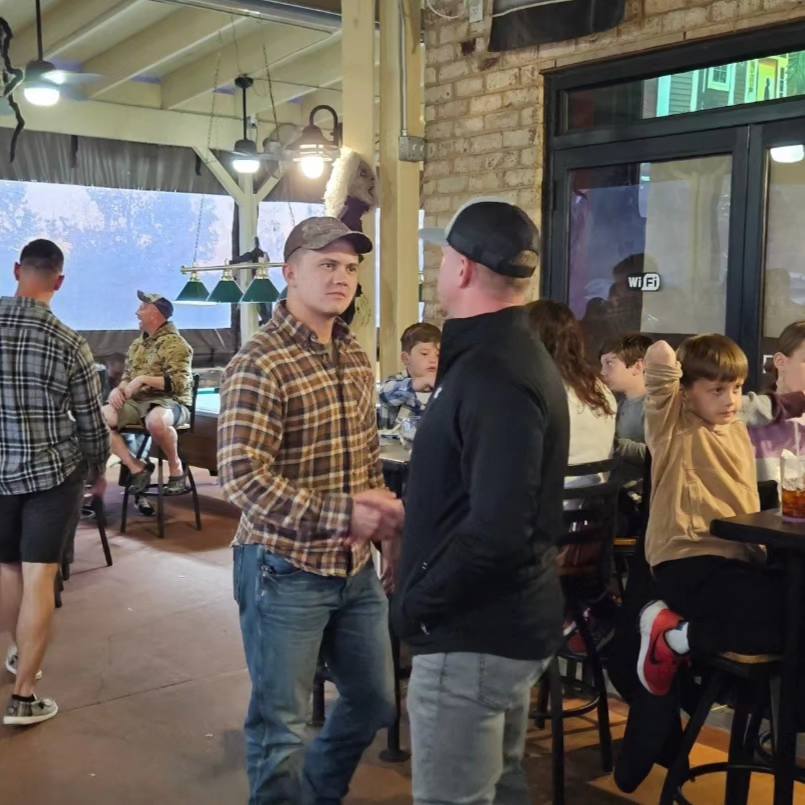
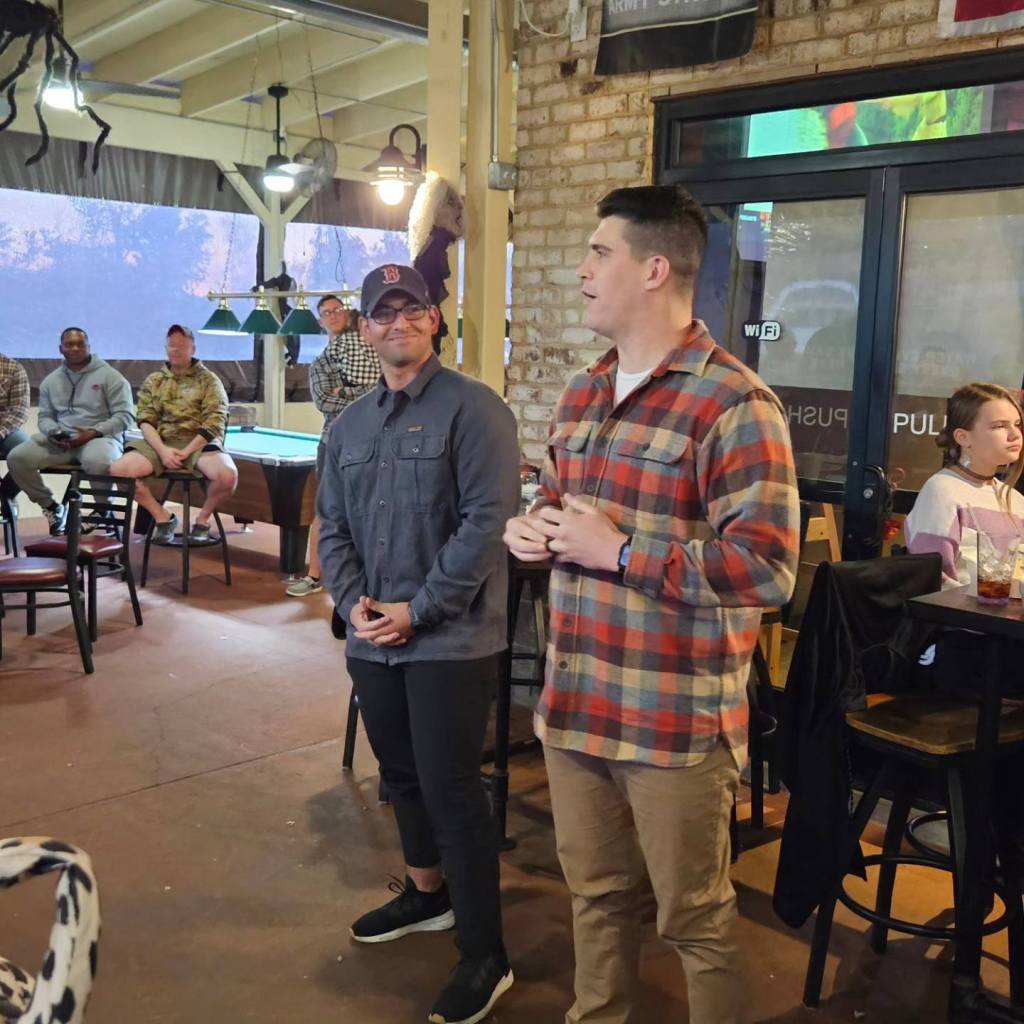
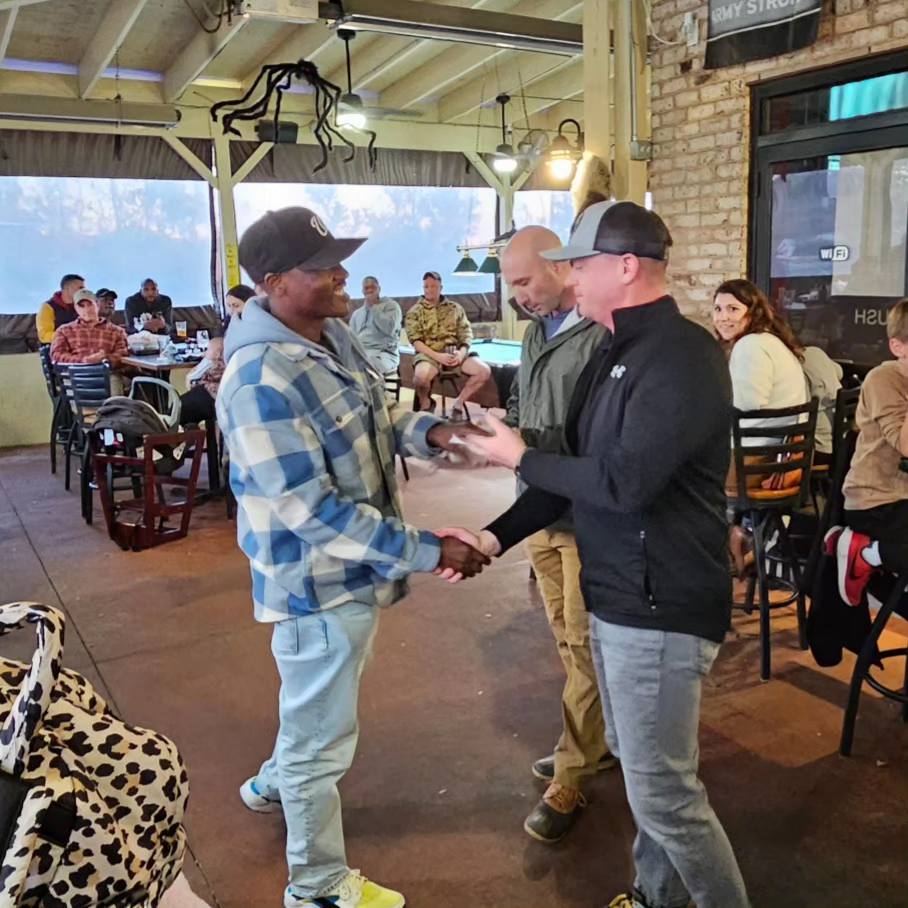
Army units really do become “family”, especially combat units and especially paratroopers. Most all units have “Hail and Fairwell” parties when someone is leaving and new folks are arriving.
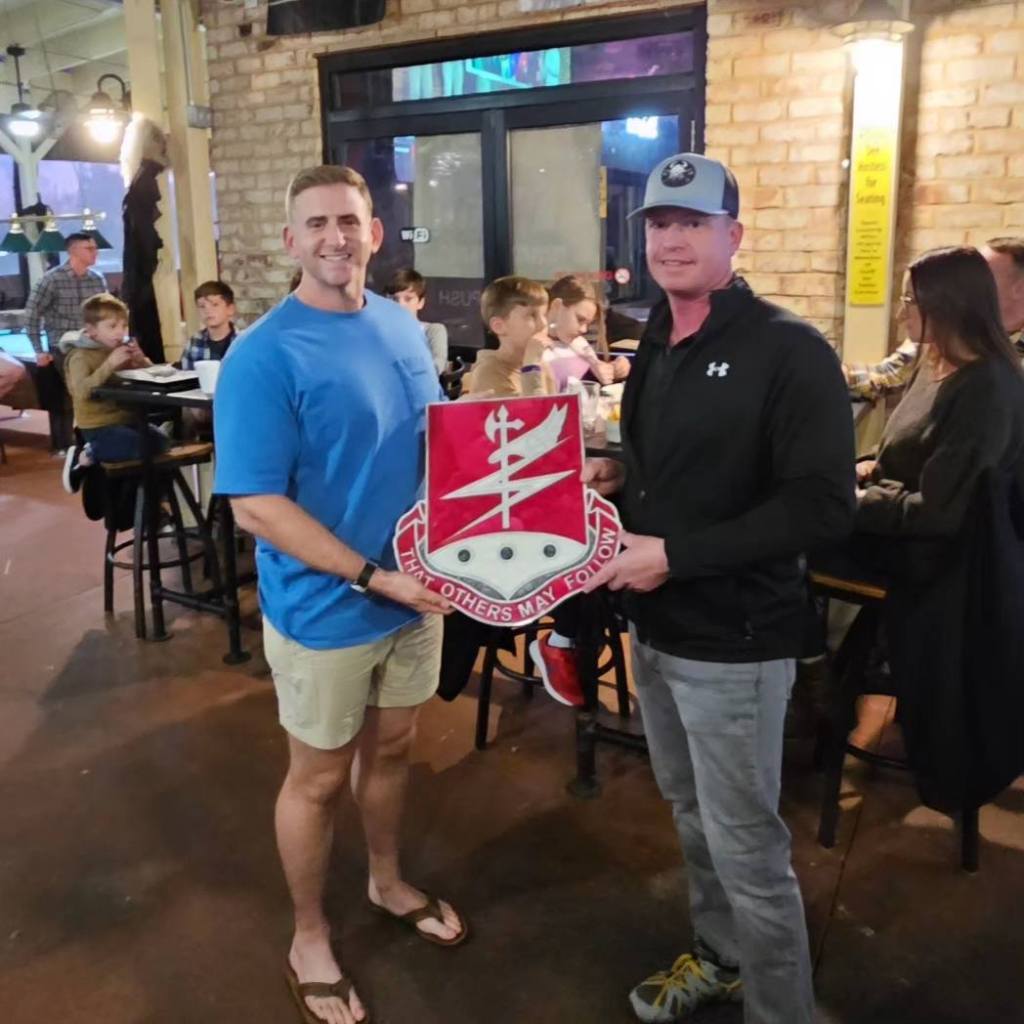
127th Airborne Engineer Battalion, 1BCT, 82nd Airborne Division
Devil Strike hosts a Hail and Farewell at the Twisted Grape in Cameron, N.C., November 1, 2023. The Battalion hailed newcomer’s, while commemorating the service of those leaving 127 AEB.



On one of my trips to Vietnam we moved to Greenville, South Carolina and were able to rent the house next door to my wife’s parents. Ideal right? She has said many times since that if to do over she would have stayed at Fort Bragg with the other army wives, who understood.
Advancement in rank in Combat Engineers is not quite as fast as in the infantry, but pretty good. A hard worker should make Sergeant within around three years.
The US Army Corps of Engineers is a proud and respected corps.
Some combat engineer humor.

 What Life in the Army is really like.
Rephrase from the vulgar but, a combat engineer fuckingawesome my son just went to Missouri to be a combat engineer I want him to be 11 Bravo infantryman cuz I’m air assault Infantry but I am very proud of my son before even reading this but not really possible I wish I could call him but he’s in basic right now all the options and everything that he’s going to train for is great his mother and I are very proud of our son he will will be a great Soldier
LikeLike
I do not agree with what they describe as the “difference between 21bs and 11bs” because I served and I went on the same Patrols attached to Infantry Units, saw combat in said Unit, etc. Sure, We are supposed to be the Experts on Mobility, Counter-Mobility, and Survivability Missions, but that is too wide a gap in whats the difference. And the Wars in Iraq and Afghanistan rapidly changed the jobs that a Combat Engineer was trained to do. I did my share of Mounted and Dismounted Patrols with the Infantry, and RCP, and a host of other things. I am sorry, but in my opinion, a Sapper could easily do ALL THE SAME TASKS THAT AN INFANTRYMAN IS TRAINED TO…however, AN INFANTRYMAN CANNOT DUE a large swathe of what we could do…especially when it came to demolitions. We made Breaching Charges, had certain set-ups to, if need be, push danger close IEDs and Mines that could safely be approached and force them out of that area. I wanted to be an Airborne Infantryman, but was told at the time there were NO SLOTS lol. So I became a Sapper, and still I went to AAS, AB, Sapper School, flight delayed before I could get to Ranger School, etc. But as I became more proficient, and began to train soldiers and learn, I realised that we could easily do the same job as and Infantry Company. THAT IS NOT TAKING ANYTHING AWAY FROM YOU GRUNTS, I GOT NOTHING BUT LOVE FOR YA LOL>>>>SAPPERS LEAD THE WAY
LikeLike
Thanks for the feedback. Maybe I’ll do an update on engineers.
LikeLike
I was a 12B in Vietnam in Feb 68 – Feb 69 and a 2nd tour from Oct 70 – Oct 71 On both tours I was a demo man. This was long before a Sapper designation was part of the glory. In my 1st tour I was with 65th Engr Bn 25th Inf Div and was in direct support of the Wolf Hounds Inf Bn. I am still disappointed (pissed off) that after 30 days in the bush the 11B received the Combat Infantry Badge. The demo man was not entitled. On my 2nd tour I supported a Rome Plow Land Clearing unit in the Americal Div. On a 2nd note. The combat engineer is the closest MOS to an infantry man and they allow females enter the ranks. I recall my 2 years in Vietnam and cannot comprehend a female being part of the team. Not that many females are physically fit to preform it is much more than that. Combat arms are not female friendly. And with 20 years in the army it is not in the best interest of combat.
LikeLike
Bobby, thanks for the comment. I have heard the same thing from WWII engineers to now. The infantry gets a badge, but the engineer beside them doesn’t. I doubt that will ever change. They now have the Combat Action Badge, but anyone can get it.
LikeLike
Should also include 12c of at least from when I was in. We went on a ton of missions in Iraq and did not build 1 bridge. A lot of security for other engineers(heavy equip, divers, horizontal construction), tons of recon (been all over that wasteland), did some demo, cleared a few structures and some other things. Had to escort a support platoon a few times as well.
We just never get talked about. 12b or c, our skills are very interchangeable. I was in 07-12 and we had sappers, quite a few airborne, .. a few AA and one pathfinder. Of course they just tabbed out meaning they made it. It’s all good though. We know what we did and what we were capable of.
Engineers Lead The away!
We Our The Breach!
LikeLike
I was an airborne combat engineer with the 65th Combat Engineer Battalion/25th Inf. Div. ’66 & ’67. These comments are right on. We went on missions with Mech, Air Assault and other Inf. units.
Near the Cambodian border we had total responsibility for securing the Artillery firebase there after the Infantry left.
So and so forth…
LikeLike
Should change this to, a day in the life of a sexual predator with CSM Compton.
LikeLike
I apologize for the late response. You are right. I took the story down when I saw your comment. I’ve updated and reposted it. I’ve known Jeremy Compton since he was a little boy, but I guess I really don’t know him.
LikeLike