I spoke at our local high school veterans day assembly and found that very few people, especially young people, out here in the country know anything about the military. So, in January 2017 I started a column in our local weekly paper, titled "Life in the Army", in an attempt to educate people about normal life in the military.
I retired from the army, as a master sergeant, in 1984. I spent a total of about 10 years in the 82nd Airborne Division, two tours in Vietnam, one with the 101st Airborne Division, one split between USARV, HQ and the 5th Special Forces Group. I was in the infantry, and in administration. I was a Drill Sergeant for two years, and three years of ROTC duty. I have tried to keep up ever since.
This was originally published in The Belle Banner, Belle Missouri March 20th, 2019. If you would like to see the current articles as they are published, you may subscribe to The Belle Banner by calling 573-859-3328, or email tcnpub3@gmail.com, or mail to The Belle Banner, PO Box 711, Belle, MO 65013. Subscription rates are; Maries, Osage, and Gasconade County = $23.55 per year, elsewhere in Missouri = $26.77, outside Missouri = $27.00, and foreign countries = $40.00.
After Fort Leonard Wood, the closest post to Belle, Missouri is Fort Leavenworth, Kansas, but I’m not including it as a possible place to be assigned, because there are not many enlisted positions there. It is the Army’s Combined Arms Center which is basically the Army Command and General Staff College, which is a yearlong course attended by new majors. The Department of Defense’s only maximum security prison is also there.
The next closest is Fort Riley, Kansas which is about 325 miles or about five hours driving time. Next is Fort Campbell, Kentucky which is about 350 miles or five and a half hours, then there is Fort Knox, Kentucky which is about 370 miles and about six hours away. Fort Riley is the home of the 1st Infantry Division, which has a shoulder patch with a red 1. In Vietnam they said; “If you’re going to be one, you might as well be a big red one”. Fort Campbell is home to the 101st Airborne Division. The 101st doesn’t jump out of airplanes anymore, but it has retained the name because it was initially organized as an airborne division. The 101st is classified as an Air Assault Division. Lots of helicopters.
This is about Fort Knox. You take I-64 east from St Louis across Indiana to exit 105, just east of Louisville, then Indiana highway 135 south into Fort Knox. That is an easy trip. I went through basic training at Fort Knox, then went back to Fort Knox, as a Master Sergeant, as cadre for the ROTC basic course.
The United States Bullion Depository is located at Fort Knox. Fort Knox does not have a combat unit. It was the Armor Center and School for 60 years, but in 2010 the Armor Center and School was moved to Fort Benning, Georgia to be co-located with the Infantry Center and School. If someone is more desirous of a support job and doesn’t want to be in a combat unit, Fort Knox may be the place. There are four major headquarters on Fort Knox, each commanded by a Major General (two stars) The US Army Cadet Command oversees the national ROTC programs.
US Army Cadet Command Headquarters
The US Army Recruiting Command supervises the entire Army recruiting operation including the recruiting brigades and battalions, the US Army parachute Team (The Golden Knights), and Army commercials.
US Army Recruiting Command Headquarters
The 1st Theater Sustainment Command is the logistical, personnel, and financial support command for US Central Command whose area of responsibility is the middle-east, Iraq, Afghanistan, and Syria. Most army war zone veterans alive will recognize that circle with the leaning arrow shoulder patch. It was called the leaning something else in Vietnam. It was 1st Log Command then and the largest command in country.
1st Theater Sustainment Command Headquarters
Then there is the giant of the four, the US Army Human Resource Command.
US Army Human Resource Command
In 2003 the Army Total Personnel Command in Alexandria, Virginia (Washington, DC – Army Headquarters) and the US Army Reserve Personnel Command in St Louis were consolidated into a newly constructed 884,000 square foot, three story building, covering 104 acres on Fort Knox to form the US Army Human Resource Command (HRC). Every personnel action from enlistment to retirement for officers and enlisted soldiers happens at HRC, assignments, reassignments, promotions, discharges, awards, and retirement. There are almost 4,000 soldiers and civilians working in that building. When HRC was activated it started a radical change in the Army. When I was in the Army you just “came down on orders”. You didn’t know when or where you were going until you got orders. Now every soldier has an AKO account (Army Knowledge Online), on which he or she can “chat” with their assignment manager at HRC. The Officer Personnel Management Directorate (OPMD) at HRC has offices with assignment officers for each officer branch in the Army. The officers assignment officers not only monitor the Army’s requirements, but they also manage the individual officers careers, presenting possible assignments that will continue to enhance the officer’s experience and education as he or she moves up in rank. The Enlisted Personnel Management Directorate (EPMD) follows the same pattern for career enlisted soldiers, plus they post on Facebook upcoming assignment requirements around the world. They try to have soldiers assigned where they want to be assigned. Nothing but positive comments from soldiers assigned there – very professional.
US Army Human Resource Command building
Fort Knox covers 109,000 acres in three counties of Kentucky. The 2018 population figures are 4,769 active duty soldiers, 2,501 Army Reserve soldiers, 6,825 civilian workers, and 6, 841 dependents living on post. It has a permanent population of just over 12,000 and a daytime working population of about 21,000. Like all Army posts, Fort Knox has a hospital, fire department, military police patrolling, a large post exchange, and a large commissary. Fort Knox also has four fitness centers/gyms, one has an indoor pool, a PGA certified 18-hole golf course, a bowling alley, and several tennis/ basketball courts and baseball/softball fields. The Fort Knox Education Center has five schools conducting evening and online classes, including the University of Louisville.
Fort Knox Family Housing
Fort Knox Lindsay Golf Course
So what Army jobs for new enlistees are on Fort Knox? My guess (Army won’t tell) is that Human Resource Specialist, Military Occupational Specialty (MOS) 42A is the largest number, probably hundreds. Followed very closely by MOS 25B Information Technology Specialist. The 25B’s are the Army’s computer guys who keep everything running. If you’re a smart person graduating from high school who wants to be a computer engineer, but you or your family doesn’t have the money for college and you don’t want to go in debt for it, enlisting for Army MOS 25B might be a valid consideration. After basic combat training, the AIT (Advanced Individual Training) for 25B is 20 weeks at Fort Gordon, Georgia (Augusta). The AIT for 42A is nine weeks at Fort Jackson, South Carolina. A person in either of those MOS’s serving a three or four enlistment at Fort Knox should leave with at least two years college, if they apply themselves, plus the computer person should all kinds of computer and network certifications. A new soldier in either of those MOS’s who makes Fort Knox their first assignment choice on their AKO, site as soon as they get to AIT, will probably get that assignment. However, the needs of the Army always come first, so that would not be a guarantee, but it would be a very good bet.
This was originally published in The Belle Banner, Belle Missouri March 6th, 2019. If you would like to see the current articles as they are published, you may subscribe to The Belle Banner by calling 573-859-3328, or email tcnpub3@gmail.com, or mail to The Belle Banner, PO Box 711, Belle, MO 65013. Subscription rates are; Maries, Osage, and Gasconade County = $23.55 per year, elsewhere in Missouri = $26.77, outside Missouri = $27.00, and foreign countries = $40.00.
Over the past couple of years I have written about Army jobs and different conditions of life in the Army. This is about where soldiers work and live – Army forts. We’ll start with Fort Leonard Wood.
Fort Leonard Wood was conceived in 1940 during the nation’s military buildup before World War II. The fort was originally planned for Iowa, but at the last minute it was discovered that there was insufficient water at the Iowa location so Pulaski County Missouri was designated as the location. Rugged terrain in the middle of the Ozarks, but with lots of water, the Big Piney and Roubidoux Creek, with large springs. There has always been a rumor at the fort that it was switched to Missouri because the Iowa delegation made Harry Truman mad, but Harry Truman was just elected to his second term as a Senator in 1940, so he wasn’t in a powerful position at that time, but he could still have been the primary influence. The government already owned some of the land, but four small communities, and 304 families had to be displaced. Some had been on their land for several generations. The fort covers more than 61,000 acres.
Officials broke ground on December 3rd 1940, and by April 20th 1941 with over 32,000 workers, who came from all over and lived in a tent city, with 73,000,000 board feet of lumber, and 50,000 cubic yards of concrete, after excavating 3,000,000 cubic yards of dirt, all the while fighting wet weather, dragging trucks through the mud with bulldozers, had constructed 27 miles of railroad, 56 miles of roads and streets, 60 miles of water lines, 52 miles of sewer lines, 34 miles of electric lines, 1,537 permanent buildings and 250 temporary buildings. By June of 1941 Fort Leonard was completed and troops were training there.
Employee Tent City at Fort Leonard Wood 1941
Building Fort Leonard Wood Winter and Spring 1941
General Leonard Wood Army Community Hospital (GLWACH)
Editors note: A $296 million dollar design/build contract was awarded in August 2019 for a new hospital at Fort Leonard Wood.
Fort Leonard Wood was deactivated after World War II, and much of the land was leased to cattle farmers, with only a skeleton caretaker crew remaining on the fort. It was reactivated during the Korean War, and due to cold war concerns was made a permanent installation. Troops who trained there, at that time, called it “Little Korea”, rugged rocky terrain, hot in the summer, and cold in the winter. In 1956 it was designated as the US Army Engineer Training Center. Major construction took place in 1950’s and 1960’s. In 1967 alone 120,000 troops were trained for Vietnam, at Fort Leonard Wood. By then troops referred to it as “Fort Lost in the Woods”, isolated with nothing off post. Then in 1990 the US Army Engineer Center and School moved from Fort Belvoir, Virginia to Fort Leonard Wood, after a 60 million dollar state-of-the-art education and training facility was constructed.
Fort Leonard Wood Post Headquarters and Engineer Center
In 1999 the Military Police Center and School and the CBRN (Chemical Biological Radiological Nuclear) Center and School moved from Fort McClellan, Alabama to Fort Leonard Wood and it was re-designated as the Maneuver Support Center. It was around that time that construction on and off post went into high gear. Out in the woods, on Fort Leonard Wood, is the most advanced Chemical Defense Training Facility in the world. The post museum is very large and fantastic.
Chemical Defense Training Facility
The latest population figures for Fort Leonard Wood, released in 2018, are; 10,987 active duty soldiers, sailors, marines, and airmen, 854 Army Reserve soldiers, 3,879 civilian employees, and 11,376 dependents living on post. Off post, Waynesville and St Robert each have a population of around 5,500, and St Robert has dozens of retail outlets, restaurants, and shops.
Sierra Redmond graduated college with a degree in journalism and married her high school sweetheart who had enlisted in the Army as a military policeman. Realizing there could be frequent moves with the Army which would detract from long term employment as a journalist, she became a blogger who writes a post called “Daily Impressions” for army wives. Their first permanent assignment was Fort Leonard Wood. She said that she heard the stories, “There’s nothing to do there.” “The post is so small you’ll hate it.” She wrote; “quite honestly, it was the best three years of our lives. It is one of the most family orientated posts. It is small, so it is easy to get around, and everybody knows everybody, from the top to the bottom of the chain of command.” She raved about how friendly and pro-military Waynesville and St Robert are, about the stores, and the things to do and see on and off post. Wives in the armywifenetwork.com called it the “Post with the most”. There are dozens of baseball/softball fields, and volleyball/basketball/tennis courts scattered around the post, and most are occupied almost every night during the warm season. Fishermen and hunters call Fort Leonard Wood – Paradise.
Fort Ladder Truck # 1
So, if you were counting, Fort Leonard Wood is a city of about 20,000, with a daytime working population of around 25,000. It has a large full service hospital and a fully manned Fire Department with two Fire Stations, one on Forney Army Airfield, which also serves as the local airport and has multiple commercial flights daily between St Louis and Fort Leonard Wood, with rental car offices in the terminal. Military Police man the entrance gates and conduct routine patrols throughout post 24 hours a day, seven days a week. A Desk Sergeant is on duty 24/7 at the MP Station. There is a large new Post Exchange (PX) and several annexes. The PX is like a Walmart supercenter, but without the groceries, those are in the very large commissary. In the old PX building is the military clothing sales store, restaurants, Class 6 (liquor store), and various venders.
Government owned family housing was privatized on Fort Leonard Wood in 2005 to American Eagle Communities Midwest. Department of Defense apparently wasn’t satisfied with the performance because in 2008 Fort Leonard Wood was switched to Balfour Beatty Communities. Most of the old government housing was demolished and new houses built. The old housing that remained was remodeled. I couldn’t find any on post housing complaints within the past five years, but with recent news of some substandard military housing General Mark Milley, the Chief of Staff of the Army said that he wanted to find out how big is the problem, and find out fast. Dr Mark Esper, the Secretary of the Army directed that every army family living in government housing be visited during the month of March. That is 86,000 families. He also directed that there would be absolutely no retaliation against anyone complaining about housing conditions. Every Army installation has had town hall meetings. A town hall meeting was held on Fort Leonard Wood Wednesday evening, February 27th. Company Commanders and First Sergeants are to visit every one of their families living on post. They are not to make appointments, but keep going until they have visited everyone. They are not to enter the house unless invited in by a family member.
Eagle Point Housing on Fort Leonard Wood available to Private E-1 thru SGM E-9
So how would a person enlisting in the Army get assigned to Fort Leonard Wood? There can be some planning, but ultimately the needs of the Army determine who goes where. There are four main high population jobs trained at Fort Leonard, Combat Engineer, Military Police, CBRN Specialist, and Truck Driver. There is only one battalion of combat engineers permanently assigned at the post, and there is one permanent battalion of military police, so those are small possibilities. There are some CBRN specialists and some truck drivers, but not that many. There are two MOS’s (Military Occupational Specialty) (jobs) that are fairly numerous on Fort Leonard Wood. Those are Human Resource Specialist (MOS 42A), and Unit Supply Specialist (MOS 92Y). After completing Basic Combat Training, the AIT (Advanced Individual Training) for 42A is 9 weeks at Fort Jackson, South Carolina. The AIT for 92Y is 9 weeks at Fort Lee, Virginia. There are also a good number of paralegals (MOS 27D) on Fort Leonard Wood. The 27D AIT is 11 weeks also at Fort Lee.
So if someone wants to enlist in the Army and be close to home, at the start of AIT on your AKO (Army Knowledge Online) site, at the ASK key (Assignment Satisfaction Key) list Fort Leonard Wood as your first choice. After Fort Leonard Wood, the closest post to Belle, MO is Fort Riley, Kansas, with Fort’s Knox and Campbell, Kentucky about tied at about 30 miles further. In the coming weeks we will explore those Army posts.
To visit Fort Leonard Wood, if you don’t have a Department of Defense ID Card, a Missouri drivers licenses is not sufficient identification, you must also have either a passport, a certified birth certificate (not a copy), a social security card (not a copy), a draft record or a DD 214.
This was originally published in The Belle Banner, Belle, Missouri, October 30th 2019. If you would like to subscribe to The Belle Banner, you can call 573-859-3328 or mail to PO Box 711, Belle, MO 65013. Subscription rates are; $23.55 for Maries, Osage, and Gasconade counties, $26.77 for elsewhere in Missouri, $27.00 for outside of Missouri, and $40.00 for foreign countries.
We have become an overweight, soft, out of shape society. Why?
As a little boy, I spent a lot of time at my grandparents’ house. They were 60 years old before they had electricity. They cooked and heated with wood, which had to be cut, sawed, carried in and placed in the stoves. They milked cows every morning, separated the cream, made butter and cottage cheese. They grew a large garden, most of which had to be canned in the fall. Fall was also butchering time, steers and hogs. Pork was salted down and placed on racks in the smoke house, and beef was smoked and dried or canned. They had chickens for eggs and meat. Sweets, cakes and pies were special. Hay was cut and put up loose in the summer, because in the winter the cows still had to be milked and fed even when there was snow on the ground. Family and neighbors helped each other. They lived through the Great Depression. They were not overweight. They were slim and tough.
During World War II, the United States of America put almost 12 million men in uniform. When America came home from the war, life started getting better. The war jump started a great economy, jobs were plentiful and electricity reached rural America. My father was the general contractor who built most of the rural electric lines, for Three Rivers Electric Coop, in this area in 1949 and 1950. We got our first television in 1955. The TV was for night viewing, not daytime. Perhaps TV was the start of soft kids, because daytime TV soon followed, and many of our parents, who had grown up during the Great Depression and lived through World War II, wanted their children to have things better than they had. Parents relaxed discipline, and many stopped attending church. Spanking an unruly kid in public became a crime. Now, some parents even defend their undisciplined children to teachers and school staff. Physical education was reduced or made not mandatory in many schools. The term “Couch Potato” was born. I know people who were normal slim kids who left home, got married and apparently got addicted to soft drinks and chips, and now in their old age, 50’s and 60’s, they have serious health issues.
The America I grew up in has been under attack all of my life. In 1941, after the Soviet Union attacked Finland, Finnish soldiers found a charred Soviet code book and passed it to the OSS (Office of Strategic Services), the forerunner of the CIA. Using that code book, in February 1943 the US Army Signal Intelligence Service started the “Venona Project”, which was the intercepting and decrypting of messages from Soviet intelligence agencies. That project ran until October 1980, and many of the messages were declassified and released to the public in 1995. The released messages removed any doubt as to the guilt of the Rosenberg’s. Julius and Ethel Rosenberg, husband and wife, were convicted and executed by electric chair in June 1953 for treason, the passing of US atomic secrets to the Soviet Union. Also, in the early 1950’s Senator Joseph McCarthy, from Wisconsin, claimed that communists had infiltrated our government. In 1953, starting his second term, he chaired the Senate Committee on Government Operations. He held hearings and charged many government employees as being communists, and many lost their jobs, but when he went after the US Army and the hearings were broadcast on national television, people saw an overbearing and intimidating Senator McCarthy. He lost his power and was censured by the Senate. The press ridiculed him, saying that he saw a communist behind every bush. The release of the Venona Project files, revealed that there were, in fact, communists in very high positions in our federal government, and that they were targeting the United States education system.
When the Vietnam war cranked up in 1966, President Johnson eliminated student deferments to the draft. Student organizations against the war sprang up all over the country, most all were either solidly communist or organized and ran by communist sympathizers. Students for a Democratic Society (SDS) and Weather Underground were two of the most solidly communist. Many of those protestors stayed in college, becoming ‘professional students’, achieving masters and doctorate degrees and then becoming university and college professors, teaching that socialism (communism) is the “most fair” form of government. We now have a couple generations of elementary and high school teachers who have been taught socialism. Many did not accept the premise of socialism, but many did. Communists (socialists) hate religion, because a belief in God infers a higher power than the state (government), and for socialism to be implemented the government must have ultimate power, so for the past 50 years religion has been under active attack. Schools and government organizations have been forbidden to make any reference to God.
Now we have many young people graduating from high school who are not physically fit, have no self-discipline, and little, if any, respect for authority. Many would rather play video games, or their cell phone than baseball, basketball, or football.
There are about 34 million Americans between the ages of 17 and 24. Of that 34 million, 71%, 24 million are ineligible to serve in the military, even if they wanted to, because of obesity, no high school diploma, or criminal or drug use record. Of the 10 million who are eligible, only about one percent, according to the Department of Defense, are inclined to have any conversation about military service. The US military comprises about .04 percent of the US population.
When the “me generation” started coming from the couch and the computer into the Army, the Army adjusted. Basic Combat Training (BCT) became easier, drill sergeants changed the way they dealt with young people who questioned everything and had never been yelled at, some never having been corrected about anything. The result was undisciplined, out of shape, untrained soldiers going out into the Army. The first war in Iraq, Desert Storm in 1990, revealed that support soldiers were out of shape and not proficient with their weapons, and the Army started relying too heavily on technology allowing combat soldiers to navigate with GPS, without basic land navigation training. Then the wars in Iraq and Afghanistan displayed the need for soldiers to be in much better physical condition. A few years ago, there was a leadership change in the Army, and with it a complete change in attitude. Strict discipline is now the norm in Basic Combat Training, which is now as tough as it has been since World War II. Infantry training has been extended, with armor and combat engineers to follow.
After years of study of events that would reveal how prepared soldiers are for combat, the ACFT (Army Combat Fitness Test) has arrived, and by October 1st 2020 it will be the norm throughout the Army, including Basic Combat Training. It is six event test that does require extra equipment, and a change in physical training. Weight lifting, dead weight draging, backward medicine ball throw, chest on ground hand release pushup, a 2 mile run, and the leg tuck, which is holding a horizontal bar and bringing the knees up to touch the elbows. There is no adjustment for age or gender. The standards are the same for men and women regardless of age. It is a test to show how prepared a soldier is for combat. There are now women in the infantry – the standards are the same for all.
Staff Sgt. Cassandra Black, 70th Regional Training Institute, Maryland National Guard, participates in the leg-tuck portion of the Army Combat Fitness Test (AFCT) May 17, 2019, during the Region II Best Warrior Competition at Camp Dawson, West Virginia. This four-day event is designed to measure the physical abilities, leadership skills, teamwork and critical thinking of Soldiers from the West Virginia, District of Columbia, Pennsylvania, Delaware, Maryland and Virginia Army National Guards while completing basic and advanced warrior tasks to crown the region’s best warrior. (U.S. Army National Guard photo by Bo Wriston)
Army uniforms are also changing. The new Army uniform, which will start being issued next summer, 2020, is almost a knock off of the World War II uniform, down to the brown shoes. The current blue uniform will be kept for formal wear. Basic soldiering in this ultra hi-tech Army is going back to its roots in World War II. While attempting to increase the size of the Army, standards have not been lowered, and training is longer and harder.
New Army uniforms compared to World War II uniform.
I have written before about how the United States Army is the most feared army in the world, not because of size or weaponry or technology, but because of the trust and confidence placed in the individual soldier. If an infantry company is helicoptered into a hot area and becomes scattered, individual soldiers form together, because all have been briefed on the complete mission, and they attack their objectives, even if there are no officers or sergeants present. None of our potential adversaries can do that. The US Army is the smartest, the most morally healthy, best trained, and will soon be the most physically fit army in the world
Paratrooper in the air and landing.
So, who is going into our Army now? A former Belle girl, Haley Shanks, graduated from Basic Combat Training at Fort Jackson, South Carolina on October 17th. The guest speaker at the graduation ceremony was Command Sergeant Major (CSM) Martin S. Celestine, who is the CSM of the Infantry and Armor Center and Fort Benning, Georgia. In his remarks, he gave some details about the group graduating from BCT. They ranged in age from 17 to 39, yes 39, they came from 48 states, and an ethnic background of 30 countries. This may surprise many people. Forty one percent (41%) of the 1,123 new soldiers on the field, that day, had at least an Associates Degree, thirty nine percent (39%) had bachelor’s degrees, and six percent (6%) had masters degrees.
Haley Shanks BCT company passing in review.
2nd Battalion 39th Infantry BCT Graduation 17 Oct 2019.
Haley is now at Fort Benning, Georgia, where in three weeks she will make five parachute jumps, two with combat equipment, one of them at night and become a US Army Paratrooper. Then, on to Fort Lee, Virginia where she will learn how to pack all kinds of parachutes, and rig heavy drops from pallets to small tanks, becoming a parachute rigger. HOOAH!!!!
This was originally published in The Belle Banner, Belle Missouri June 4th 2018. If you would like to see the current articles as they are published, you may subscribe to The Belle Banner by calling 573-859-3328, or email tcnpub3@gmail.com, or mail to The Belle Banner, PO Box 711, Belle, MO 65013. Subscription rates are; Maries, Osage, and Gasconade County = $23.55 per year, elsewhere in Missouri = $26.77, outside Missouri = $27.00, and foreign countries = $40.00.
This is just some war stories, but not the kind that is conjured up by the term “war stories”, so I’ll just call them “Army Stories”. Some are funny, some are not, some are funny only to the people involved, some are just interesting, but they are about life in the Army.
A Rifle Platoon Sergeant in the infantry runs a platoon of about 40 soldiers. The Platoon Leader, the lieutenant, leads the platoon. In the infantry, Rifle Platoon Leader is the very first assignment (job) a new lieutenant gets, after he has completed all of his initial training. In the field the Platoon Leader leads and directs combat operations and the Platoon Sergeants’ job is officially beans and bullets. Making sure that everyone has what they should have. Unofficially one of the Platoon Sergeants’ primary jobs is to train his lieutenant. Good Platoon Sergeants understand that and take it as a responsibility. Good lieutenants also understand it and welcome the years of experience from their platoon sergeant. Most of the time that works very well, sometimes it doesn’t.
One of my platoon leaders graduated second in his class at West Point. He was extremely smart, but he knew it and thought that he was smarter than everyone else. I also had a new lieutenant who had grown up in the Army. His father was a Colonel and his wife’s father was a Colonel. He graduated from ROTC, and he was completely familiar with army life. He was all open and eager to learn. Shortly after he arrived, our company commander (Captain) took him to a briefing at Battalion Headquarters for an upcoming operation. When the briefer said; “This is a joint exercise, so when you call for tac air (meaning tactical air support, i.e. jet fighters attacking positions you are requesting them to attack), you get tac air. My lieutenant blurts out “Ohh WOW”!!. The captain said, “shut up …..” listen to the briefing”. He was a good lieutenant, he would listen to anyone who made sense. The troops liked him, and when the troops like a lieutenant, look out. When the troops don’t like a lieutenant, they leave him alone, but when they like him, and they consider him one of them, he is free game. Somehow exlax got into his canteen in the field. I don’t think he ever knew why he had problems on that field exercise. I found out later, but not who did it. I was proud of him, because in six months he was moved to be Platoon Leader of the Battalion Reconnaissance Platoon, which is usually reserved for the best infantry lieutenant in the battalion.
During a training exercise, my company jumped into Sardinia in 1978 and made CBS evening news. About 120 paratroopers jumped that day, we had over 30 injured including a couple broken arms, mild concussions and one broken leg. When my parachute opened I thought for a second that I was disoriented because the wind wasn’t right. Then I realized that it was the wind. The wind was way too strong for a parachute jump. We had MC1 steerable chutes with hand toggles, very maneuverable, and you always face into the wind when landing. The wind was so strong that it was pushing in on the wind side of my canopy. I hit the ground heels first, did a backward flip through my suspension lines and went about 50 yards through a briar patch before I could release one side of my canopy. Nothing hurt. Our First Sergeant who had spent 20 years in Special Forces and had jumped in all kinds of adverse conditions, realized what was happening and released his canopy the second he hit the ground. We stopped the war gaming long enough to get the injured treated and separated into those who could continue and those who would be evacuated back to Italy or to a hospital in Germany. One of my Squad Leaders, a Staff Sergeant named Joe, really got his bell rung. When we finally gathered to move out, Joe had that horizon blank stare in his eyes, wasn’t walking steady, and didn’t seem fully aware of what was happening. We sent Joe back to Italy and it was a couple days before he was completely normal.
A formal investigation following that jump discovered what had happened, and caused a change in drop zone control. On every training parachute jump there was a Drop Zone Safety Officer and a Sergeant assistant, usually from the unit jumping, and an Air Force Tactical Air Control Team. They had wind machines to monitor wind speed and direction. Training parachute jumps are allowed in wind speeds up to about 12 knots, wind speeds of 13 knots (about 15 miles per hour) or over usually cancel the jump. The drop zone for that jump was about 3,000 meters long and was next to the ocean. The drop zone control party had set up at the lead end of the drop zone, which was normal, be where the jump starts. They were monitoring winds of 11 to 12 knots, which were approaching borderline, but still within safe jumping conditions. However, about halfway down the drop zone the ground was slightly higher catching the strong ocean winds. After that, drop zone safety teams had to survey the entire drop zone. The general consensus was that we jumped in 35 to 40 mile an hour winds.
The Army started using GPS, just like everyone else, especially in Iraq, except what the military uses is much more accurate and reliable than what civilians get to use. And the Army apparently became so dependent on GPS that it was ignoring plain old land navigation with a paper map and a compass. Because in the past couple years there has been a renewed and increased emphasis on teaching and testing land navigation. If technology breaks down, soldiers on the ground have to be able to navigate. This is one of my land nav stories. During a war gaming exercise in mountains in Norway my company was in the process of getting everyone in position to start the exercise. My platoon was the first to arrive in the area and get in position. Another platoon was to be located a couple mountains west of us. Our Company Commander (CO) ask me to go with him, via helicopter, to show me the location of the other platoon, because he had to go to a meeting. When the other platoon arrived I jumped in the bird with the Platoon Leader and rode with them to their location. The helicopters dropped us and left. After I pointed out the parameters of the location to the Platoon Leader and Platoon Sergeant, I had nothing else to do there. My platoon was located about three kilometers away, on the map. In mountains that can be a long way. It was late afternoon and the sun was already very low, but I wanted to be with my platoon. My Platoon Leader was a good lieutenant and very competent, but I wasn’t there. I had a map, a compass, and a radio, so I started home. By the time I got down the side of that mountain it was dark and no moon. As I got back on high ground I could see a house light in a valley in the distance and the lights of a car on a road travel from left to right past that house. Our platoon radio operator, Specialist White, was as sharp as they come and was with my platoon. White could also see the house light. Every time a car moved on the road White gave me the azimuth when the car moved between him and the house, I checked my azimuth. After several hours of sliding down banks and climbing up them and running into trees, our azimuths were getting very close. Finally I sat down and waited for the next car, we were on the same azimuth. I sat there for a few minutes contemplating my next move when I heard someone cough. I asked White if some just coughed, they did. They were about 50 feet to my rear.
One of the best infantry company commanders (CO’s) I served under, also had a great sense of humor. When playing army in the field, blank ammunition is used in rifles and machineguns, at that time blanks were not manufactured for .45 caliber pistols. Our CO disagreed with a captain in our battalion operations section about a certain aspect of the current field exercise. Our captain wrapped an M-16 blank cartridge with duck-tape until it fit perfectively in his .45, and when the headquarters captain visited our company command post, in the field, to discuss the exercise, our captain started an argument. The argument heated up, and our captain stepped back and said; “If you don’t like it, I’ll just shoot you”. And BANG, a blank fired in a pistol sounds very much like the real thing. For a few seconds there was no sound, only big eyes and open mouths, then laughter and finally laughter by all, and the disagreement was resolved.
One time I was working for a colonel when he was promoted to brigadier general. When he was first promoted he would come in the office laughing about his new experiences. He always drove to work in his PT (Physical Training) clothes, sweats or shorts and T-shirt. One morning he was stopped at a routine Military Police check point. The young MP checking licenses and ID cards asked, “Sir, what does “BG” mean?” He answered, “That means Brigadier General.” The young man said, “I was afraid that’s what it meant.”
This was published in The Belle Banner, July 17th 2019.
I recently wrote about taking ROTC in college. Many people start college unsure of what they want to do in life, and decide on a final major when they discover an interesting subject. Why not consider a career as a professional army officer. It is a respected career, whose products becomes business leaders, politicians, and even presidents.
The majority of Army officers come through ROTC (Reserve Officer Training Corps). Upon graduating from college with a bachelor’s degree and completing the military science program they are commissioned as second lieutenants. Upon commissioning, they are also branched into one of the army’s 16 basic branches, which are; Adjutant Generals Corps – Human Resource people who run the army personnel systems, Air Defense Artillery – shooting things in the air, Armor/Cavalry – Tanks and reconnaissance, Aviation – fly helicopters, Chemical Corps – Supervise chemical, biological, radiological, and nuclear defense and offense, Engineers – Combat Engineers build things and blow up things, Field Artillery – Big guns that shoot big bullets for miles, Finance Corps – The money managers, Infantry – Combat with the enemy, Medical Services – Doctors, nurses, specialists, and administrators of the army health system, Military Intelligence – Finding the enemies secrets, Military Police – The cops, Ordnance Corps – The maintainers of weapons and munitions systems, Quartermaster Corps – Supervise the army’s massive supply system, Signal Corps – Supervising everything signal from radios to satellite communications to computer hackers, and Transportation Corps – Moving the Army – people and things by truck, rail, and water.
What type of college degree matches to what army branch? Answer – It doesn’t make much difference. The army’s first requirement for an officer is that he or she has a bachelor’s degree. I’ve known business administration majors in infantry, adjutant general’s corps, and quartermaster corps. One of the best infantry officers I knew had a degree in physical education, I knew a couple very good infantry officers who had degrees in psychology, and a couple were sociology majors. History with emphasis on military history probably aligns closest to the infantry. Ordnance, Transportation, and Quartermaster officers can transition into the higher level composite “Logistics Corps” as captains around four to five years of service. A bachelor’s degree in logistics management, which is now being offered by some schools, would be an ideal education base for those branches. Logistics managers are also highly valued in civilian industry. Starting salary around $55 to $60 thousand, older experienced managers around $120 to $150, national average around $75 thousand.
The first thing a new second lieutenant does is attend an officer basic leadership course (OBLC), most are about three months long, conducted at the army post where his or her branch school is located. Fort Leonard Wood is home to Engineers, Military Police, and the Chemical Corps. Infantry and Armor are at Fort Benning, Georgia, Adjutant Generals Corps at Fort Jackson, South Carolina, and Ordnance, Transportation, and Quartermaster are at Fort Lee, Virginia. At their OBLC, second lieutenants are taught what they need to know to perform as lieutenants in their branch. There may be some specialty schools after OBLC such airborne (parachute) school, then they are assigned to their first job.
Quartermaster Basic Officer Leadership Course Graduation
When second lieutenants begin their first job, they begin to realize the difference between enlisted soldiers and officers. Enlisted soldiers are not dumb. Dumb people can’t get in the Army now, and most senior sergeants now have bachelor’s degrees, but enlisted soldiers are the workers and officers are the managers. Senior Command Sergeants Major, old enough to be the lieutenant’s father, salutes the newest Second Lieutenant and calls him sir or her ma am. First jobs for second lieutenants are usually a platoon or a section where he or she is the leader and a senior sergeant, a Staff Sergeant, Sergeant First Class, or a Master Sergeant is the NCOIC (Non-commissioned officer in charge). Most sergeants in those positions accept that part of their job is to train their lieutenant, whether or not the lieutenant realizes he or she is being trained.
Quartermaster First Lieutenant Yarita Torres Rigger Platoon Leader 173rd Airborne Brigade briefs Major General John R O’Conner Commander 21st Theater Support Command.
Smart lieutenants, in their first job, absorb all the experience and knowledge they can from their sergeants. They hear a lot of advice from their sergeants, but the lieutenant is still the boss. The lieutenant is the leader and as an old combat general once said; “The leader (officer) is the first boots on the ground and the last boots in the chow line”, meaning that the officer sets an example for personal conduct, enthusiasm for the task at hand, and concern for the soldiers under him or her. The lieutenant is responsible for accomplishment of the mission and for the welfare of his or her soldiers. Officers and enlisted soldiers do not socialize together, except at organized functions such as unit parties, anything outside of that type of setting is fraternization, which is against the law in the military. Officers socialize with officers.
New lieutenants are usually in that first job for around six to nine months, then depending on branch and availability of jobs they are moved to a job of more responsibility. A larger, more complex platoon, or a staff section of more responsibility. Second lieutenants are promoted to first lieutenant around 18 months time in service. First lieutenants are company executive officers, meaning they are the second in command of a unit of 100 to 250 soldiers, they also move up in staff jobs, often working in positions requiring a captain.
Lieutenants commissioned from a normal ROTC program are committed to three years active duty, or four years for ROTC scholarship recipients. Most officers are promoted to captain around the four year mark, which often coincides with their decision to extend their active duty or leave the service. Captains, who are remaining on active duty, attend a six month long Captains Career Course at their branch school. That is a permanent change of station, with quarters provided for the captain and his or her family. The Captains Career Course is to prepare them for company command and battalion level staff work, after that course they are assigned to a unit where they may command a company, which is normally a year to two year job, or they may go to a specialty assignment such as ROTC instructor, Reserve Component Advisor, or Recruiting supervisor. Officers serve as captains for around six years before they are considered for promotion to Major. During that time they are encouraged to get a masters degree, some do that at night and online, some are given the time to attend full time, and some are sent to graduate school, while on active duty, paid for by the Army.
Promotion to major happens around the 10 to 11 year mark, and most new majors attend the one year long Command and General Staff College at Fort Leavenworth, Kansas. That is also a permanent change of station, with family quarters provided. That course teaches strategic thinking for army level staff work, and preparation for battalion command. There aren’t many command jobs for majors, but there are a lot of staff jobs. In combat arms battalions, majors serve as battalion executive officers and battalion operations officers.
Consideration for promotion to lieutenant colonel happens around the officers 15 to 16 year mark. The boards which select officers for lieutenant colonel also select some for battalion command. Battalions usually consist of 800 to 1,000 soldiers’ in five or six companies. Battalion command is normally a two year job. Lieutenant colonels also head division (two star) level staff sections, G1 Personnel, G2 Intelligence, G3 Operations and Training, and G4 Logistics.
Lieutenant Colonel Elizabeth Curtis (at that time) Commander of the 407th Brigade Support Battalion, 82nd Airborne Division, with retired four star Ann Dunwoody, who also commanded that battalion 1992-1994.
Promotion to full Colonel, if it happens, is around the 20 year mark. Colonels command brigades consisting five or six battalions. Colonels also attend a year long “War College” which is a course in national level strategic thinking. Colonels are also the principal staff officers at corps (three star) level commands.
Army officer pay chart
Life as an army officer is very different from life as an enlisted soldier. Officers are paid much more than sergeants, but they are also responsible for much more. The most wrong description of army officers I have heard, by people who not familiar with the military, is that they always have to give orders. In 21 years, I never heard, “I am ordering you” or “that is an order”. An officer saying that usually means that they have failed at leadership. Officers are leaders. Leaders lead by setting an example, by encouraging and inspiring soldiers to want to do what must be done.
Serving as an army officer is an exhilarating and tremendously satisfying career.
This was originally published in The Belle Banner, Belle, Missouri January 17th 2018.
AIRBORNE!! ALL THE WAY!!! I’ve written repeatedly and preached about going airborne if you are going into the Army, well this is about airborne school. It is easy.
New soldiers who have been through basic training and have completed Advanced Individual Training (AIT), such as Human Resource Specialist at Fort Jackson, South Carolina, or Unit Supply Specialist or Allied Trades Specialist at Fort Lee, Virginia, or Combat Medic at Fort Sam Houston (San Antonio), Texas, or Geospatial Engineer or Combat Engineer at Fort Leonard Wood, or any of dozens of schools and locations, who have the Airborne Option in their contract, will be assigned to the 1st Battalion, 507th Parachute Infantry Regiment (PIR) at Fort Benning, Georgia, to attend the Basic Airborne Course. In house, it is called “Jump School”. The biggest surprise for new soldiers, who have been supervised by Drill Sergeants since they enlisted, in reporting to Building 2747, the 1st 507th Headquarters, located at 7481 Riordon Street, is that they are on their own.
Upon signing in at the headquarters, students are told what building they will be living in, males and females are in separate buildings or separate floors. Everyone lives in an open bay, enlisted and officers separated by a wall. Students are all ranks, privates, new lieutenants, sergeants, captains, and they are from all services, Marines, Sailors, and Airmen. Occasionally a Sergeant Major or a Colonel is a student. I went through with three Air Force Majors, who had been fighter pilots and were switching over to troop carriers. They were going through airborne school so they would know what was happening when they dropped paratroopers. Airborne operations level the ranks. There are only two types of people in the hold of an airplane full of paratroopers, jumper and jumpmaster. The jumpmaster may be a sergeant, a captain or a colonel, but whatever his rank the jumpmaster has absolute charge of an airplane full of jumpers.
The instructors are very “laid back”, they don’t yell or demand, they are very professional. They are there to teach a skill, how to safely jump out of an airplane. EARLY the first thing on the first morning is the PT test. It starts at 0330, yes that’s 3:30 AM. Pushups and situps have to be done correctly or they don’t count. Males have to do a minimum of 42 correct pushups in two minutes, females 19 is the minimum. Both males and females have to do a minimum of 53 situps in two minutes. The maximum time for males for the two mile run is 15:54, females is 18:54. The flex arm hang is for both males and females. It is a pull up, palms facing the body, start from hanging on the bar, pull up chin above the bar and hold there for 20 seconds. Some females may have to prepare for this. That PT test is no joke, many drill sergeants in basic and AIT will count a pushup or situp that would not be counted at Airborne School. They don’t care what your score is after you meet the minimum requirements. If a person doesn’t come all the way up or go all the way down the pushup or situp doesn’t count, if the fingers interlaced behind the head come loose, that situp doesn’t count. Anyone who fails is not admitted to the course. One day at jump school would be embarrassing. There is also a minimum weight of 110 pounds, which must be maintained throughout the course. If a person can pass the PT test and jump out of an airplane, they can make it through jump school.
The first week is Ground Week. The week starts with classes, then practicing. A mock airplane is used to teach actions in the plane, door position and exiting the aircraft. The PLF (parachute landing fall) is taught the first day, and practiced all week. First by jumping off a small platform (1 foot high), rolling into a landing on the balls of the feet, the calf of the leg, the thigh, the buttocks, and the pushup muscle, to absorb the impact with the ground. Then a 2 foot high platform, and then a 4 foot high platform. The PLF is practiced over, and over, and over for hours. Every day starts with PT, including a normal two mile run, and probably a four mile run in ground week and one in tower week. Students are released at 1700 (5:00 PM), until 2300 (11:00 PM) bed check. Students say that the DFAC (Dining Facility) is amazing, steaks, omelets, shrimp, etc., but there are also an Arby’s, a Subway, and a Convenience Store within a five minute walk. There are theaters and a Dunkin Donuts within a 10 minute walk, as well as a great gym. There is no training on weekends, and there are a lot of activities both on post and off. After many hours doing PLF’s, students move to the Lateral Drift Assembly. The students are in a parachute harness, hooked to a zip line, pulled along the zip line and dropped, to simulate making contact with the ground at speed. Also, at the end of ground week students jump from the 34 foot tower. Students are in a parachute harness hooked to a cable which slopes to a mound a couple hundred feet away, and are graded on their door exit and immediate actions in the air. When airborne school was started in 1940, some psychologist must have decided that 34 feet up was the optimum height, where a person afraid of heights would experience fear, because it is the only place I saw anyone quit jump school. If you are afraid of heights, DON’T LOOK DOWN. The second time you will be alright, because then you know that you are not going to hit the ground and die.
Swing landing trainer
34 foot tower(FORT BENNING, GA) A Soldier is dropped from the 250 foot tower with a T-10 Parachute during Airborne School, August 7, 2013 at Fort Benning. Airborne School consists of three weeks of training, ground week, tower week, and jump week. (Photo by Ashley Cross/U.S. Army Photo)
The second week is Tower Week. More time is spent on the 34 foot tower, practicing mass exits, in other words no pausing to get a door position. Then there are the 250 foot towers. First there is suspended harness training, the student is suspended in a parachute harness, with the parachute risers (straps attached to the harness and to the parachute suspension lines) attached to a ring above. It is used to teach students how to slip (guide) the parachute. It is commonly called suspended agony. Then there is the swing landing trainer, which is like suspended agony except they get you swinging and drop you to see what kind of PLF you do. At the 250 foot towers the student is in an open parachute, which is attached to a large ring. The parachute and student are lifted 250 feet up and released. It is used to teach students how to guide the parachute in the air. That is basically it, the final is jump week.
The third and final week is Jump Week. Students will make five jumps from a C-130 or a C-17 or both. There is no PT, and you eat MRE’s (Meal Ready to Eat) about all week. The day starts EARLY. At about 0300 (3:00 AM), the class must be formed and ready to run (double time) (trot) about a mile to the parachute shed at the airfield. Normal training parachute jumps, in the Army, take a lot of time, and airborne school is worse, because they have never done it before. First the manifest is read for each plane, then there is sustained airborne training, which is performed before every normal parachute jump in the Army. Sustained airborne training consists of going through a mock plane and exiting a mock door and PLF’s off of a four foot high platform, and briefings on what to do in case of a wire, tree, or water landing. Then through the parachute shed, where the main parachute and reserve are issued. Students put the main parachute on a shoulder (the main weighs 38 pounds), carry the reserve (15 pounds) in the other hand and RUN (double time) about 400 yards to the rigging shed. Students are paired with a buddy. The buddies help each other get their parachutes and the reserves harnessed up properly. They will be checked by instructors a few times, then they sit and wait for the final JMPI (Jumpmaster Parachute Inspection). That is when “the Jumpmaster” of that airplane performs his jumpmaster inspection. If you are a student, after you have been JMPI inspected, you sit and DO NOT TOUCH ANYTHING. Don’t touch your helmet straps, your harness, anything. That is jump school, safety is their greatest concern, if an instructor sees someone touching something, that student may be pulled and not finish, because he could be altering something. There are four day jumps, one of which will be with combat equipment, then the final jump is at night with combat equipment.
Graduation is normally 0900 (9:00 AM) on Friday, but if weather has pushed the last jump to Friday, graduation will be held on the drop zone, after the last jump. My class made three jumps in one day, fighting the weather.
I was the second jumper from the door on my first jump, behind an Air Force Major, the other two Air Force Majors were one and two at the other door. After we got out of the airplane with the parachutes open, I became so engrossed with the conversations between those three that I didn’t pay any attention to the ground. I landed flat footed, with my feet spread, and did a quick hard squat in the Georgia sand, luckily I didn’t break anything and no one saw me. From then on I paid attention. When that chute opens, it is the greatest feeling in the world, it is an exhilaration that is hard to explain. It’s a blast!
GO AIRBORNE!
This was originally published in The Belle Banner, Belle Missouri July 3rd 2019. If you would like to see the current articles as they are published, you may subscribe to The Belle Banner by calling 573-859-3328, or email tcnpub3@gmail.com, or mail to The Belle Banner, PO Box 711, Belle, MO 65013. Subscription rates are; Maries, Osage, and Gasconade County = $23.55 per year, elsewhere in Missouri = $26.77, outside Missouri = $27.00, and foreign countries = $40.00.
We celebrate Independence Day on July 4th, because that is when the Declaration of Independence from England was signed. It was actually approved by congress two days prior. It took another six years of bloody fighting against the English Army and between neighbors who desired to remain loyal to the king, and those who desired to govern themselves, to actually gain that independence, and another five years of political squabbling, negotiating, and arguing (1787) to come up with the Constitution, under which the United States of America lives.
My sixth great grandfather, Davis Stockton and his brother Richard and their families settled in present day Albemarle County, Virginia in the early 1730’s at the east base of the Blue Ridge Mountains. That was an uninhabited forest area when they arrived. With broad axes and cross cut saws they built cabins, cleared land, hand dug and chopped out stumps, marked the land they would purchase, and planted corn, wheat, and tobacco for cash, and gardens for food. The stories around Batesville, Virginia are that Davis Stockton with his sons William and Samuel built the first mill in that area in the early 1740’s. Stockton’s Creek and Stockton’s Mill Creek are still carry the name. I believe the mill was on Stockton’s Mill Creek very close to present day Batesville. Davis’ oldest son, Thomas (my fifth great grandfather) married a Quaker and became one, otherwise his wife, Martha Allen, would have been ostracized by friends and family. That caused somewhat of a religious split with staunchly Presbyterian Stockton’s.
Land speculators had purchased some of the land in that area, but did not live on it, but as neighbors moved in, Woods’, Terrell’s, Kinkead’s, and Lewis’, and the county court moved closer, roads were cleared. Davis actually patented (purchased) his first 400 acres in 1739 and Richard his first 400 acres in 1741, and Thomas bought 400 acres in 1745. Thomas’ son Thomas (my fourth great grandfather) was born in 1743 as was Thomas Jefferson, whose family lived about 15 miles east of the Stockton’s. Thomas was the third child, after brother Newberry and sister Jemima.
Davis’ good friend and neighbor Michael Woods built his plantation, which he called Mountain View, at the base of the mountains directly on the path from Woods Gap (now called Jarman’s Gap). That was also an old Indian trail, which the war parties traveled. In 1742, Michael Woods wife, Mary Campbell, became the first white woman killed by Indians in that area. The French and Indian war in the 1750’s didn’t spill into Albemarle County, but just across the mountains in Augusta County was the main north/south Indian trail through the Shenandoah River Valley and the Iroquois, from the north were at full scale war with the Catawba in the south. Alexander Brown wrote in “The Cabells and their Kin” that 60 persons were murdered by Indians in Augusta County in 1758. Albemarle County formed a Militia, in 1758, to defend against the Indians. Samuel and William Stockton, Adam Goudylock, (married to Davis’ youngest daughter Hannah) and William Whiteside (married to Davis’ oldest daughter Elizabeth) were members of that Militia. Henry Brenton (who was possibly married to Davis’ daughter Sarah) was also a member.
Davis Stockton died, probably in December 1761, his estate was inventoried on January 8th 1762. The family had always grown corn and wheat for use and sale, but the money crop had always been tobacco. The fertile river bottoms in the Albemarle area grew much more and better tobacco than the thin soils in the piedmont, but tobacco depleted the soil fast. Three or four years of growing tobacco, and the land would no longer produce a profitable crop. They then turned to wheat, which (albeit a weak yield) would produce a crop which could be sold. As always, when more and more is produced it becomes worth less, which is what happened with tobacco in the Colonies in the 1750’s. So times were becoming hard.
In 1760 George III inherited the throne of England. One of the primary concerns of the English Crown and Parliament, at that time, was paying for the French and Indian war. It was argued that since the colonies benefitted most from the defeat of the French, the colonies should pay the bulk of the expense of the war.
In May 1764 British Parliament passed “The American Revenue Act of 1764”, known historically as “The Sugar Act of 1764”. It was an extension and modification of “The Molasses Act of 1733”, which placed a tax on sugar, but was largely ignored and worked around. But the new act placed a tax on not only sugar, but wines, silk, cloth, coffee, tropical foods and rum being imported into the colonies. Plus, it placed burdensome bonding requirements on exports from the colonies, such as iron and lumber. This Act caused immediate economic hardship, in that exports fell off rapidly. The slowing economy caused people to not spend, but try to save their money. People couldn’t pay their debts with paper money, it had to be gold or silver.
Then came the “Duties in American Colonies Act 1765”, known as “The Stamp Act of 1765”. It was the first attempt to impose a direct tax on the colonies. It required all legal documents, permits, commercial contracts, newspapers, wills, pamphlets, and playing cards in the American colonies carry a tax stamp. The Act passed British Parliament by a large majority on March 22nd 1765, and went into effect on November 1st. The highest tax was for attorney licenses – 10 pounds. Other court papers were taxed in various amounts. Land grants under a hundred acres were taxed 1 shilling, 6 pence. Up to 320 acres at 2 shillings, 6 pence, with an additional 2 shillings, 6 pence for each additional 320 acres. Cards were taxed a shilling a pack, dice ten shillings. Newspapers and pamphlets were also taxed. The amounts were to be paid in sterling, not in colonial currency. The Act was protested fiercely throughout the colonies. All colonial assemblies sent petitions of protest to the Parliament and King. Merchants and landowners formed local protest groups which often turned violent and destructive as more people became involved. Finally all of the stamp tax distributors were intimidated into resigning their commissions. The tax was never effectively collected. After much infighting in British Parliament, repeal of the Stamp Act passed by a vote of 276 – 168 on February 21st,, and the King agreed to the repeal on March 17th, 1766.
By 1775 hostilities with British troops had started, then on July 4th 1776 all those who signed the Declaration of Independence did so knowing that it would mean all out war. Most of them lost what fortune they had, many would lose their freedom and some their lives.
Much of the family started moving out of Virginia in the late 1760’s. My fourth great grandfather, Thomas, spent his life on his farm, just over the county boundary in Amherst, present day Nelson County, but brother Newberry, with his in-laws the Lattimore’s, the Welchel’s and the Goudelock’s all settled close to each other in what became York County South Carolina. Samuel and the Whiteside’s were just across the line in North Carolina. William had moved from North Carolina over the mountains into the present day Sevier County area of Tennessee. Newberry’s group settled around Clarks Fork of Bullocks Creek. That area is now within the boundaries of Kings Mountain National Park. The Battle of Kings Mountain was literally fought in their backyard. The Battle of Kings Mountain was an American battle. Lord Cornwallis and the British Army had been defeating the rebels (patriots) in battle after battle throughout South Carolina and was preparing to charge north into North Carolina. British Major Ferguson recruited a loyalist militia force of about 1,000 to protect Cornwallis’ flank. On October 7th 1780 Ferguson’s militia was met by an equal number of patriots at Kings Mountain. Our family fought with the patriots. Davis Whiteside died of wounds from that battle. William Stockton, by then a true backwoods pioneer came with the “over the mountain men” from Tennessee, with their Kentucky Long Rifles accurate at twice the distance of their opponents. The battle lasted 65 minutes. The results were the loyalists suffered 290 killed, 168 wounded, and 668 taken prisoner, and the patriots suffered 28 killed and 60 wounded. Many historians say that was the turning point of the Revolutionary War. It was literally a “civil war” with neighbor against neighbor. Some of the people that the family moved with swore oaths of neutrality, and some had their property confiscated because of suspected affiliation with the British government.
After the war many of the family moved to Baron County, Kentucky. My third great grandfather, Newberry, married Anne Henderson in 1806 and moved with the Henderson’s and Campbell’s from Virginia to Madison County, Kentucky. Then most of that group moved to Boone County, Missouri in the summer of 1817. In 1843 my great great-grandfather, John Henderson Stockton and his brother Joseph settled in the Dry Fork/Peavine Creek area of present day Maries County.
My great grandfather, Jackson and his cousin Joseph spent four full years in the Confederate Army. Jackson’s half-brother, Orsemus spent four years in the Union Army. After the Civil War, they came home and spent the rest of their lives together.
My father, W.B. (Bud), was drafted in 1944, volunteered for the paratroops and was discharged from the 82nd Airborne Division in 1946. I enlisted in the Army in 1961, spent a lot of time in the 82nd Airborne Division, took a couple year break, and retired from the Army in 1984. Our Son, John Richard, enlisted in 1991 and spend four years as an infantryman in the 10th Mountain Division. He saw combat in Somalia in the summer of 1993. If you’re curious about that action, watch the movie “Blackhawk Down”. Caution, it is kind of rough.
I have seen some of the rest of the world and my conclusion is that this country has done more to promote individual freedom and liberty than the rest of the world combined. Yes, I do get a lump in my throat when saluting old glory as the National Anthem plays, because I do love this country.
Old Glory The flag of the United States of America
This was originally published in The Belle Banner, Belle Missouri May29th 2019. If you would like to see the current articles as they are published, you may subscribe to The Belle Banner by calling 573-859-3328, or email tcnpub3@gmail.com, or mail to The Belle Banner, PO Box 711, Belle, MO 65013. Subscription rates are; Maries, Osage, and Gasconade County = $23.55 per year, elsewhere in Missouri = $26.77, outside Missouri = $27.00, and foreign countries = $40.00.
In the Army the infantry is called the Queen of Battle, the artillery is called the King of Battle. The infantry color is blue and the artillery color is red. The infantry engages the enemy. The artillery puts high explosives on top of the enemy when asked to by the infantry. When an infantry unit discovers a larger enemy force it may have the artillery forward observer (FO) that travels with the infantry “call for fire”. When an infantry unit is discovered by a larger enemy force the “call for fire” becomes more frantic, and if the FO uses the term “danger close”, it means ‘they are almost on top of us please be very accurate’.
M109 155mm Self Propelled Paladin firing
Life in the artillery is very different from life in the infantry. The artillery does not walk, they ride in a truck towing their big gun, or on the big gun when it is self-propelled. Artillery is hard work, big shells are heavy. The artillery is an essential element of combat arms, but its work is performed far to the rear of the battle. The artillery, good naturedly called “cannon cockers” or “gun bunnies”, is a proud corps, it and tankers are second only to the infantry.
A company sized unit in the artillery, commanded by a captain, is called a Battery. A typical Artillery Battery has a battery headquarters section with the commander, executive officer who also performs as the Firing Battery Commander (or platoon leader), first sergeant, supply sergeant, CBRN sergeant, a Sergeant First Class Chief of Firing Battery who supervises the six howitzer sections and also serves as the Firing Battery Platoon Sergeant (locally referred to as the “Chief of Smoke”), and another Sergeant First Class Gunnery Sergeant, who is concerned primarily with the handling, accountability, transportation, and distribution of ammunition. There is an Ammunition Section of 4 or 5, headed by a staff sergeant, whose job is artillery ammunition. Depending on its composition, high explosive, chemical, smoke, illumination, a 105mm artillery shell weighs around 45 pounds, and a 155mm shell 100 pounds. The Fire Direction Center is headed by a lieutenant – Fire Direction Officer, and a staff sergeant, Chief Fire Direction Computer. It has another sergeant, a specialist or two, and 3 or 4 privates. These are basically computer people who operate very sophisticated software in very sophisticated computers. They get the “call for fire” information from the FO’s and translate it to gun settings for the gun crews, direction, elevation, ammunition type, and shell charge settings. Then there are six howitzer gun sections, each headed by a staff sergeant, Howitzer Section Chief, with a sergeant Gunner, and a specialist Assistant Gunner, A sergeant Ammunition Team Chief, with 2 or 3 privates, and a specialist Driver.
M119 105mm Cannon Live Fire
All artillery training is at Fort Sill, Oklahoma, next to Lawton, about 90 miles southwest of Oklahoma City. There are five enlisted military occupational specialties (MOS) in the artillery. MOS 13B is Cannon Crewmember. Those soldiers are the gun crews on 105mm, 155m, and 175mm howitzers. They maintain the gun, they load, fire, and unload it. They clean it and handle its ammunition. The 13B AIT (Advanced Individual Training) is 5 weeks, 4 days long. Forward Observers travel with the infantry and tell the artillery when and where to shoot. One of the best jobs in the Army according to those doing it. That is MOS 13F Fire Support Specialist, whose AIT is 8 weeks 4 days long. The Fire Direction Center soldiers, who control the artillery fire, are MOS 13J Fire Control Specialist. That AIT is 7 weeks long and comments from soldiers in that job indicate that only the basic information is covered in AIT, that there is a lot of necessary learning when they get to their first assignment. The job of setting up the Fire Direction Center normally goes to newly assigned privates. Setting up the tent, generator, computers, etc, but first “setting up the OE”. That is artillery slang for erecting the OE-254 Antenna System, which is a high frequency, omni directional radio antenna. The OE, carried in a four foot long canvas bag, is a sectional 30 foot high pole, with 8 foot long antennas on the top. When properly staked down, it is supposed to be able to withstand 90 mile per hour winds.
MLRS firing
There is another element in the artillery arsenal, the Multiple Launched Rocket System (MLRS). The MLRS is a self-propelled rocket launcher that can launch up to 12 rockets within 60 seconds. It is a very effective weapon. During the Iraq War, elements of the Iraqi Army had withstood artillery attacks and bombings from B-52s, but when the MLRS was unleashed on them they came out with their hands over their heads. Praying “no more steel rain”. Soldiers who man the MLRS are in MOS 13M, whose AIT is 6 weeks long.
The other artillery MOS trained at Fort Sill is 13R Field Artillery Firefinder Radar Operator, whose AIT is 10 weeks long and requires a secret security clearance. That job is not with the firing batteries, but is in the artillery battalion headquarters in the S2 (intelligence) section and is known as “Counter Battery Radar”. The operators of these radar systems can “see” the entire battle area of operations and can identify, with pinpoint accuracy, the location of any weapon fired from a .50 caliber, to mortars, to the largest artillery, and can instantly digitally transmit that information to any element involved in the operation from the artillery guns, to navy and air force jets, to patrols on the ground. There was an instance in Iraq when ISIS was firing mortars from civilian houses within a city. The counter radar folks found them and a patrol in the area caught the ISIS mortar crew before it could get out of the building. This technology has been around for a few years, so we assume that our potential enemies also have it, which has created an artillery tactic called “shoot and scoot”.
In training, artillery crews are constantly practicing how fast they can set up and shoot then break down and move, shoot and scoot. In the 82nd Airborne Division, the division standard for an artillery crew to be set up and fire a round is 15 minutes from the time they and their big gun leave the airplane. Many come very close.
All jobs in the Army are now open to women including artillery. Katherine Beatty’s husband Charles was an infantry sergeant in the Florida National Guard. In 2015 they had a two year old daughter and Katherine decided to enlist for signal intelligence, but by the time she finished basic training, for whatever reason, that option dissolved. While Katherine and the Army were trying to decide her future, all jobs were opened to women, and MOS 13B was immediately available, she took it. She was the only woman in her AIT class, so the AIT cadre and instructors were very careful to not show her any special attention, and it was good that they didn’t, because being the first woman cannon crewmember candidate she was tracked and photographed throughout AIT. She beat every man in the company in every task from physical to technical, making her the Distinguished Honor Graduate. She said the most difficult task was loading and unloading 15, 100 pound, 155mm shells in 15 minutes, but she did it.
PFC Katherine Beatty
I didn’t spend much time around the artillery, but I did get to know some of their officers. Max Thurman commanded the 82nd Airborne Division Artillery when I worked in the division command section, was a nice guy and an extremely capable officer. As a two star, he rejuvenated the recruiting command, and as a four star he directed the invasion of Panama. Vernon Bolt Lewis was a cigar smoking, cursing, bold division artillery commander who when selected for promotion to Brigadier General, told me that he wasn’t ready to be a general that he was just getting used to being a Colonel. He disagreed with something the Army was doing and retired as a two star. Once saw one of them walk up to a junior officer, reach up and pull his hand down, as if pulling a gun lanyard. The junior officer answered; “Boom Sir”!
Go Artillery! Also called; “Red Legs”.
Photo Credit: Spc. Ariel Solomon Soldiers serving with Alpha Battery, 2nd Battalion, 77th Field Artillery Regiment, 4th Infantry Brigade Combat Team, 4th Infantry Division, shoot a round down range from their M777A2 howitzer on Kandahar Airfield, Afghanistan, Aug. 22, 2014. The round was part of a shoot to register, or zero, the howitzers, which had just arrived on Kandahar Airfield from Forward Operating Base Pasab. The shoot also provided training for a fire support team from 1st Battalion, 12th Infantry Regiment, 4th Infantry Brigade Combat Team, 4th Infantry Division.
This was originally published in The Belle Banner, Belle Missouri April 24th and May 1st and 8th 2019. If you would like to see the current articles as they are published, you may subscribe to The Belle Banner by calling 573-859-3328, or email tcnpub3@gmail.com, or mail to The Belle Banner, PO Box 711, Belle, MO 65013. Subscription rates are; Maries, Osage, and Gasconade County = $23.55 per year, elsewhere in Missouri = $26.77, outside Missouri = $27.00, and foreign countries = $40.00.
The American soldier fought as bravely and as hard in Vietnam as in other war. The Vietnam War is a black mark on the United States not on the American soldier. This is just the background about what got us into that war and the start of the war.
April 29th was the 44th anniversary of the fall of Saigon and the end of the Vietnam War. Over 58,000 Americans died there, and over 300,000 wounded out of over two and half million who served in over 11 years of active war. The average infantryman in World War II in the South Pacific saw 40 days of actual combat in four years. The average infantryman in Vietnam saw 240 days of combat in one year, thanks to the helicopter.
The Vietnam War was fought by a lot of people who didn’t understand what was actually going on in Vietnam, including me, and history has revealed that neither did some of our national leaders. We thought we were simply trying to stop communist aggression and keep South Vietnam free. Some Vietnamese now say that it was a civil war, some say it was not that outside invaders caused the war. General Bruce Palmer Jr., who in Vietnam was a three star corps level commander said, “We didn’t understand the Vietnamese or the situation, or what kind of war it was. By the time we found out, it was too late.”
Vietnam had been ruled by one dynasty after another for thousands of years. In 1858 France invaded and conquered Vietnam making it a French colony. Ho Chi Minh, who was born in 1890 in central Vietnam as Ngyuen Sinh Cung, and later took the name Ho Chi Minh, which roughly translates to “one who has been enlightened”, went to France and for several years traveled the world working as a chef or an orderly. He actually worked in New York or Boston for a year or more. He became fascinated with communism and became a communist organizer in France. When the Japanese invaded Indochina in 1940 they kept the French puppet government in place. That is when Ho Chi Minh went back to Vietnam and organized the Viet Minh, which means “League for the Independence of Vietnam”. It was a collation of groups fighting the Japanese. The groups initially squabbled and fought among themselves, but the communists won by killing off their opponents. They opposed both Japanese and French occupation. Ho Chi Minh met with American OSS (forerunner of the CIA) agents providing intelligence information to the allies. When World War II ended in 1945, the Japanese left and Ho Chi Minh proclaimed the “Democratic Republic of Vietnam”, with himself as chairman. In the first national election in 1946 the Viet Minh won in Central and North Vietnam. In the south, French backed politicians formed the “Republic of Cochinchina”, and full scale war broke out between the Viet Minh and the French. Ho Chi Minh is reported to have told a Frenchman, “If I kill one of your men, and you kill 10 of mine I will still win”. The French brought a former Emperor Bao Dai back in the south with Ngo Dinh Diem as prime minister. That was the start of another Indochina War. I remember seeing newsreel films of the “Indochina War” at the Belle Theater. We weren’t involved in it so people didn’t pay that much attention to it. In 1950 Ho Chi Minh met with Joseph Stalin and Mao Zedong in Moscow and got their pledges to provide training, weapons, ammunition, and equipment to the Viet Minh. The French were defeated at Dien Bien Phu in March 1954, with over 2,000 killed, over 5,000 wounded, and almost 12,000 taken prisoner, of whom about half survived marches to prison camps.
The Geneva Convention of 1954 divided Vietnam in half at about the 17th parallel. The Democratic Republic of Vietnam (North Vietnam) ruled by Ho Chi Minh in Hanoi, and the Republic of Vietnam (South Vietnam) under Ngo Dinh Diem in Saigon. The Soviet Union and China backed North Vietnam, and the United States and our allies backed South Vietnam. The accords of the Geneva Convention directed that a general election be held in July 1956 to unify the country and decide which government would run the country. That is also when the “Peoples Liberation Armed Forces of South Vietnam” (the Viet Cong) was created as the military arm of the National Liberation Front, whose goal was the overthrow of the South Vietnamese government and the reunification of Vietnam. Many people who moved north after the country was divided were trained and sent back south to help the Viet Cong. In North Vietnam the Viet Minh ruled from a central government, instituted “land reform” and assassinated any who resisted. In South Vietnam there was a de-centralized, representative government, but in reality Ngo Dinh Diem ruled with an iron fist. The majority of the population was Buddhist, Diem was Catholic and oppressed the Buddha’s, and used the same tactics as the communists in eliminating any opposition.
President Harry Truman sent the first Military Assistance Advisory Group (MAAG) to Vietnam in 1950 to assist the French in their fight against the communist Viet Minh, but the French wouldn’t take advice from the Americans, and neither would they let us train the Vietnamese Army. After the French were defeated by the Viet Minh, Diem ask for help from the United States, but wouldn’t allow American military advisors into tactical units. He was afraid the Americans would gain control or influence over his military units. In 1955 there was an election in South Vietnam, rigged by Diem. He claimed more votes than there were registered voters and proclaimed himself President of South Vietnam. He surrounded himself with family and friends and ruled by command. He was not popular with the common Vietnamese people. When the Viet Minh were fighting the French they had distributed land to peasant farmers for helping them fight the French. Diem started taking that land in the south and giving it back to the large land owners, causing those who were losing their land to be more than willing to fight with the Viet Cong.
The US backed Diem in ignoring the requirement to have the 1956 elections, because Ho Chi Minh was more popular with the common people than Diem, and President Eisenhower didn’t want to just give the country to the communists. Diem made a state visit to the US in 1957, and was warmly received by President Eisenhower, who promised continued support, but urged Diem to lighten up on his governing style.
The Viet Cong continued to become stronger and more aggressive. In the summer of 1957 Viet Cong attacked the MAAG-Vietnam compound in Saigon wounding 13 Americans. The first “casualty” of the Vietnam War occurred in October of 1957, when Special Forces Captain Harry Cramer was killed in a training accident near Nha Trang. He was part of a Special Forces Mobil Training Team from Okinawa, which was training the South Vietnamese in counterinsurgency. By the end of that year 75 South Vietnamese officials had been kidnapped or assassinated by the Viet Cong. In 1959 Viet Cong attacked the MAAG compound in Bien Hoa, about 20 miles north of Saigon, killing two Americans and three Vietnamese. MAAG personnel then started carrying weapons. In 1960 the number of MAAG advisors increased to 685.
In 1959 the Viet Minh invaded Laos with 30,000 troops and built a logistics route through Laos and Cambodia into South Vietnam, which became known as the “Ho Chi Minh Trail”.
Soon after John F Kennedy was sworn in as President in 1961, he sought the advice of retired General of the Army Douglas MacArthur, concerning Vietnam. MacArthur commanded the allied forces against the Japanese in the Pacific in World War II and was the commander in Korea for part of that war. General MacArthur’s advice was to not get into a land war in Asia. He said there was no end to Asian manpower. He told JFK that if we put a million American infantrymen into that continent we would still be outnumbered on every side.
The Kennedy administration and MAAG-Vietnam started developing a counterinsurgency plan, at the same time supporting an increase in the size of the Army of the Republic of Vietnam (ARVN) (South Vietnam Army). The number of advisers increased and Diem allowed US advisers to be at battalion level, actually advising combat troops.
President Kennedy sent several fact finding missions to Vietnam during 1961. Some recommended sending combat troops, while others argued against it. Special Forces was the only element of the military to have studied and trained in guerrilla warfare. US generals and admirals had no experience in unconventional warfare and believed that conventional military action could always win. At a meeting with top military brass in November 1961 the President berated them for dragging their feet in the counterinsurgency effort. He said, “I want you guys to get with it.” But the generals were products of World War II where the conventional army won. They did not believe in unconventional warfare and continued to train the South Vietnam Army as a conventional force.
At a meeting of the communist politburo in Hanoi in 1961 it was revealed that the National Liberation Front in the south had compiled statistics that between 1954 and 1960 Diem had killed over 77,000 and imprisoned over 270,000 political dissidents. At the end of 1961 there were an estimated 35,000 communist party members in South Vietnam and the Viet Cong controlled 20 percent of the 15 million population and influenced 40 percent. The Viet Cong controlled seven of 13 provinces in the Mekong Delta. There were 3205 US military personnel in South Vietnam.
Everything stepped up in Vietnam in 1962. Military Assistance Command Vietnam (MACV) was formed, absorbing MAAG-Vietnam. General Paul D. Harkins was placed in command. Neither he nor his staff had any experience in counterinsurgency warfare. The US Central Intelligence Agency (CIA) maintained operational control of Special Forces. Green Berets were training and leading CIDG (Civilian Irregular Defense Group) units formed around villages.
President Kennedy had seen serious action as a PT boat commander in the Pacific in World War II, and seemed to have a clearer understanding of what was happening in Vietnam than some military leaders. In his address to the graduating class of West Point in June 1962 he said, “This is another type of war, new in its intensity, ancient in its origin–war by guerrillas, subversives, insurgents, assassins, war by ambush instead of by combat; by infiltration, instead of aggression, seeking victory by eroding and exhausting the enemy instead of engaging him….It requires…a whole new kind of strategy, a wholly different kind of force, and therefore a new and wholly different kind of military training.”
In October 1962 there was another event which shaped the course of the war. General Maxwell D Taylor was originally an Engineer officer then switched to Artillery. He was a Brigadier General, commanding the 82nd Airborne Division Artillery in May 1944 when the Commanding General of the 101st Airborne Division, Major General William Lee, suffered a heart attack. Taylor was promoted to Major General and placed in command of the 101st. He retired, as Chief of Staff of the Army in 1959. He was a smart man, but also somewhat of a showman. After retiring from the Army he wrote a book titled “The Uncertain Trumpet”, which was highly critical of the Eisenhower administrations embracement of the Nuclear Age and ignoring conventional military forces. For a time, the Air Force with its strategic bombers, had a budget twice that of the Army. John Kennedy used Taylor’s book in his campaign for President, and Taylor became a close friend and advisor of the Kennedys’, in fact Taylor was the “Military Advisor” in the White House to the President, overshadowing the Chairman of the Joint Chiefs of Staff. Then in October 1962 President Kennedy recalled Taylor to active duty and made him Chairman of the Joint Chiefs of Staff. General Harkins had been an aide to Taylor.
In November 1962 Senator Mike Mansfield led a congressional fact finding delegation to Vietnam. They received an optimistic briefing from US Ambassador Nolting and General Harkins, but news reporters there told them a more pessimistic story. The Deputy Chief at the Embassy hinted that the news people were correct. There were then over 11,000 US ‘advisors’ in Vietnam.
Then in January 1963 the South Vietnamese were soundly defeated by the Viet Cong in a battle 40 miles southwest of Saigon in the Mekong Delta. General Harkins called it a victory because the Viet Cong left the area. They did, after inflicting around 200 casualties on the South Vietnamese Army, killing three American advisors, and shooting down five helicopters. Henry Cabot Lodge, Jr was appointed ambassador to South Vietnam replacing Ambassador Nolting. Viet Minh infiltration from the north increased and tensions within South Vietnam increased. South Vietnam government troops opened fire on a group of protesting monks killing nine. The Diem government started raiding Buddhist monasteries. Seventy percent of South Vietnam people were Buddha’s, but Diem was Catholic. Finally a Buddhist monk burned himself to death at a busy intersection in Saigon. It was captured on film and published worldwide.
General Harkins continued to send optimistic reports to Washington, then in October the State Department issued a classified Secret report that we were doing little more than holding our own in Vietnam, which infuriated the Department of Defense. Then on October 11th 1963 President Kennedy issued National Security Action Memorandum 263, which directed that 1,000 US military personnel be withdrawn from Vietnam by the end of the year, and that all be withdrawn by the end of 1965. The announcement and the start of the withdrawal were to be initiated after the November 1964 elections.
On November 2nd 1963 Ngo Dinh Diem and his brother were killed in a successful coup by South Vietnamese generals. On November 22nd President Kennedy was killed in Dallas, Texas. The official US policy on that day was to get out of Vietnam by the end of 1965. Newly sworn in President Lyndon Johnson proclaimed that he “would not loose in Vietnam”. By the end of 1963, Robert F McNamara the Secretary of Defense had gone from being very optimistic about Vietnam to being pessimistic. The US had about 16,000 military in Vietnam and 132 had been killed that year.
The new President of South Vietnam, Duong Van Minh, didn’t want American advisors in the rural countryside. He said they would be perceived as more imperialistic than the French. French President Charles de Gaulle, and others recommended neutralization of South Vietnam. Most of President Johnson’s advisors recommended against it because a neutral South Vietnam would result in a communist takeover, weaken the US position in Asia and cause problems for the Democratic Party.
General Vo Nguyen Giap commanded the Viet Minh military from fighting the Japanese to defeating the French, constructing the Ho Chi Minh trail, the “Tet Offensive” to the fall of Saigon and ouster of American forces. He is now considered, by much of the military world as one of if not the most brilliant military strategists and logisticians of the 20th Century. He and Ho Chi Minh were considered “moderates” by much of the communist party. On January 20th 1964 one of the most significant occurrences of the war was when the Central Committee of the Communist Party of North Vietnam issued Resolution Number 9, which called for all-out war on South Vietnam to defeat it before the US could send large numbers of combat troops there. It was over the objections of Ho Chi Minh and Vo Nguyen Giap and it called for the purge of party members who emphasized anything other than victory in South Vietnam. It was when the Communist Party hard-liners actually took control of the Communist Party and North Vietnam. It also called for the expansion of diplomacy to “gain the sympathy of anti-war groups in the United States and around the world.
On January 30th 1964 there was another coup, Duong Van Minh was out, this time bloodless, and Nguyen Khanh was in, most people in the know didn’t think it would make much difference in the government or the army of South Vietnam. In March 1964, Secretary of Defense McNamara visited Vietnam and upon returning wrote a memo to the President that 40 percent of Vietnam was controlled by the Viet Cong, the Khanh government was ineffective, the South Vietnam Army pathetic, and the Americans there were frustrated. He recommended the US finance a 50,000 man increase in the South Vietnamese Army, and that the US Air Force be prepared to start bombing North Vietnam. President Johnson approved the memo and directed its implementation. In May after a conversation with Senator Richard Russell, President Johnson called National Security Advisor McGeorge Bundy and said; “I don’t think it [South Vietnam] is worth fighting for and I don’t think we can get out. It’s just the biggest damn mess I ever saw. …I just don’t know what to do.”……..
In June 1964 General Harkins was replaced by General William C Westmoreland as commander of MACV, over the objections of many army officers who knew Westmoreland. When the announcement was made, an army brigadier general went to the Secretary of the Army to protest, saying that Westmoreland was all show, “spit and polish”, but the decision had already been made. Westmoreland had worked for Maxwell Taylor over the years and was his pick. Thomas E. Ricks wrote in “The Generals” that many generals considered Westmoreland all show and not that smart. In July 1964 Maxwell Taylor retired again and was appointed US Ambassador to South Vietnam, in effect making him “in charge” in South Vietnam.
On August 2nd 1964 the US Navy Destroyer “Maddox” was performing an +intelligence gathering patrol in the Gulf of Tonkin, which is the northern part of the South China Sea, bordering North Vietnam and the southern part of China. It was attacked by three North Vietnamese Navy Torpedo Boats. Four North Vietnamese sailors were killed and six wounded with no US casualties. The US claimed that the “Maddox” was engaged in peaceful surveillance, but the South Vietnamese Army was conducting guerilla operations on nearby islands. Two days later destroyers “Maddox” and “C Turner Joy” again reported that they were under fire. Evidence over the years has shown that probably didn’t happen. President Johnson told congress that he was ordering retaliatory air strikes on North Vietnam. On the 5th planes from our aircraft carriers flew 64 sorties against North Vietnam, two of those planes were shot down, with one pilot killed and one taken prisoner of war. Also, that day China ordered its forces on the North Vietnamese border to a full state of readiness, sent 51 Mig fighter planes to North Vietnam and offered to train the pilots and build sanctuary airfields for those planes and pilots in southern China. In recent years China admitted that it also sent 320,000 troops to Vietnam in the early and mid-60s. Also, the Union of Soviet Socialist Republics (USSR), Premier Alexei Kosygin was visiting Hanoi during the air strikes, causing the USSR to send surface-to-air missiles, jet fighter planes, technical support, and military advisors to North Vietnam.
On August 10th 1964 the US Congress voted on the “Tonkin Gulf Resolution”, which basically gave the President a “free hand” to use whatever force necessary in Vietnam. The House of Representatives voted 416 – 0, and the Senate 88 – 2. Meanwhile Khanh in South Vietnam had declared a state of emergency and suspended the constitution, which triggered large demonstrations.
Tension and Viet Cong aggression continued to escalate, then on November 20th 1964 the first regular North Vietnam Army units, three regiments, started down the Ho Chi Minh trail for South Vietnam.
In February 1965 the Viet Cong attacked Pleiku Airbase killing 8 Americans, wounding 128, and damaging or destroying 24 aircraft. They also blew up a hotel in Qui Nhon which was used as US enlisted barracks, killing 23 Americans. General Westmoreland requested two battalions of US Marines to protect the air base at Da Nang. Another coup was attempted but failed by a South Vietnamese general who was later revealed to be a communist agent, but Khanh left Vietnam, leaving South Vietnamese Air Marshall Nguyen Cao Ky in charge in South Vietnam.
Democrat Senator Frank Church spoke on the Senate Floor against further US involvement in the Vietnam War. He was supported by several prominent Democrat Senators, but former President Eisenhower advised President Johnson not to negotiate from weakness.
On March 25th 1965 the first “Teach in” (forum) to protest the Vietnam War was held at the University of Michigan, 3,500 people attended. Also on that day, China announced that it would, “send its personnel to fight together with the Vietnamese people to annihilate the American aggressors”.
General Westmoreland reported to Washington that there was no longer an effective chain of command in the South Vietnam Armed Forces. By the end of March 1965 about 5,000 Marines were at Da Nang.
On April 17th 1965 about 20,000 people gathered in Washington, DC in the first large protest against the war. There was, at that time, about 33,000 US military in Vietnam.
In May 1965 the 173rd Airborne Brigade arrived at Bien Hoa. In July they made a search and destroy sweep through Zone D north of Saigon. They suffered 10 killed and 42 wounded. Viet Cong casualties were inflated. The 2nd Brigade of the 1st Infantry Division arrived in July 1965, and Maxwell Taylor resigned as Ambassador because he did not agree with deployment of US ground combat troops in Vietnam. He was replaced by Henry Cabot Lodge, Jr for his second term as ambassador. Also the 1st Brigade of the 101st Airborne Division arrived. In August Maxwell Taylor, now an adviser to President Johnson, told the President: “By the end of 1965, the North Vietnamese offensive will be bloodied and defeated without having achieved major gains.” North Vietnam would be forced to change its strategy.” In September the first full US Army division, the 1st Cavalry Division (Airmobile) arrived.
In October the 32nd and 33rd regiments of the North Vietnamese Army arrived in the Central Highlands of South Vietnam and hid their base camps in the mountains around the Ia Drang River. The 32nd Regiment attacked a nearby Special Forces camp at Plei Me. The camp consisted of a 12 man Special Forces Team, a 14 man South Vietnamese Special Forces Team and about 400 CIDG soldiers. The battle went on for eight days and the 32nd withdrew hoping to lure the South Vietnamese Army in Pleiku into an ambush set up by the newly arrived 66th Regiment, but the 66th Regiment got ambushed themselves – by one US platoon. Lieutenant Colonel (LTC) John B Stockton, commander of the 1st Squadron, 9th Cavalry was ordered to scout a particular trail alongside the Ia Drang River close to the Cambodian border. One platoon of about 40 infantry soldiers discovered a North Vietnamese Army (NVA) battalion of about 700 moving along a trail and set up an ambush. They fired one magazine of ammo into the NVA battalion, then turned and “ran like hell”, with a very angry NVA battalion after them. They reached the rest of the company and fought back two attacks by the NVA battalion. The company commander radioed LTC Stockton for reinforcements. LTC Stockton radioed his boss Brigadier General Richard Knowles for permission to send in another company. His request was denied, but Stockton squawked, squealed, and whistled into his radio handset and waved the next company onto the helicopters. That was the first night helicopter assault, even the helicopter crews got out of their birds and joined the fight, but they turned the NVA back and got all their troops back to base camp. LTC Stockton was relieved of his command and sent to a desk job in Saigon, knowing that he had probably saved the lives of at least 100 of his men.
As a result of the 9th Cav action, LTC Hal Moore was ordered to take his 1st Battalion, 7th Cavalry on a search and destroy mission in the Ia Drang River Valley to search for a possible NVA Regiment. He did an aerial reconnaissance and selected a football field size landing zone at the base of the mountains. On November 14th 1965 he had to shuttle his understrength 450 man battalion into the landing zone. There was not one NVA Regiment, but three within walking distance of that landing zone. For the next four days and three nights that battalion and the reinforcements flown in under fire engaged in the most brutal close combat, sometimes hand to hand, one can imagine. Up to that time there had been about 1,100 US personnel killed in Vietnam. By the time both sides withdrew on November 17th, 234 Americans were killed and over 250 wounded. That battle is very realistically portrayed in the book “We were Soldiers – and Young”, by Hal Moore and Joe Galloway, and the movie “We were Soldiers”
Late in the day on the 18th BG Knowles, the Assistant Division Commander of the 1st Cavalry Division called a news conference in his tent. He told dozens of reporters that it was just a “meeting engagement” and that casualties were light. Reporter Joe Galloway, who had been with LTC Hal Moore through the entire battle, stood and said; “That bullshit sir and you know it.” The tent erupted into angry shouting.
In Washington President Johnson told Defense Secretary McNamara, who was in Europe, to come home by way of Vietnam and find out what happened at Ia Drang. McNamara visited with Ambassador Lodge in Saigon, then went to An Khe the 1st Cav division headquarters. He spent time with Major General Harry W.O. Kinnard, the Division Commander, and with LTC Hal Moore. On the flight home he wrote a Top Secret memo to President Johnson. The memo said basically that we either get out of Vietnam now or give General Westmoreland the 200,000 additional troops he is asking for, which will mean 500,000 by 1967, and Americans will be dying at the rate of a thousand a month (it was actually 3,000 a month in 1968). He added that all this would accomplish would be a military stalemate at a much higher level of violence.
On December 15th 1965 President Johnson’s council of “wise old men” met at the White House to decide what to do about Vietnam. When the President walked into the room he was holding McNamara’s memo, he said; “You mean to tell me no matter what I do I can’t win in Vietnam?” McNamara nodded yes. They talked for two days and decided to continue the war.
This was originally published in The Belle Banner, Belle Missouri June 20th 2018. If you would like to see the current articles as they are published, you may subscribe to The Belle Banner by calling 573-859-3328, or email tcnpub3@gmail.com, or mail to The Belle Banner, PO Box 711, Belle, MO 65013. Subscription rates are; Maries, Osage, and Gasconade County = $23.55 per year, elsewhere in Missouri = $26.77, outside Missouri = $27.00, and foreign countries = $40.00.
America’s worst day! We have had Hurricane’s Katrina and Sandy and some really bad ones before them. We have had terrible tornados, the devastating fires in Oklahoma and Kansas, and erupting volcanoes in Hawaii. What could possibly be worse? If you were a victim in one of those you’re probably thinking – not much. What if a nuclear bomb exploded in a major city in the United States? Tens of thousands of casualties, devastation, no utilities, and local/state authorities out of commission or overwhelmed.
The scenario is this; A 20-kiloton nuclear bomb exploded in Bothell, Washington, a suburb outside of Seattle. The death toll is estimated at 20,000 people and rising to an unknown figure. A guess that at least 50,000 need treatment, and there are only 6,000 hospital beds available in the Washington area. Plus it was a “dirty” bomb (= radiation). Debris everywhere, some buildings totally destroyed, some standing with blown out windows and doors with bed sheets hanging asking for assistance, demolished vehicles, smoke pouring out of buildings, power lines and poles on the ground, bodies everywhere, and dazed hungry thirsty people stumbling around like zombies begging for help, and part of the city is flooded. Except this past April, the bodies were mannequins and the people alive were role players, and just that scene was played out at Camp Atterbury, Indiana, the Muscatatuck Urban Training Center (MUTC), a complete city built just to practice responding to that kind of disaster, located outside Butlerville, Indiana.
Every year since 2000 a combination of task forces, of over 5,000 people from 80 units from the Army, the Army Reserve and the National Guard from all across the continental United States, plus elements from the Air Force, the Navy and the Marines come together in a giant rapid response exercise of over 40 mission scenarios to practice responding to just such a disaster. The exercise is called Vibrant Response/Guardian Response.
First there must be an organization cocked and primed ready to immediately respond to such a disaster. The response and support to the people in the event of such a disaster must be pre-planned, organized, coordinated, controlled, and practiced, because saving lives is the mission, so speed in getting to the disaster area is a number one priority. All the divisions, corps, and combat commands train and prepare for combat – war. In 1998 Congress passed the Defense against Weapons of Mass Destruction Act. Which basically directed the United States government to get ready to respond to acts of terrorism. In response to that law, in 1999 the Department of Defense (DOD) created the Joint Task Force-Civil Support (JTF-CS) at Fort Eustis, Virginia, as a subordinate command of the United States Northern Command. It is commanded by a two star general with a staff to anticipate, plan and prepare for chemical, biological, radiological, and nuclear (CBRN) attacks within the United States.
The US Army Reserve 76th Operational Response Command, located at Salt Lake City, Utah is the Army Reserve’s Center for Defense Support of Civil Authorities. It exists to respond to just that type of disaster. It is commanded by a Major General (two stars) with a full staff. It has two Chemical, Biological, Radiological, and Nuclear (CBRN) brigades, two augmentation units, twelve Army Reserve Elements, 10 Regional Emergency Preparedness Liaison Office (EPLO) Teams, and 53 State EPLO Teams. The units are disbursed throughout the 48 continental United States, the District of Columbia, Puerto Rico, and the U.S. Virgin Islands. The mission and skill sets of the units and Soldiers are as diverse as their locations. Units practice their skills, plus they practice being called up. They practice loading their equipment and driving away, but they also practice coordination with the Air Force to have planes on call, in case they have to get too far to drive, such as from the East coast to the West coast.
At the center of a nuclear disaster or a chemical weapons attack or a biological attack would be the CBRN people. They are prepared to suit-up and work in a toxic environment to decontaminate people and things. All National Guard, Army Reserve, and active Army, Navy, Marine, and Air Force CBRN Specialists are trained at Fort Leonard Wood, Missouri. It is the Army’s CBRN Center and School that trains both enlisted and officers. The 11 week enlisted CBRN Specialist course is known as an intellectually challenging course.
In April, in response to Guardian/Vibrant Response-18, the South Carolina Army National Guard sent its 218th MEB (Maneuver Enhancement Brigade) with Chemical Companies, Engineers with firefighters and search and rescue professionals, medics with Area Support Medical Companies, plus engineers attached from the Indiana Army National Guard. Firefighters and search and rescue from the Army Reserve 468th Engineer Detachment from Danvers, Massachusetts were also there, as was the Army Reserve 409th Area Support Medical Company from Madison, Wisconsin. Active Army units came from Fort Bragg, North Carolina. Military Police from the 16th Military Police Brigade, medics, technicians, doctors and equipment from the 44th Medical Brigade, and the 21st Chemical Company from the 82nd Airborne Division.
The Guardian Response part of the giant training exercise is the physical response, with units from all over the nation descending on Camp Atterbury to be given missions of casualty decontamination, casualty air/ground evacuation, temporary hospitalization support, medical augmentations, veterinary support, patient staging and evacuation, medical logistics, alternate medical facilities, and exposure monitoring. Units are given specific missions, as described by Staff Sergeant Ian Kurtinitis of the 468th Engineer Detachment; “Our specific mission is urban search and rescue and specifically, today, to search and rescue a contaminated environment. There’s a subway station that we’re working at and there are people trapped inside. Our mission is to gain access, extract patients and to assist anyone that is ambulatory and to extricate those who are non-ambulatory. But, we are coming into this (scenario) as we’re assisting overwhelmed local entities who have been at this for several days.”
Vibrant Response was more of a command post exercise to practice the administration and logistics of the overall response. It featured realistic situations with hundreds of civilian role-players, as well as sophisticated computer simulations. Some of those participants actually went to Washington, others to Camp Atterbury, and some worked from a computer screen dealing with the innumerable things that can go wrong after people and equipment get involved, such as the airplane transporting the number one search and rescue engineer detachment has a complete electrical malfunction just prior to takeoff. Is there another aircraft at that location? No. How long to get another? Is there another search and rescue detachment ready? If so, where is it, and how long to get it to the scene.
The Commanding General of the US Army Reserve said that Vibrant Response is all about readiness. The 76th Operational Response Command CG, Major General Roper said; “This exercise is really a team sport with many different military and civilian entities coming together to provide realistic and challenging training for our chemical response forces to improve and enhance both the unit and individual Soldiers skill sets.”
Colonel Chris Briand, Chief of Staff of the Army Reserve 78th Training Division and chief of operations for Guardian Response 18, said; “We (the Army) are not in charge at an event. It’s the state incident commander who is in charge.”
Colonel Doug Mills, the 76th ORC Chief of Staff said; “We conduct this training with either actual interagency players that we coordinate and synchronize our operations with or role-players for those agencies.
In a statement about Vibrant Response, US Army North said; “This exercise and all of its processes are crucial to ensuring that the U.S. Army and Department of Defense maintain a trained and ready force that can effectively respond to a national crisis, likely in support of a lead federal agency, in order to save lives and minimize human suffering.”
A look at what real life is in the Army, not what is portrayed in movies
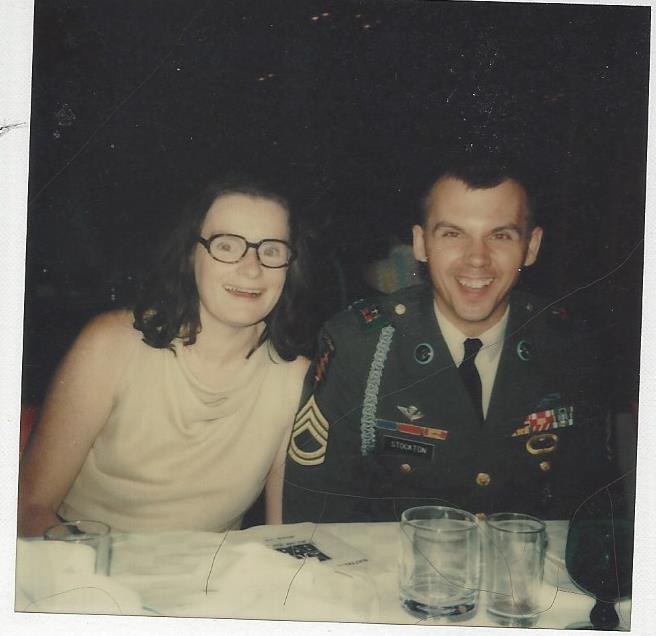
 US Army Cadet Command Headquarters
 US Army Recruiting Command Headquarters
 1st Theater Sustainment Command Headquarters
 US Army Human Resource Command
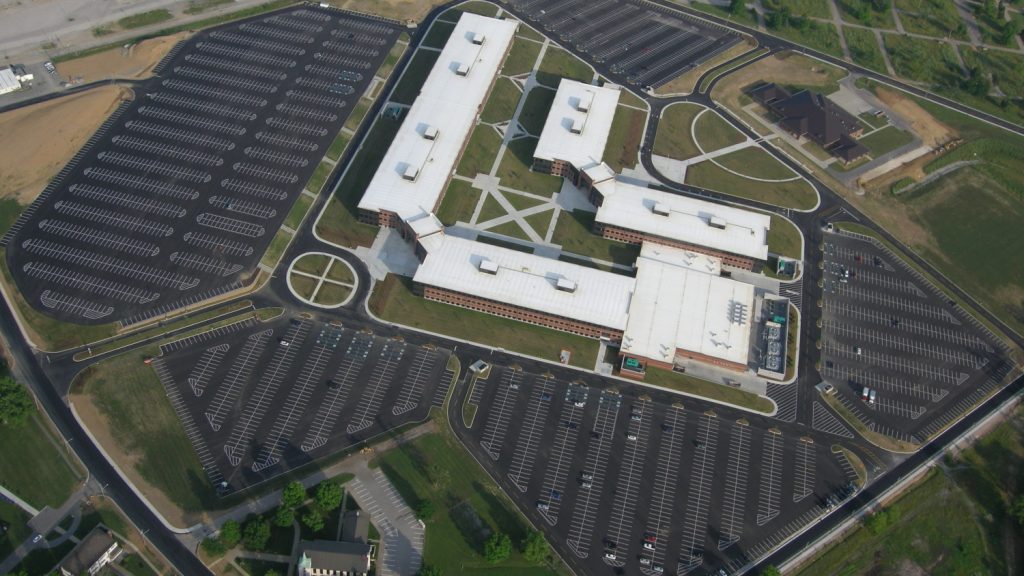 US Army Human Resource Command building

 Fort Knox Lindsay Golf Course
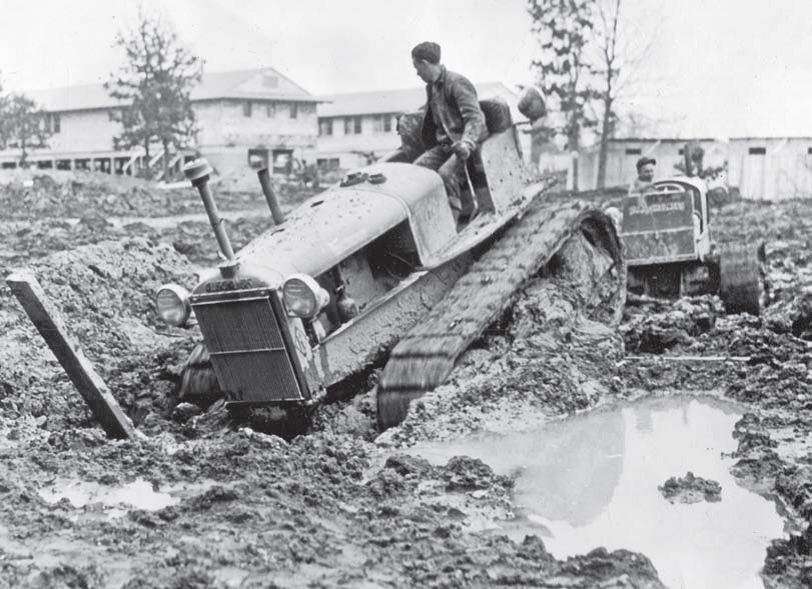


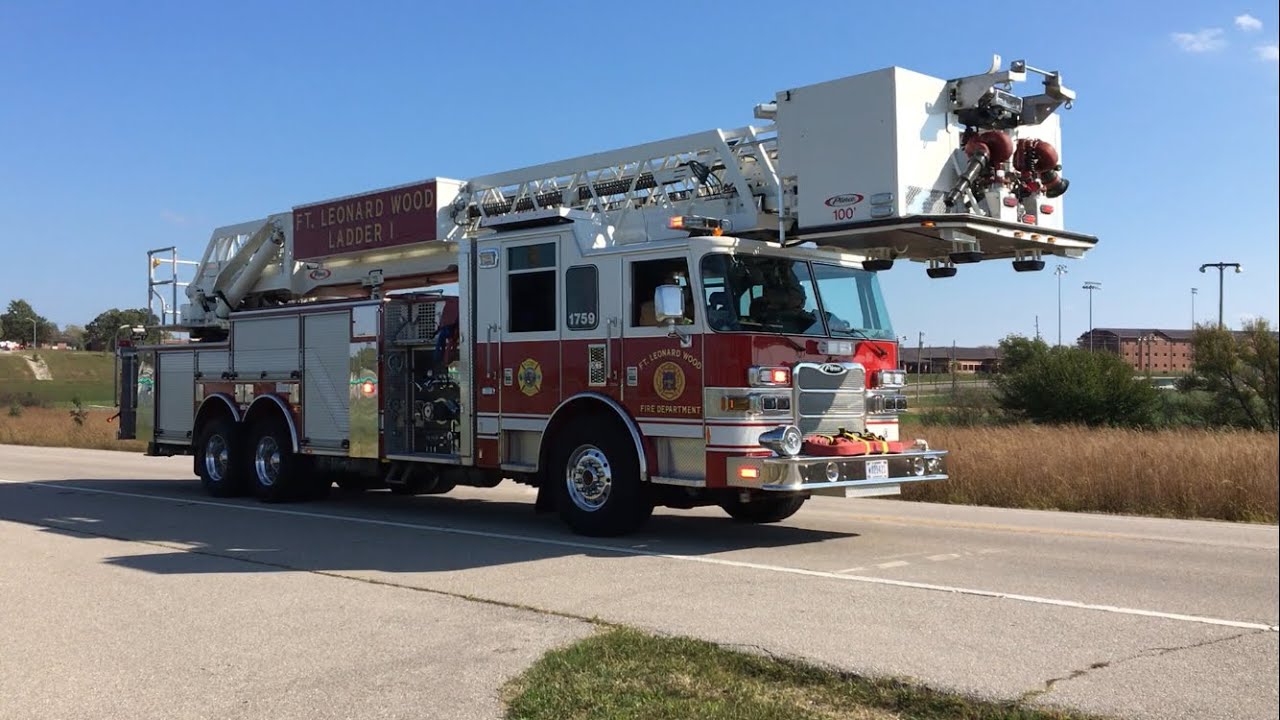

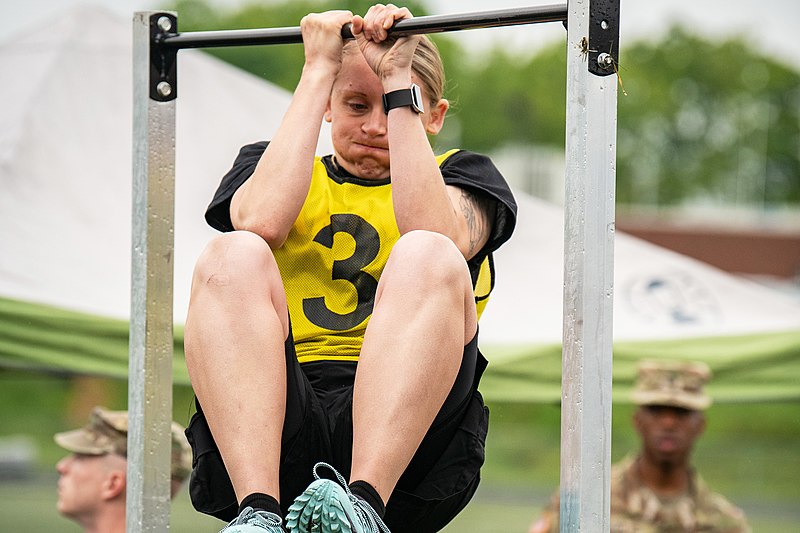

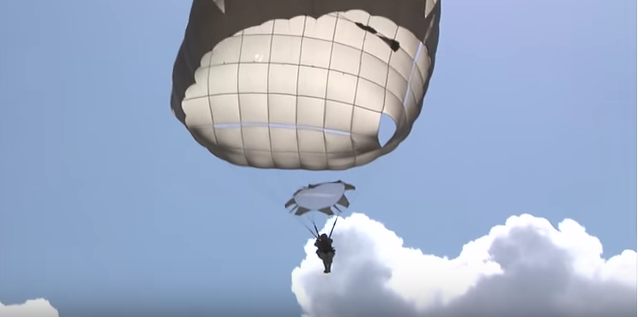
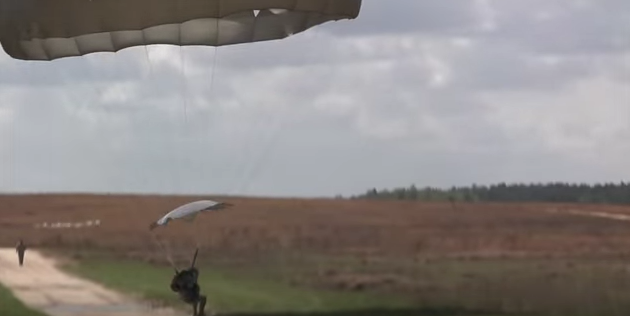
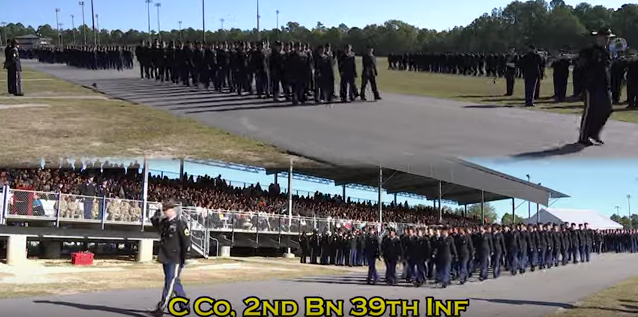
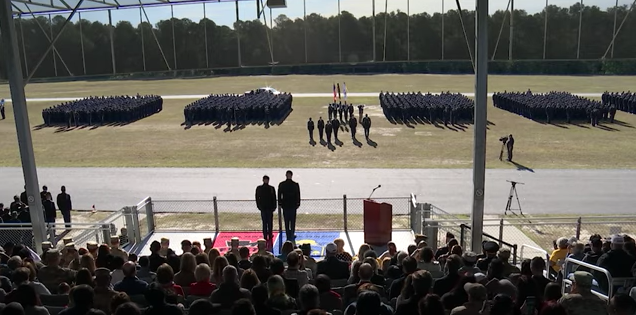


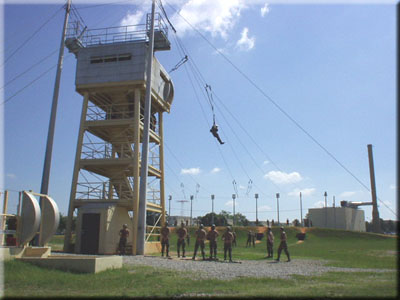
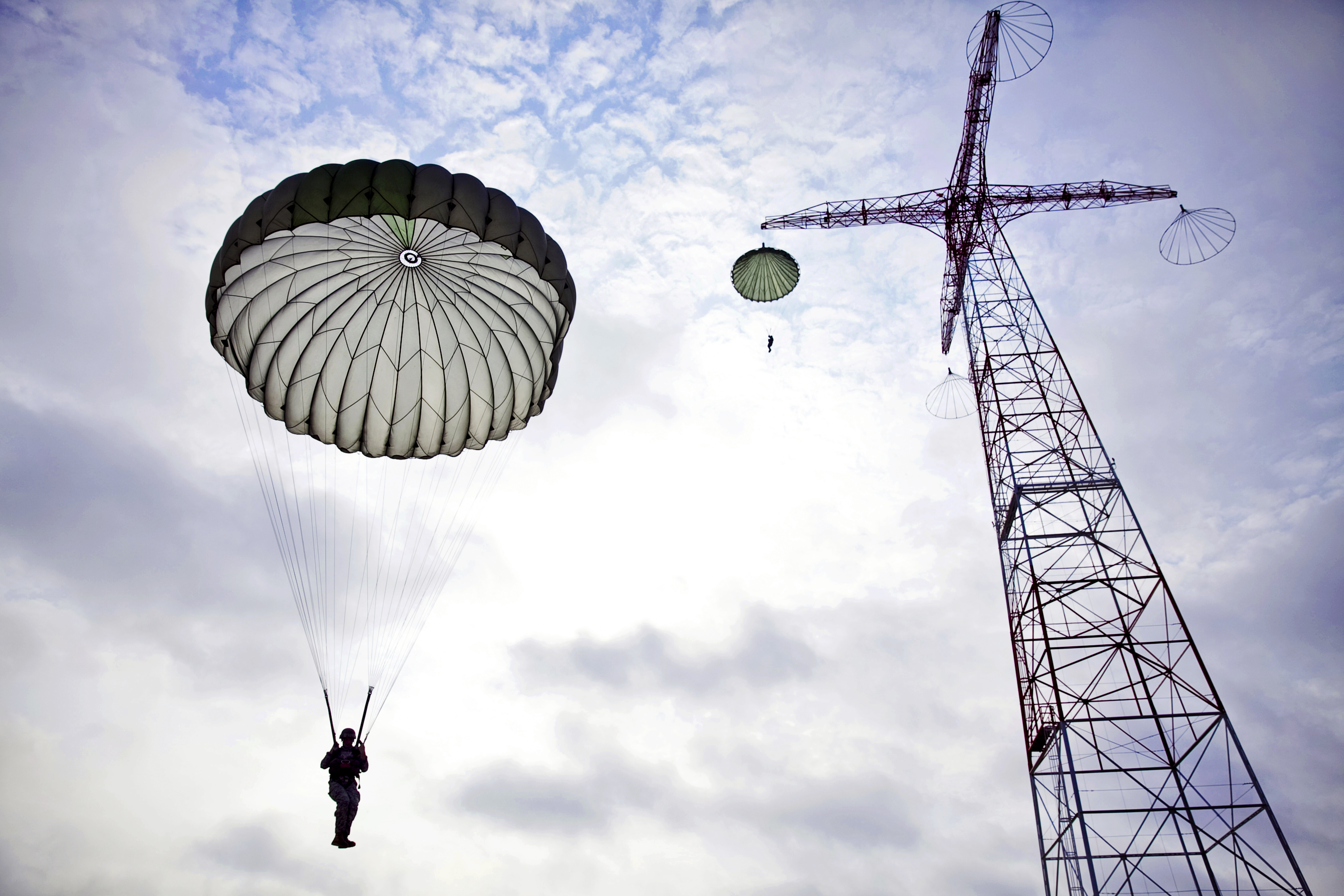
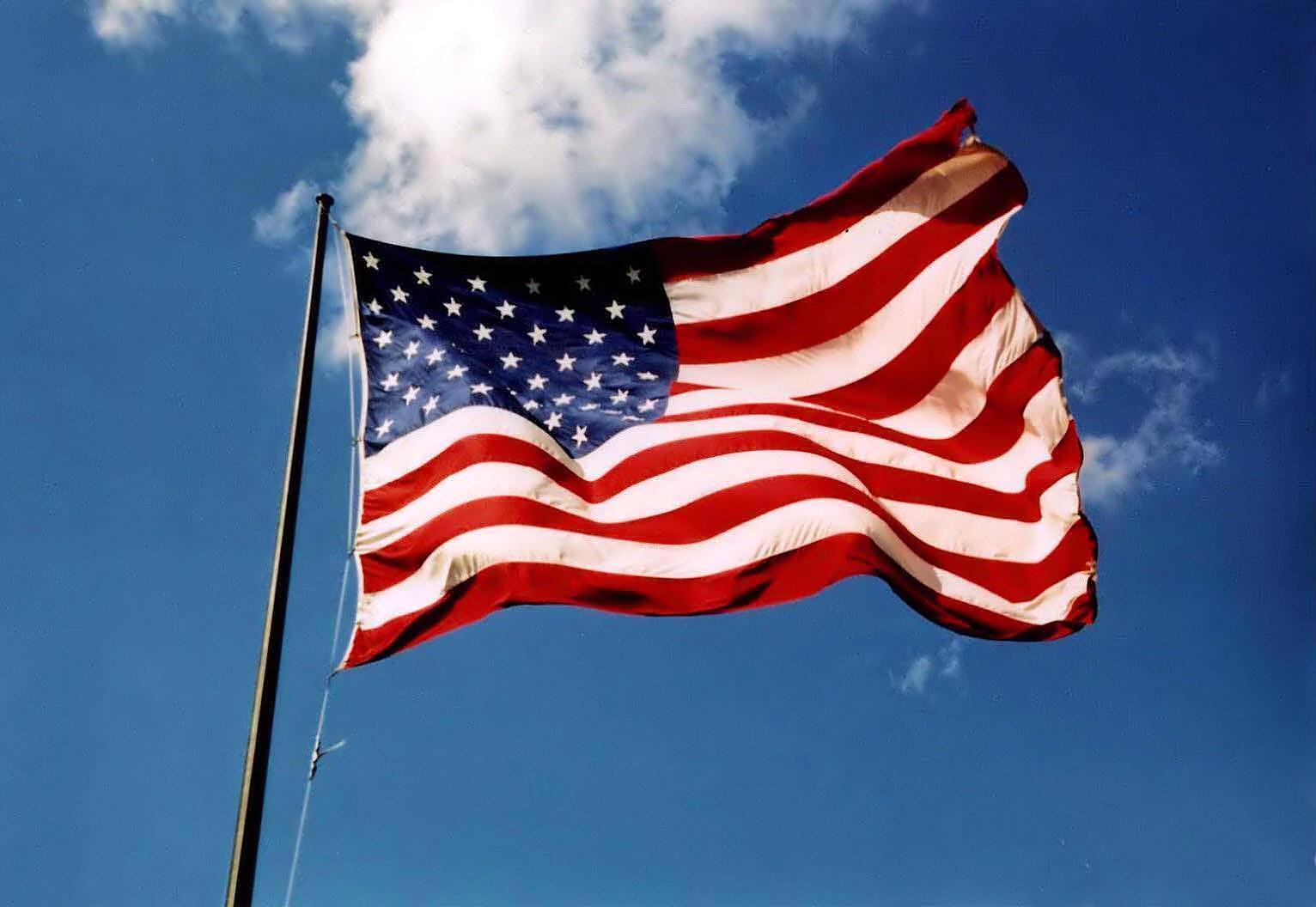
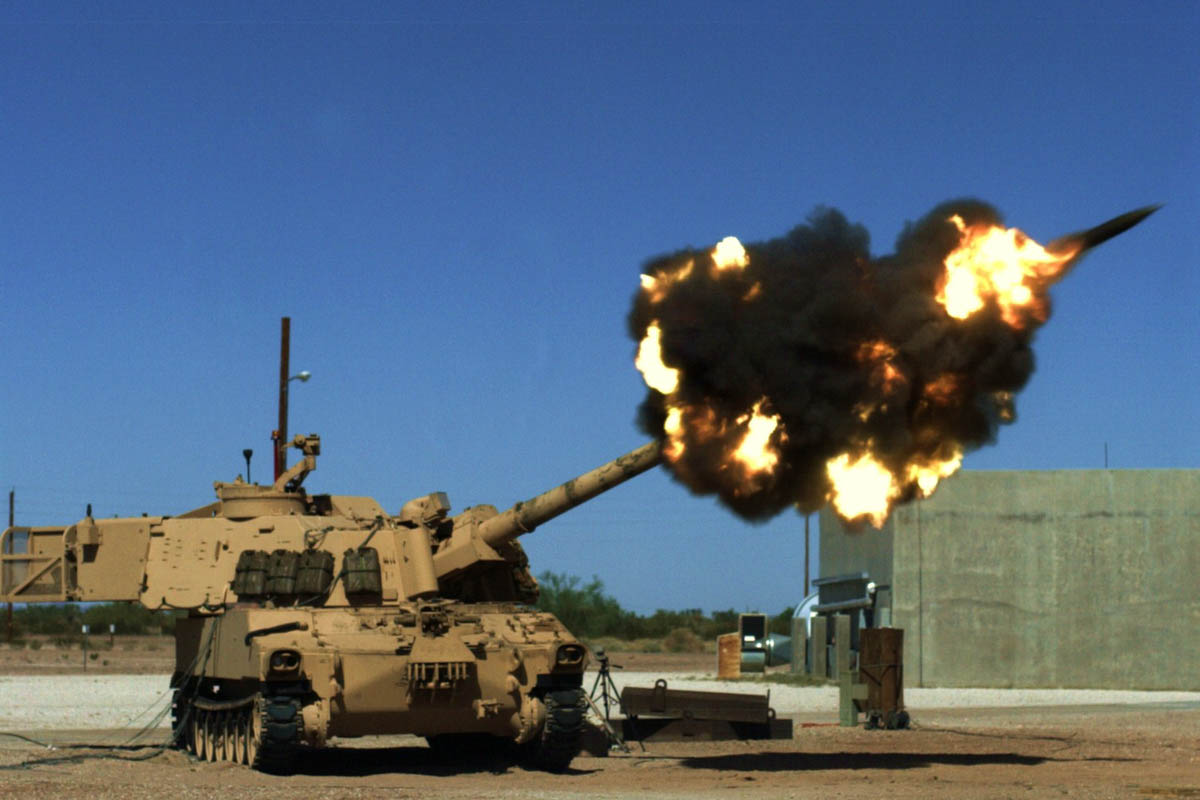
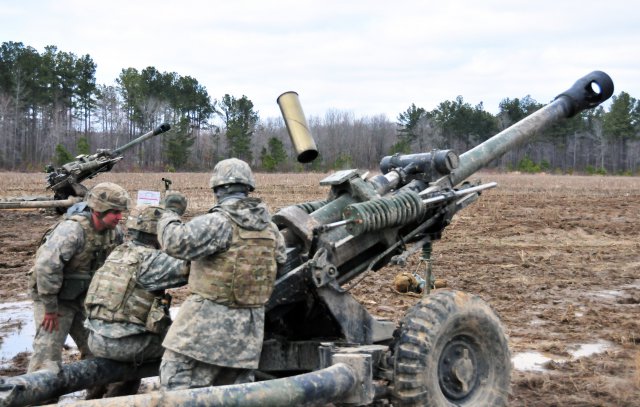
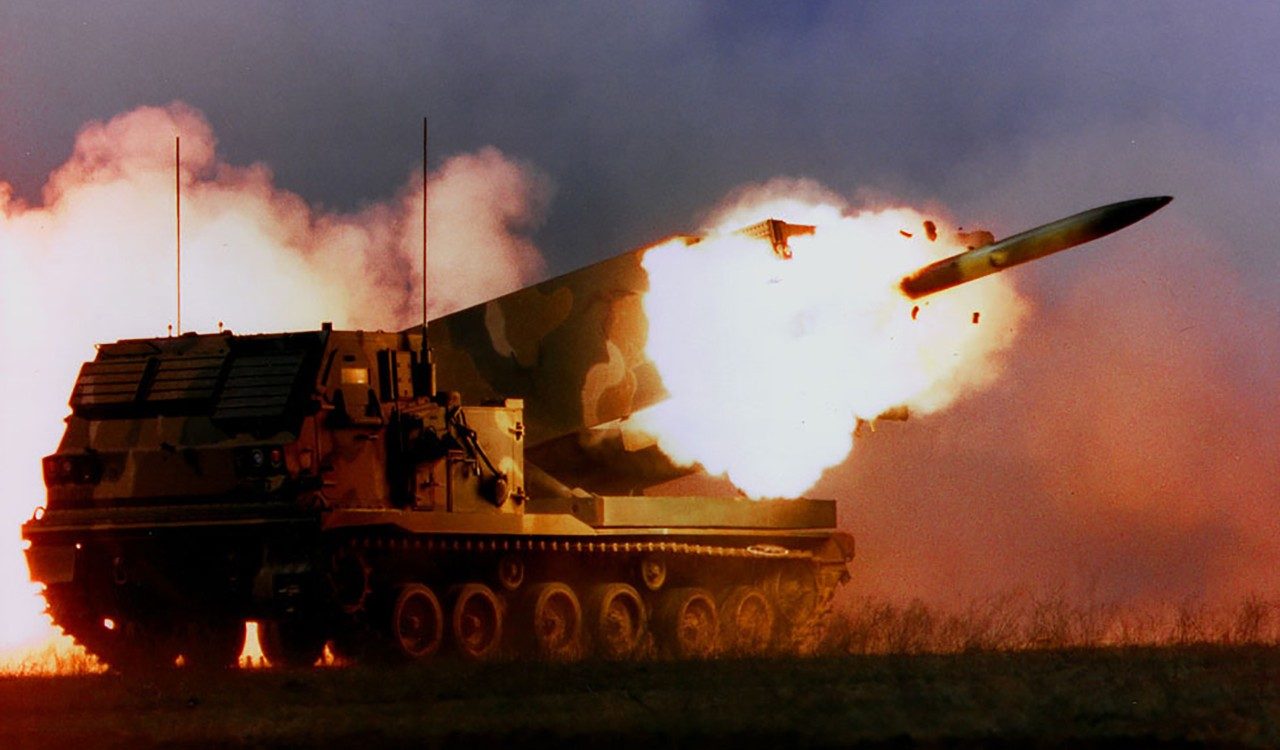
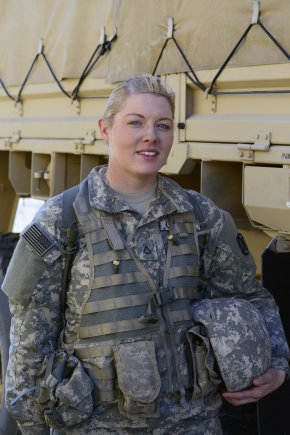
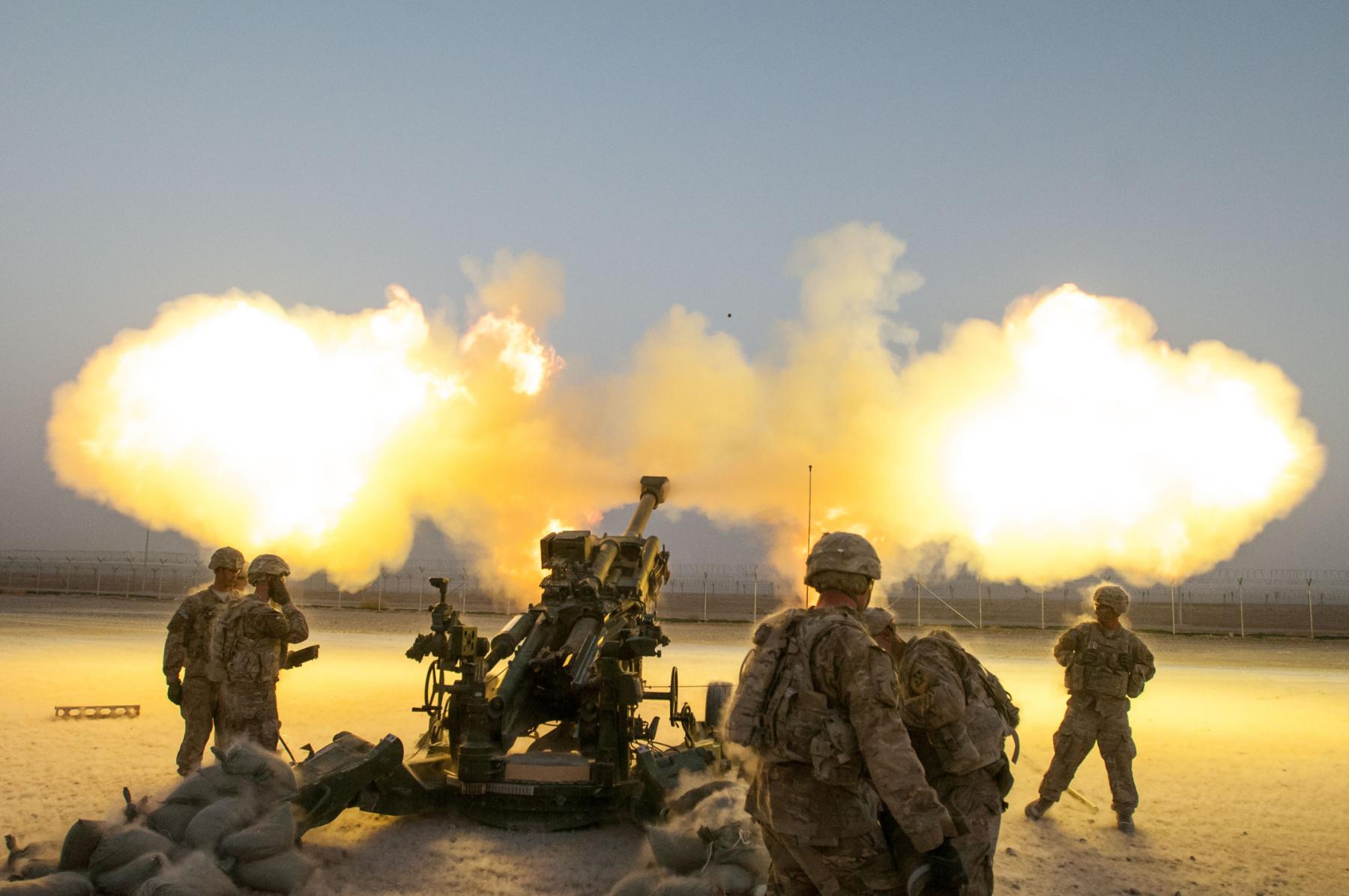

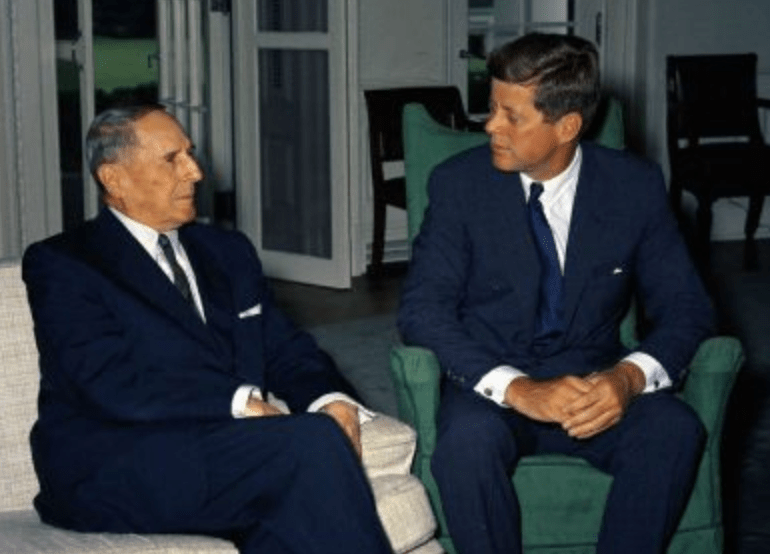


 What Life in the Army is really like.